
Practical ways health care providers can improve care for autistic individuals
By Charlene N. Rivera-Bonet | Waisman Science Writer

Individuals with neurodevelopmental conditions, including children and youth with autism, experience many barriers to accessing healthcare and challenges when interacting with the healthcare environment that may contribute to poorer health outcomes. Implementing care that affirms the dignity and inherent worth of individuals with neurodevelopmental conditions in a clinical setting, which recognizes neurodevelopmental differences as a natural variation of the human experience rather than a condition to be fixed, has the potential to improve healthcare experiences and outcomes for individuals who have neurodevelopmental conditions, including those with autism.
In a special issue article for Pediatric Annals, Helen Rottier, PhD, researcher in the Waisman Center’s University Center for Excellence in Developmental Disabilities (UCEDD), discusses the importance of providing care that affirms the dignity of individuals with neurodevelopmental differences, and delineates practical ways for physicians to implement it in their practice, including how they frame autism to patients and families, and how to make accommodations based on sensory needs or communications styles.
There are many variables that impact the way autistic individuals access or experience healthcare. Autistic individuals report delays in accessing care due to factors like lack of transportation or difficulty affording health care. In addition to this, barriers also result from interactions of the individual with the healthcare environment that negatively affects their care-seeking behaviors, Rottier points out.
For example, autistic individuals may experience sensory overload from bright, loud, and chaotic healthcare spaces. They may require additional processing time to respond or use a communication device, rendering standard appointment times insufficient. Autistic individuals with sensory challenges may also experience anxiety around medical procedures such as blood draws, vaccinations, or blood pressure readings.
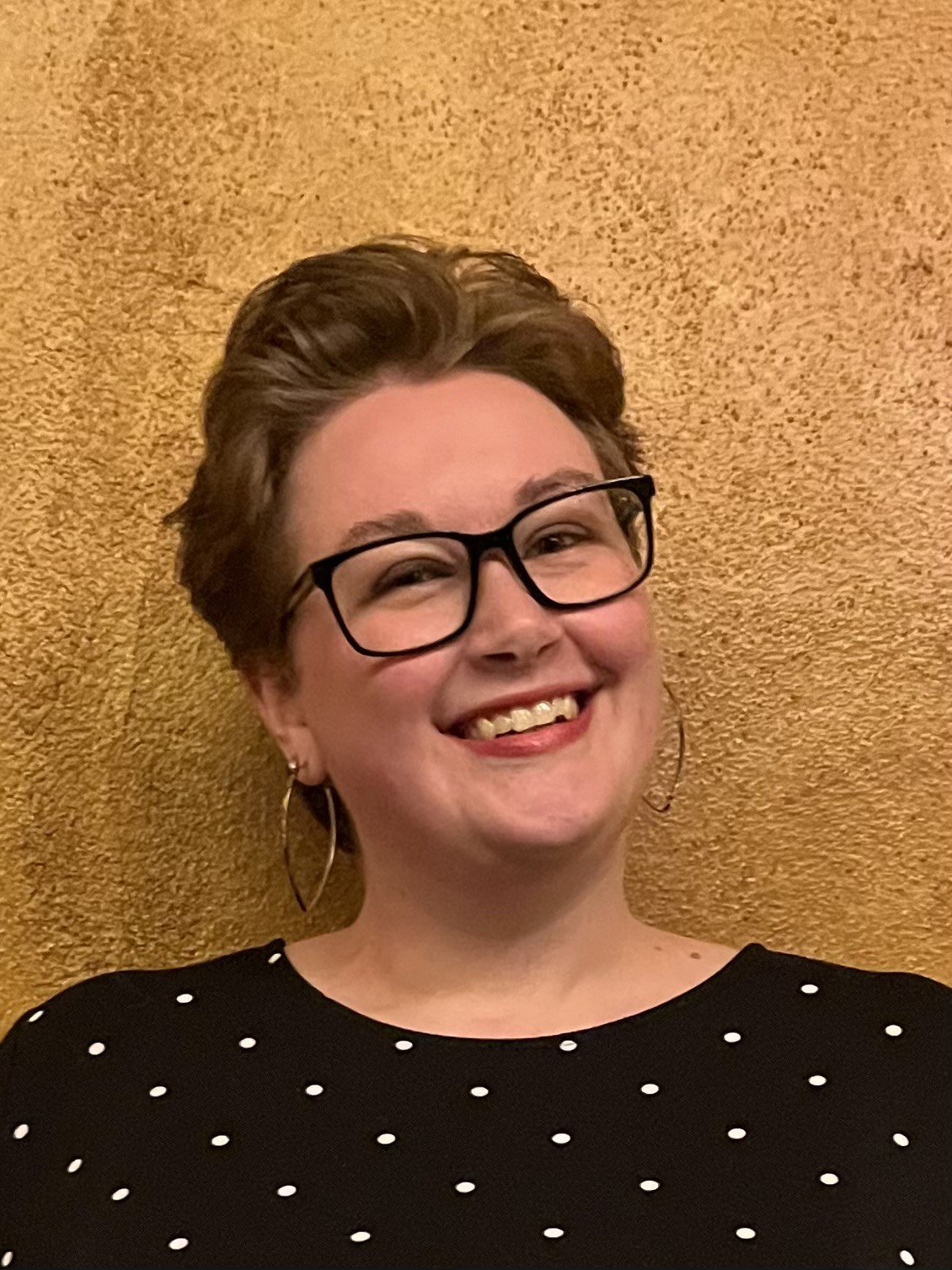
As an autistic adult, Rottier has struggled with some of these herself. “Healthcare is one of the areas where I personally face a lot of barriers to access because, like many autistic people, I have co-occurring medical and dental phobia that impacts how I’m able to access healthcare,” she shares.
Autistic adults also report that healthcare providers often lack knowledge and make incorrect assumptions about autism. For example, if physicians don’t take into consideration autism as part of who the patient is a whole person, physicians may incorrectly interpret nonverbal body language or communication of an autistic patient, Rottier writes.
“Being at the doctor is not usually a good situation, and sometimes it can be a really bad and scary situation,” Rottier says. Individuals may struggle to communicate what they feel, get nervous or overstimulated, or be terrified of specific procedures. “A huge part of what I think good care for individuals with neurodevelopmental differences means, especially in the context of phobia, is being really patient and figuring out creatively what you can do to support the individual patient in their needs,” Rottier explains.
Implementing healthcare practices that affirm the dignity and inherent worth of individuals with neurodevelopmental conditions, Rottier says, can start with small changes that could have a significant impact on the way autistic individuals experience healthcare. “There is so much to be said, especially in the disability space, of small actions with big impact. And by asking a question that makes someone feel more seen in their medical appointment, that has a world of impact, including those later preventative health effects,” she adds.
These practices are at the heart of patient-centered care. “If someone is doing good patient-centered care, they are likely already doing some of the strategies that we recommend in the article,” Rottier explains. “It’s really getting to know your patient, being willing to take some time with them to reflect back how they talk about their life, any symptoms or traits or their disability identity, to really follow their lead on that, and also to see what are the things that they are experiencing in this moment, whether it’s the lights that are too bright or they’re horrified of getting a blood draw. Being able to start to recognize some of those things and offer solutions.”
This may look like using neutral language when talking about an autism diagnosis, using visual tools to explain medical procedures, prioritizing communication preferences including the use of assistive and augmentative communication strategies, allowing for additional processing time, or providing sensory support such as fidgets or headphones to those with higher sensory needs.
Rottier has a sensitivity to needles that results in fainting and nausea when getting shots or blood draws and has led her to develop a phobia of needles. It is a common phobia among autistic individuals. When she was 24 years old, a nurse suggested that she put an ice pack on the back of her neck while she was getting her blood drawn so she wouldn’t feel as bad, which worked. “So much of patient-centered care comes down to the little tips and tricks that we can offer to patients and families to have a less bad time in the doctor’s office,” Rottier says.
Patient-centered care involves viewing neurodevelopmental differences as part of who someone is, as both neutral and complex, rather than a problem. “That when we walk into a care provider’s office, that we aren’t made to feel like our developmental disability is the (only) problem,” Rottier explains.
Physicians go through limited training on how to care for individuals with neurodevelopmental conditions or people with intellectual and developmental disabilities. At the Waisman Center, the LEND Program (Leadership Education in Neurodevelopmental and Related Disabilities) brings together trainees from 15 disciplines – including students and professionals in health, education, and social service fields as well as trainees who are individuals with a disability or family members – to develop the leadership skills to improve systems of care for people with developmental disabilities and their families.
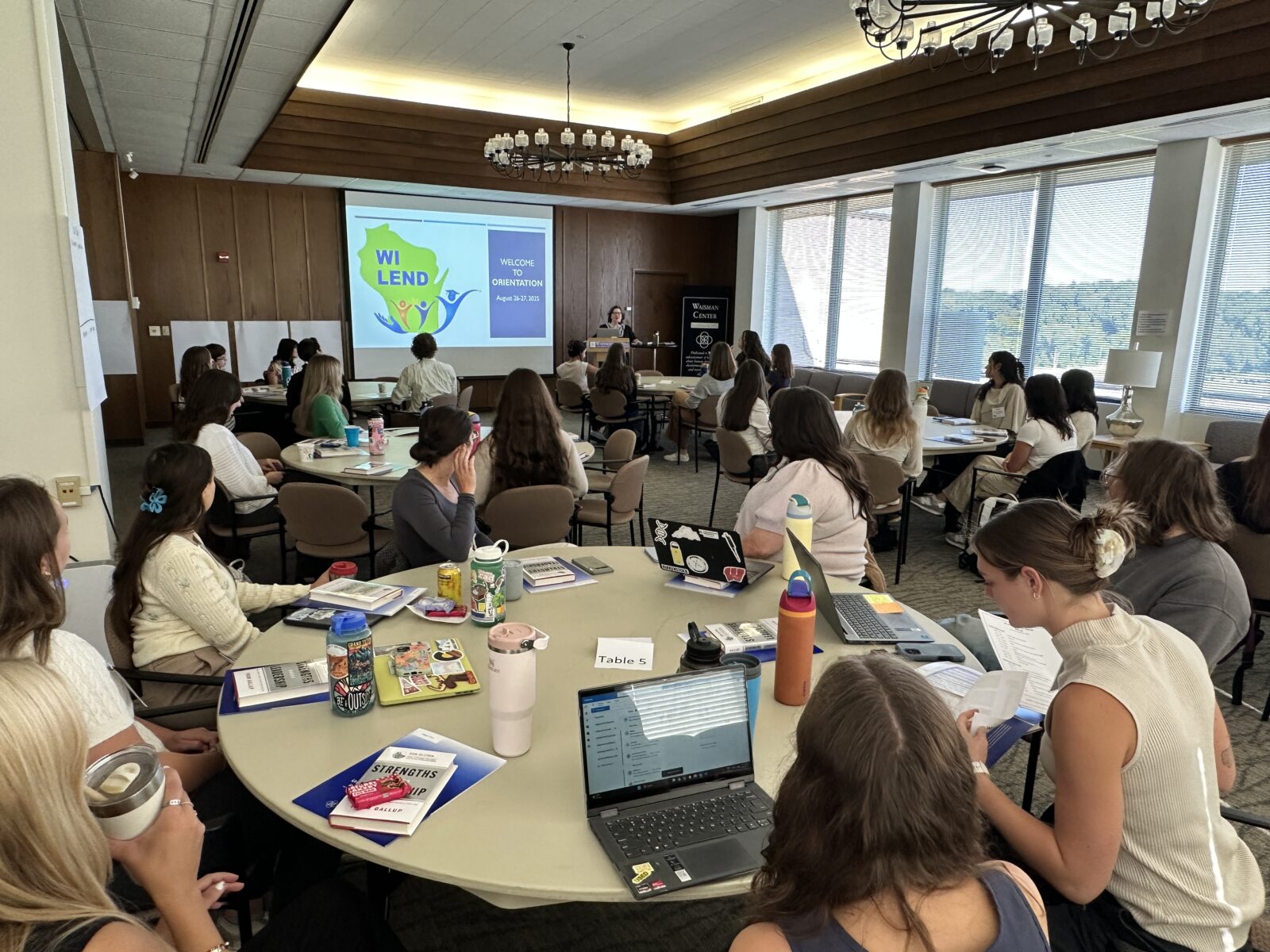
“One of the greatest things about the Wisconsin LEND program is that there’s a lot of focus on lived experience as expertise,” Rottier points out. “We have trainees and staff who are disability advocates, family members, clinicians who are practicing daily how to support these children, young adult, older adults, and families in their clinics, and that we talk about those everyday lived experiences as kind of the source of how we know what to do and how we move forward,” she adds. Rottier was a LEND trainee during her graduate studies at the University of Illinois-Chicago, and is currently a training co-director of Wisconsin LEND.
Kruti Acharya, MD, and Sarah Bauer, MD, who co-authored the special issues article are developmental behavioral pediatricians at the University of Illinois-Chicago. “One of the coolest things about this article is that it represents the impact of collaboration across the AUCD (Association of University Centers on Disabilities) network,” Rottier points out.