
Drug shifts a key hormone after newborn brain injury – but only in females
AT A GLANCE:
- DHF (7,8- dihydroxyflavone) is a drug that offers neuroprotection against the effects of hypoxia-ischemia, or the lack of blood and oxygen flow to the brain at birth, but only in female mice, not males (has previously shown).
- Using ultrasensitive LC-MS/MS, researchers mapped multiple steroids in the newborn hippocampus and found steroid contents ≥10-fold higher than plasma, supporting locally regulated neurosteroid biology.
- After injury, males had higher hippocampal testosterone than females, and DHF lowered hippocampal testosterone only in females, offering a clue to sex-specific neuroprotection.
- DHF also lowered hippocampal corticosterone in both sexes, suggesting additional effects on the brain’s stress-hormone environment.
A blood test alone cannot tell the full story of what’s happening inside a newborn’s brain after a brain injury. New research from the Waisman Center at the University of Wisconsin–Madison suggests that the hippocampus—a brain region critical for learning and memory—maintains its own powerful, locally regulated steroid environment during early development and after brain injury.

The findings provide new insight into why male and female newborns can respond differently to brain injury and treatment, with important implications for developing more effective, sex-specific therapies.
The study, published in Biomolecules, focuses on hypoxia-ischemia, a loss of oxygen delivery and blood flow to the brain around the time of birth that can lead to lifelong neurological disability. Male newborns are often more vulnerable to this type of injury and less responsive to treatment, but the biological reasons for these differences have remained unclear.
Investigators in the lab of Pelin Cengiz, MD, professor of pediatrics, identified a sex-specific hormone signature in the injured newborn hippocampus and show that a TrkB-targeting drug produces a matching sex-dependent effect.
A unique “hormone map” of the newborn hippocampus
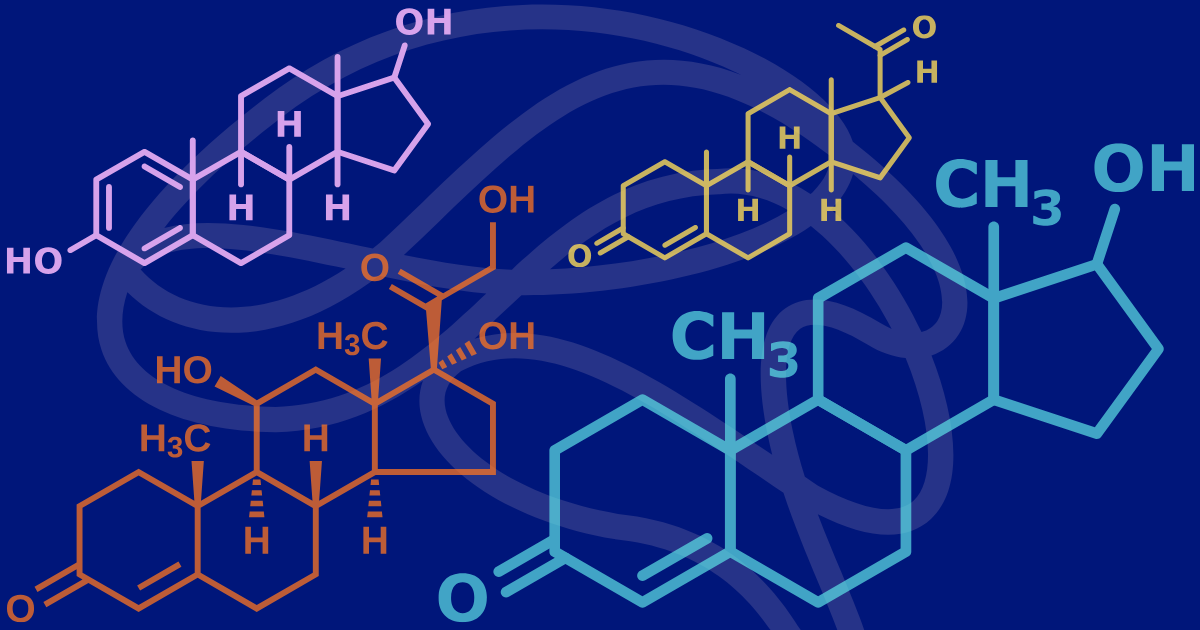
To explore the biological mechanisms behind sex-specific outcomes, the research team measured levels of testosterone, estradiol, progesterone, and corticosterone in both blood plasma and hippocampal tissue using a technique called liquid chromatography tandem mass spectrometry (LC–MS/MS)—a highly sensitive technique that allows precise hormone quantification in collaboration with Wisconsin National Primate Center investigators Drs. Jon Levine and Amita Kapoor.
Across conditions, hippocampal steroid content was higher than plasma, suggesting that the newborn hippocampus maintains a hormone environment that cannot be inferred from blood alone. “This study is the first report of what the hormonal composition in the hippocampus looks like at birth. We’ve actually done a comprehensive panel of the hormones and reported for the first time,” Cengiz says.
Testosterone differences—and a sex-specific drug response
Following hypoxia-ischemia, the researchers observed higher hippocampal testosterone in males compared to females. Previous studies have shown that elevated testosterone levels after hypoxia ischemia, can worsen brain injury.
When treated with DHF, a drug that activates the TrkB receptor, they saw a sex-specific effect. Female, but not male, newborn mice showed a reduction in hippocampal testosterone at an early time point after injury. “This drug may be helping the newborn females by decreasing the testosterone content in the female hippocampus. That may be decreasing the detrimental effects of testosterone,” Cengiz explains.
Stress hormone offers additional insight
The researchers also measured corticosterone, a stress hormone known to influence brain injury and recovery. DHF treatment reduced hippocampal corticosterone levels in both females and males, suggesting it may act on multiple hormone-related pathways following injury.
Why it matters and next steps
There is a need for clinical treatments that protect the developing brain after hypoxia-ischemia and support long-term neurodevelopment. Understanding why therapies work differently in males and females is essential for designing more effective interventions. “In the clinic, we need treatments that last long-term resulting in sustained neurodevelopmental improvement. That’s why this drug is very promising and has a high potential for sex-specific neuroprotection,” Cengiz says.
The research team will next determine whether the reduction in testosterone is directly dependent on TrkB signaling or reflects an additional drug-specific effect. The long-term goal is to use these mechanistic insights to improve therapeutic response particularly in male newborns who are often more vulnerable to injury and less responsive to current treatment.
Funding and support
This work was supported by UW and NIH sources, including R01NS111021 and the NIH Waisman Core Grant IDDRC P50HD105353 (among others).