
2025 News
-

In memoriam, Paul Rathouz, former Waisman executive team member and collaborator
Paul Rathouz, PhD, former Chair of the Department of Biostatistics and Medical Informatics, passed away from complications of multiple myeloma on Wednesday afternoon, December 10, 2025. Paul served with distinction as the…
-
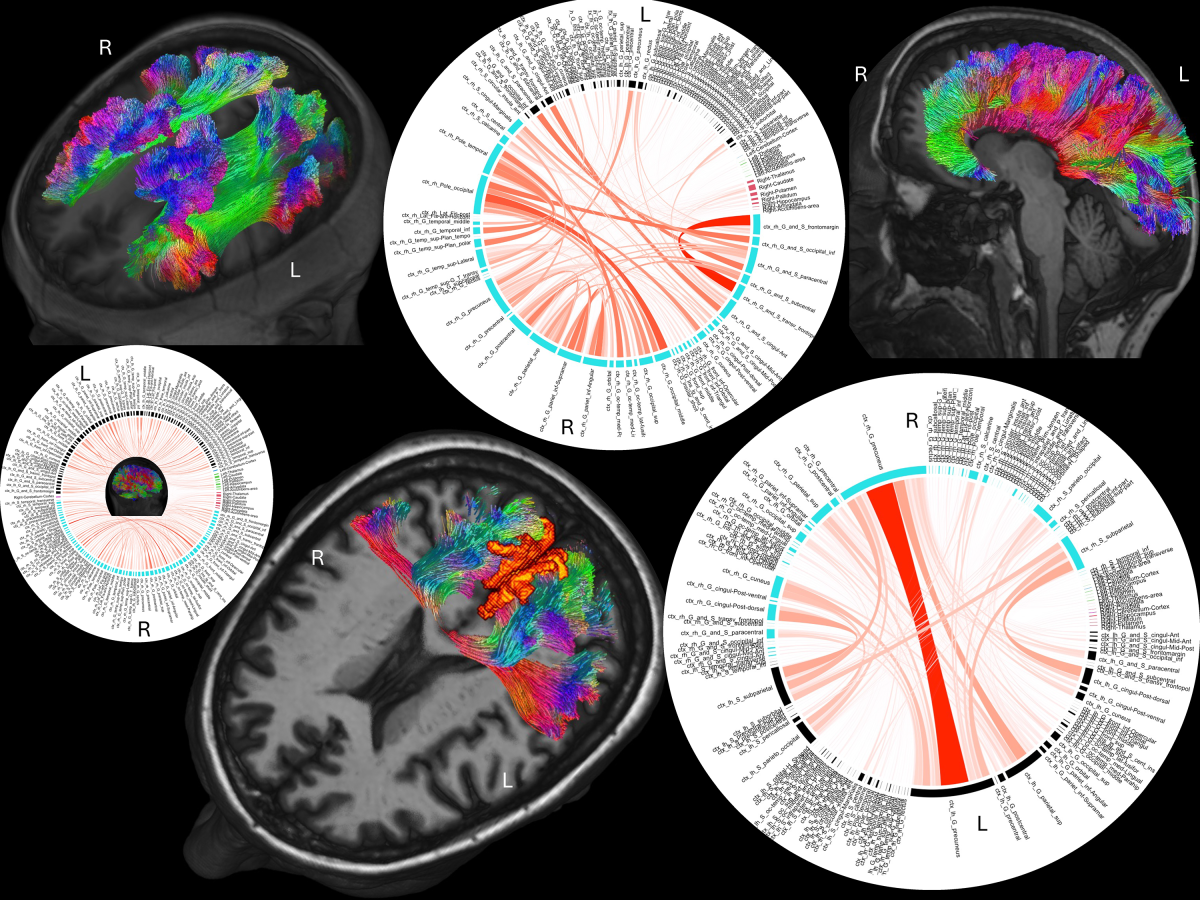
How advanced MRI paired with neuropsychological testing shed light on how Temple Grandin’s brain processes the world
Temple Grandin, PhD, is likely the most well-known living autistic individual, both nationally and internationally.
-

The Baby Badger Network seeks to make genetic testing more accessible to critically-ill newborns throughout Wisconsin
In Wisconsin, a new initiative is transforming the landscape of neonatal care by making genetic testing more accessible for critically-ill newborns.
-

Waisman Early Childhood Program’s longest serving teacher retires
The Waisman Early Childhood Program’s (WECP) longest serving teacher, Lisa Marie Carilli-McCord, officially retired at the end of October.
-
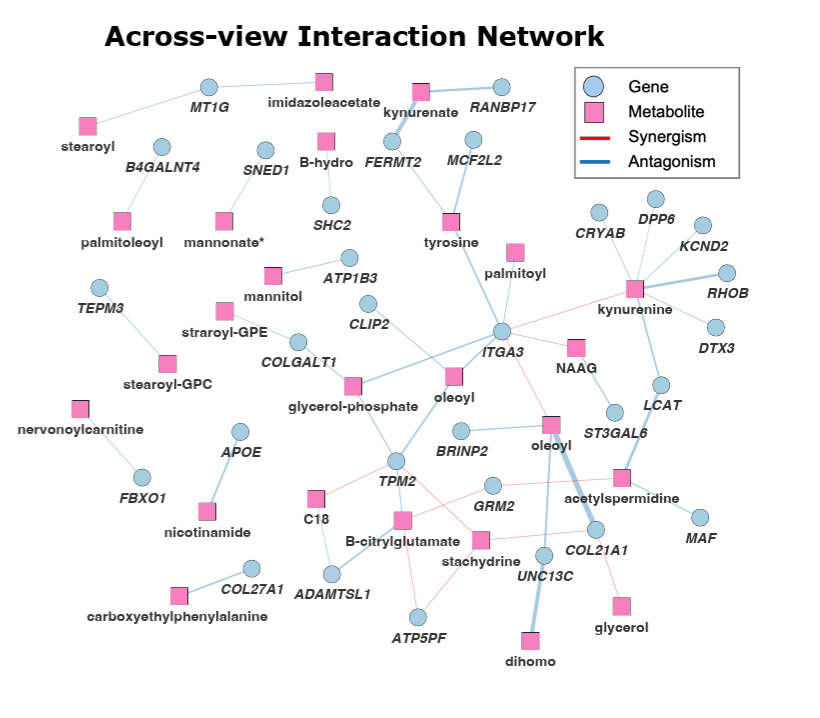
New algorithm helps decipher complex biological data to advance neurodevelopmental research
A new machine learning algorithm developed at UW–Madison is helping researchers untangle a complex puzzle: the molecular mechanisms behind developmental disabilities and neurodegenerative diseases. COSIME, created by the lab of Waisman investigator…
-
New research reinforces the link between a cellular quality control system and rare forms of autism
Just like a car factory relies on inspectors to ensure that every vehicle is built correctly, cells depend on internal quality control systems to keep proteins functioning as they should. New research…
-

A tribute to Paul White: Champion of community, compassion, and change
Paul White, MA, founder of Community TIES and former director of the Waisman Center’s Community Outreach Wisconsin program, passed away unexpectedly on June 17, 2025.
-
New research suggests mixing languages during study session might be a more effective learning method
A new paper from the lab of Waisman investigator Margarita Kaushanskaya, PhD, professor of communication sciences and disorders at UW–Madison, provides evidence that suggests when trying to learn two languages, studying them…
-
Lily Wagner on researching, diagnosing and treating autism
Waisman Center Autism and Developmental Disabilities Clinic Director Lily Wagner considers the Trump administration’s warnings about acetaminophen and approval of leucovorin as a treatment for autism. By Frederica Freyberg | Here &…
-
Wisconsin researcher responds to White House autism announcement
Since that press conference on Monday afternoon, numerous medical organizations have pushed back, saying acetaminophen is safe for pregnant women to use
-

As Trump warns of danger with acetaminophen, autism community calls for support, not cure
Natalie Eilbert Milwaukee Journal Sentinel At 40, Erin Miller takes solace in the ordinary joys of life. She goes on nature walks, watches the seasonal butterflies, enjoys a good bowl of ice…
-
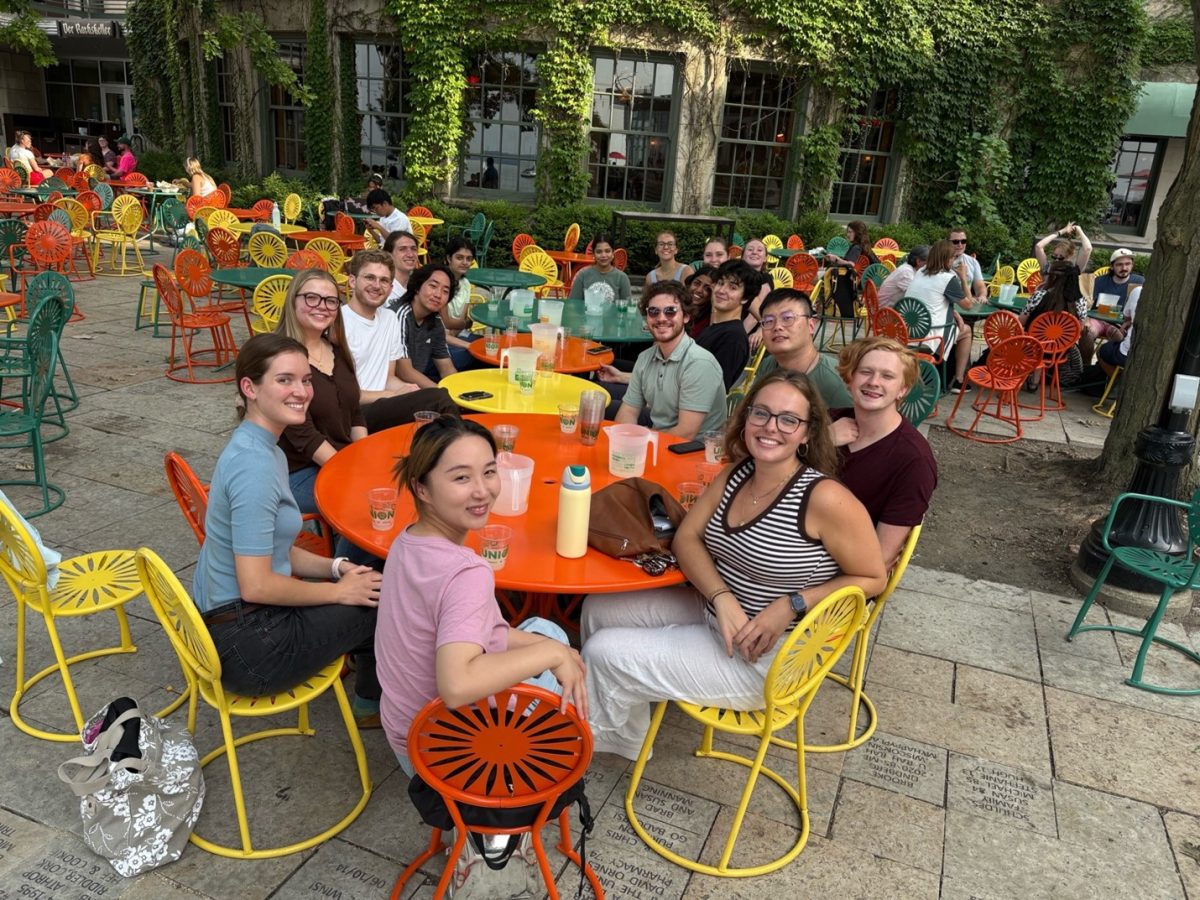
Undergraduate student research experience is an integral part of the Zhao lab
By Anoushka Kar The Zhao lab at the University of Wisconsin–Madison is an exciting and dedicated research entity in neuroscience which focuses on brain development and developmental disorders. It offers opportunities to…
-
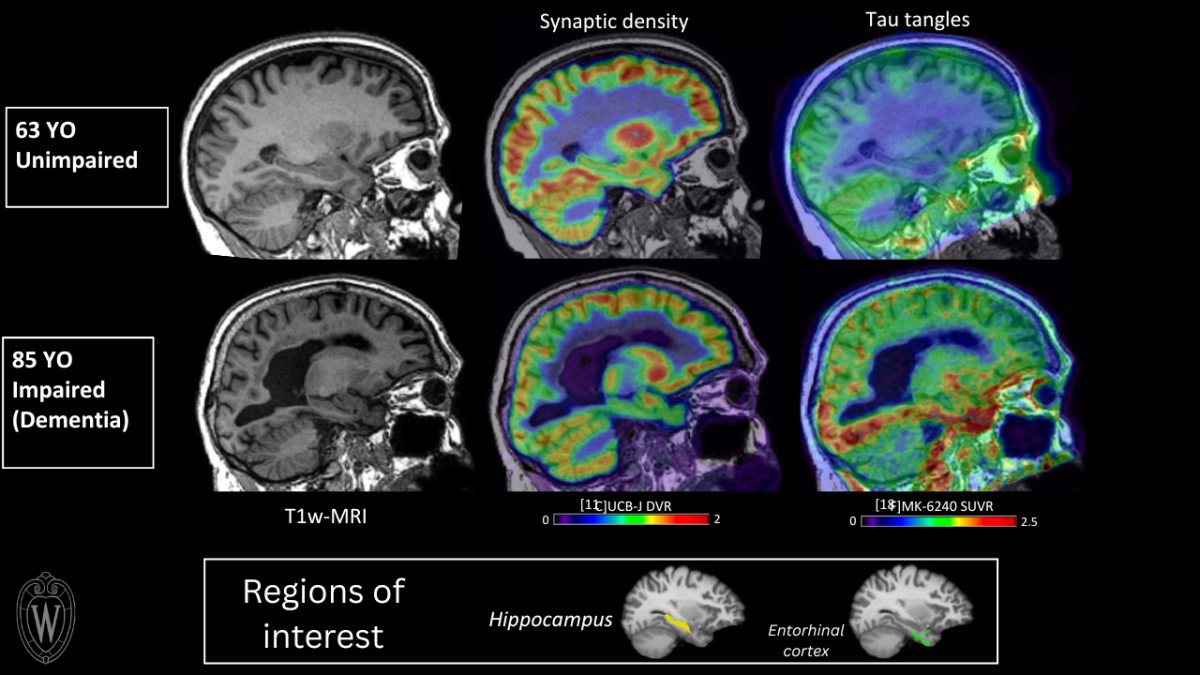
New study shows nuanced and complex relationship between tau and brain cell loss in Alzheimer’s Disease
[uw-reusable-content id=’29797′] At a Glance Loss of synapses, the connections between neurons that allow them to communicate, is a primary driver of cognitive decline in Alzheimer’s disease. Researchers expected a strong connection…
-
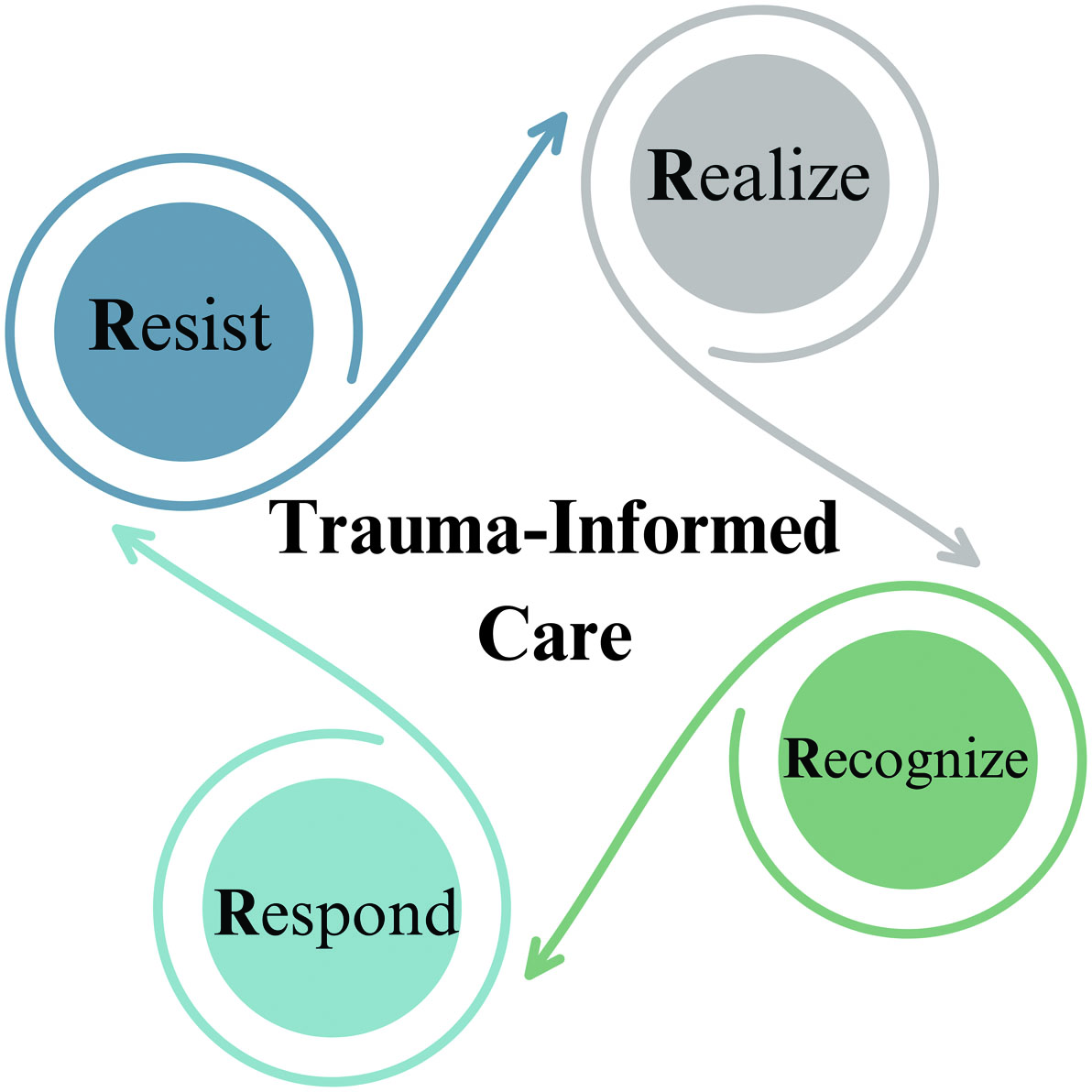
Integrating trauma awareness into early language support
Learning language in early childhood occurs through interaction between children and their caregivers. It is a foundational process that allows children to participate in social interactions, learn from the world, and develop…
-
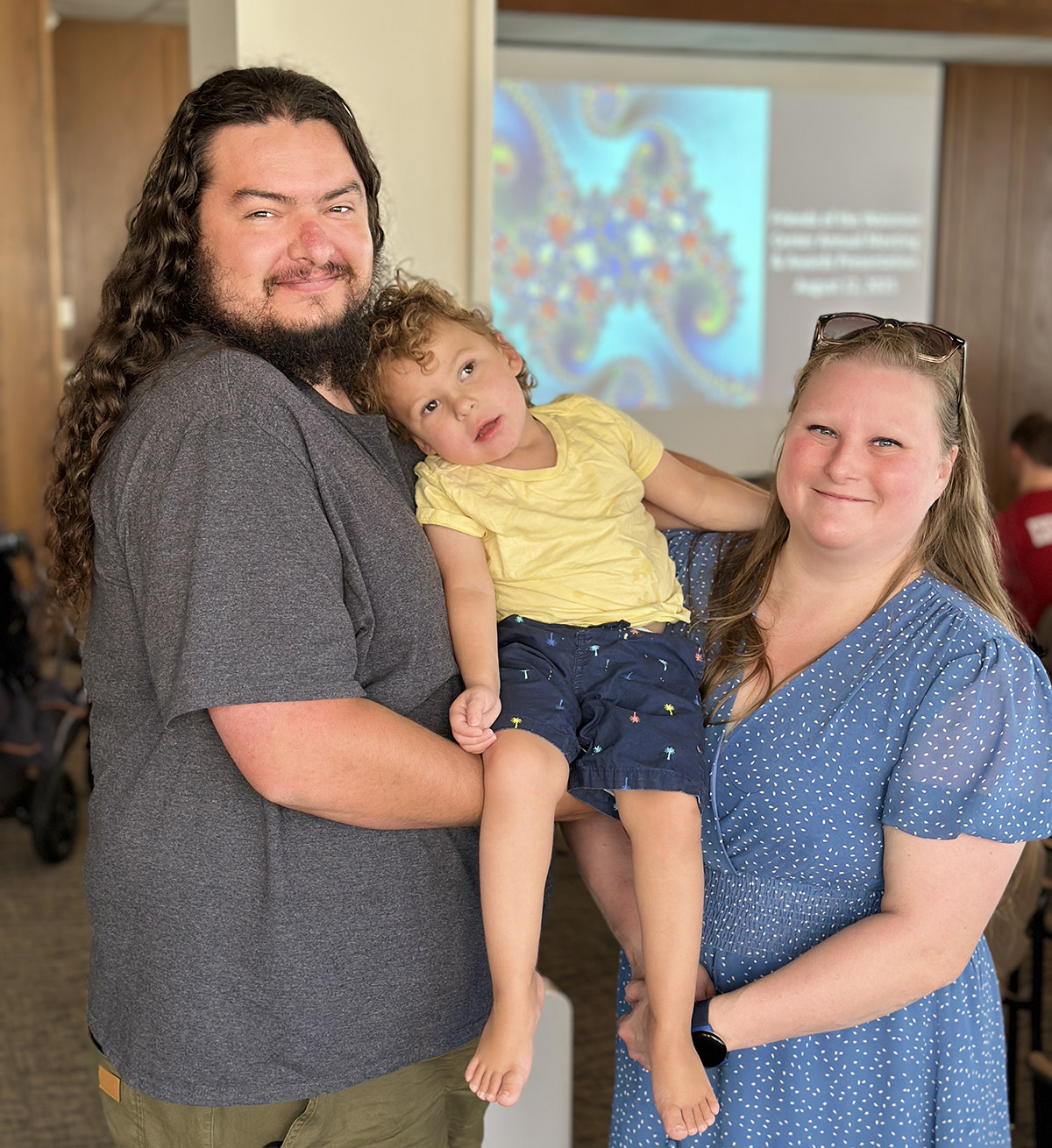
Friends of the Waisman Center annual awards 2025
The Friends of the Waisman Center present awards each year to Waisman students, staff, and and family volunteers.
-

As new fiscal year looms, Wisconsin disability rights groups brace for major funding cuts
By Natalie Eilbert The Milwaukee Journal Sentinel Key Points As a librarian shelver at Cudahy Family Library, Erin Miller works hard to promote activities that people with disabilities can enjoy. She invites them…
-
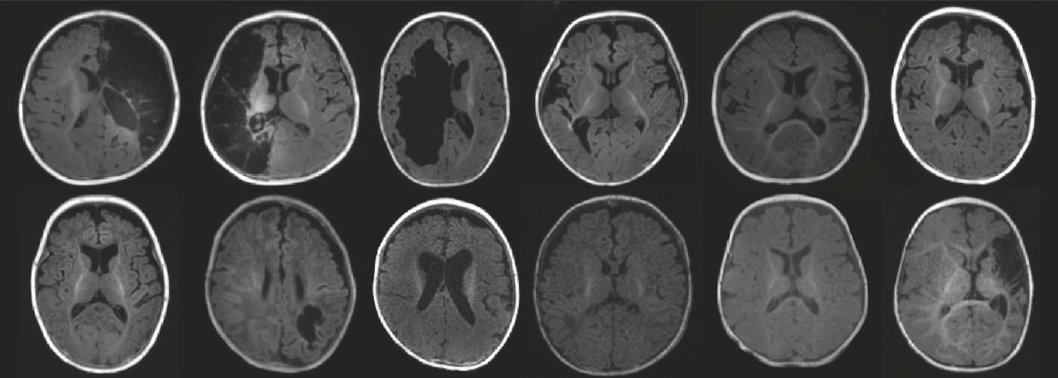
Atypical infant movements tied to cerebral palsy may signal differences in brain connectivity
Brain connectivity differences linked to atypical infant movements may aid the early prediction of cerebral palsy development after a perinatal brain injury, a new Waisman Center study shows.
-
Supporting individual strengths and needs: New study finds that parenting beliefs are a more effective indicator of strong early language skills in children than socioeconomic status
Research has shown that children with strong early language skills are less likely to have long-term adverse academic, social, and health outcomes.
-
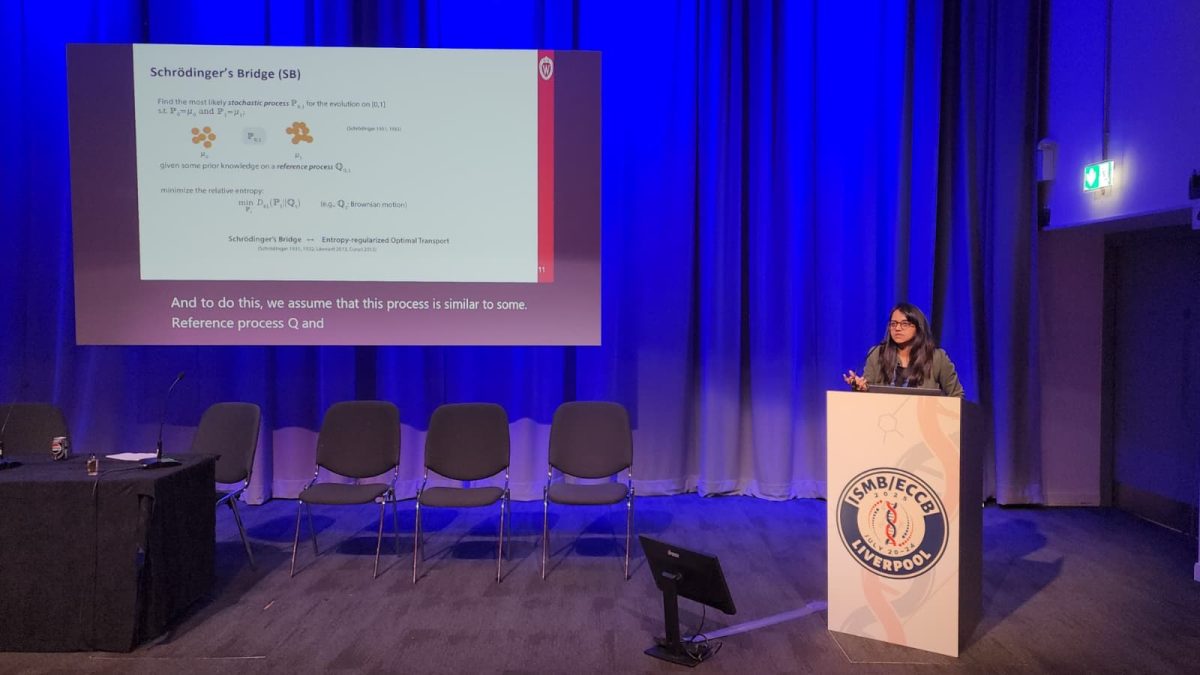
Meet ARTEMIS: The new AI helping researchers reconstruct the hidden stories of cell development
Building a complete developmental trajectory of cells is close to impossible with today’s technology, but new technology developed at the Waisman Center is taking scientists a step closer to achieving it. Machine…
-

Waisman Center investigators receive Kellett Award and Romnes Fellowship
Congratulations to Waisman investigator Daifeng Wang and affiliate Anjon Audhya for being honored with the H.I. Romnes Fellowships, and the Kellett Mid-Career Awards, respectively.
-
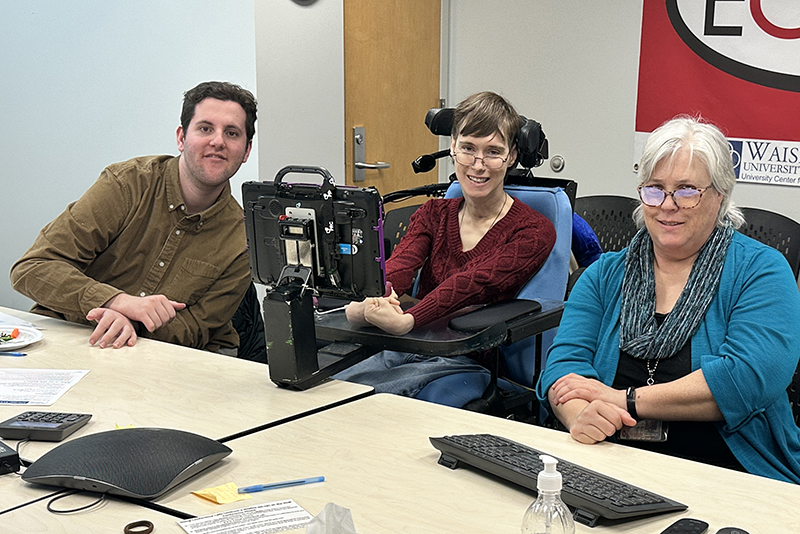
Wisconsin LEND trainees visit state legislators to share their personal stories and educate about the impact of Medicaid on Wisconsinites with disabilities
The Wisconsin LEND Program prepares individuals with disabilities to engage in policy discussions, giving them the tools and confidence to make their voices heard.
-

Clinical psychologist explains how ADHD drugs work, addresses unscientific harm concerns
“The evidence is quite clear that the medications that are currently FDA-approved and prescribed to treat ADHD in particular are fairly well tolerated.
-
Health trajectory of mothers of children with developmental disabilities shows a ‘wear-and-tear’ effect starting around age 65
Mothers of children with developmental disabilities experience long-term stress, adapting for many years but showing signs of ‘wear-and-tear’ starting around age 65, affecting their physical and mental health.
-

Spring showers bring May flowers… and food! Waisman dietitians host classes on low-protein cooking and gardening for individuals with PKU.
The team of dietitians from the Waisman Center’s Biochemical Genetics Clinic hosted a morning event with a cooking and container gardening class for individuals with PKU and their families.
-
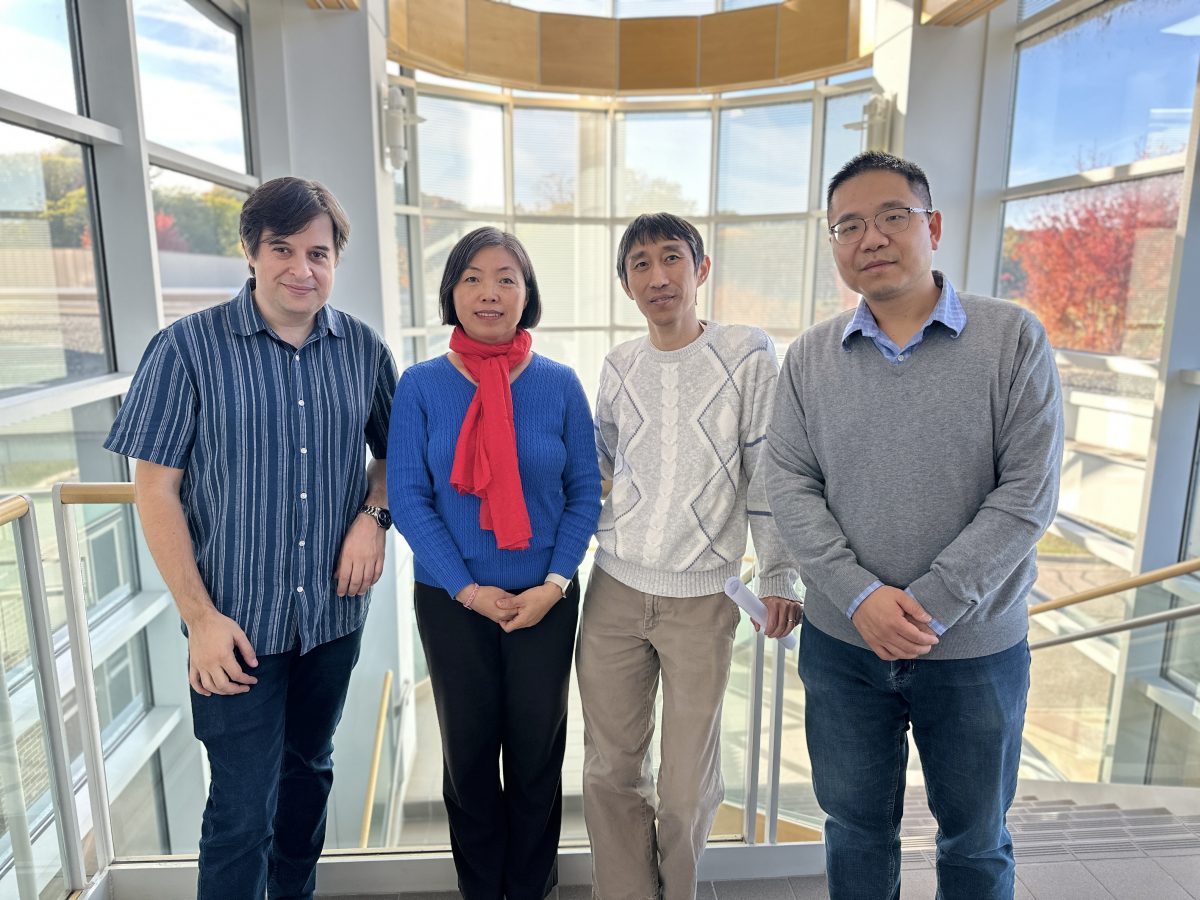
Genetic blueprint behind early brain development uncovered by team of Waisman investigators
Early neuronal maturation is not well understood. A new study at Waisman was able to map the gene and regulatory networks driving early neuronal maturation for the first time.
-
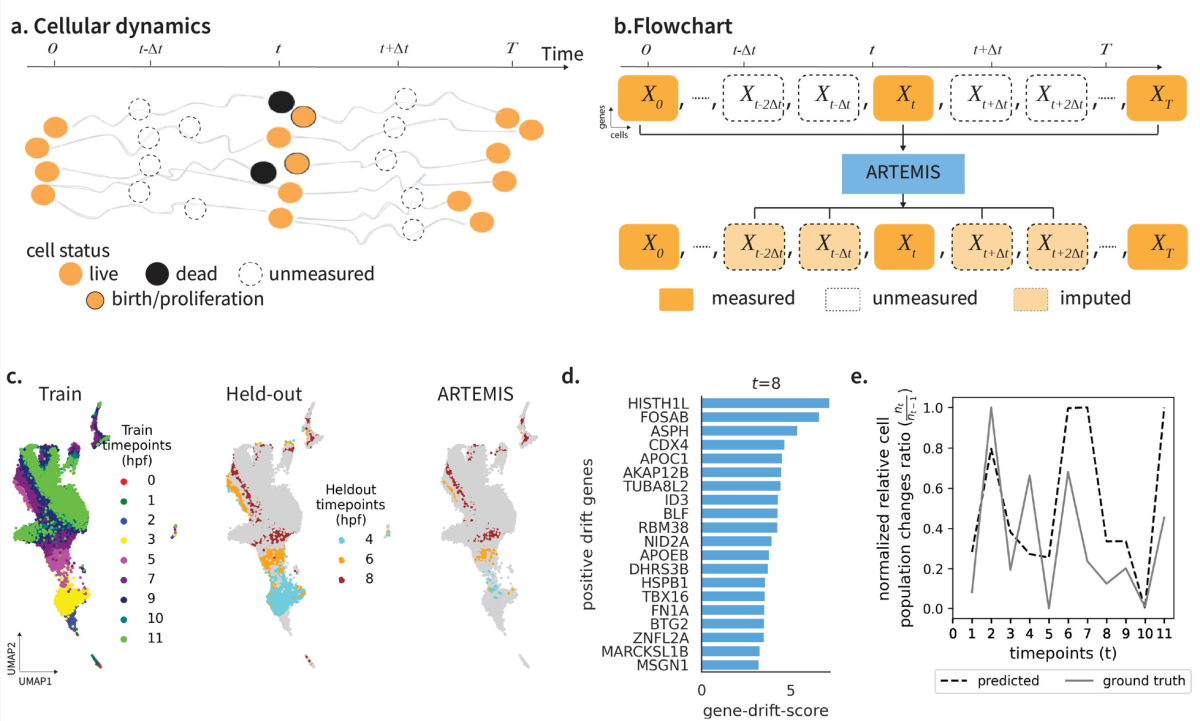
Daifeng Wang, PhD – Slide of the Week
Cellular processes like development, differentiation, and disease progression are highly complex and dynamic (e.g., gene expression).
-
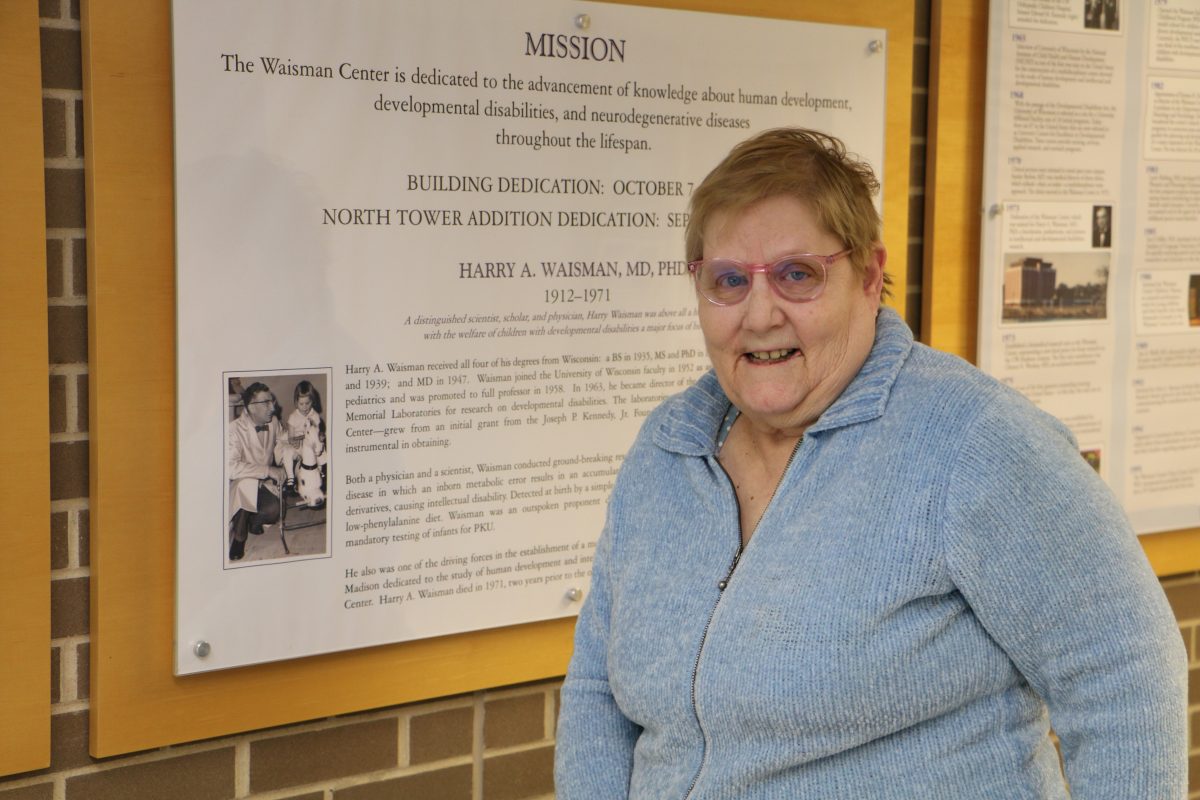
Kay Emerson and Harry Waisman, two pioneers in PKU
Kay Emerson was the first person in Wisconsin and one of the first in the United States to be successfully treated for phenylketonuria (PKU), a condition in which the body fails to…
-
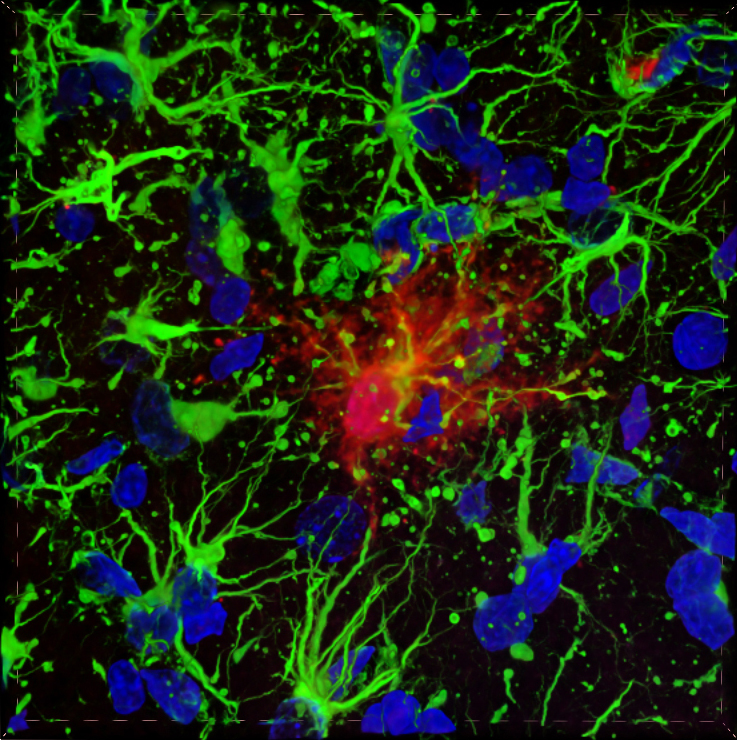
New research reveals parallels between Alexander disease and other neurodegenerative conditions like Alzheimer’s disease
New research from Waisman investigator, Tracy Hagemann, PhD, associate research professor, delves into the cognitive impairments and associated molecular changes caused by Alexander disease (AxD), revealing similarities to other neurodegenerative diseases like…
-

When worlds collide: autism & ADHD
– “It seems like there has to be some type of biological aspect to this that we can hope to better understand through this project. Then we can better conceptualize what is…
-

New study reveals motor delays as possible key early indicator for autism diagnosis
A new large-scale, population-based study reveals that motor delays may be a common yet under-recognized symptom in autistic children.
-
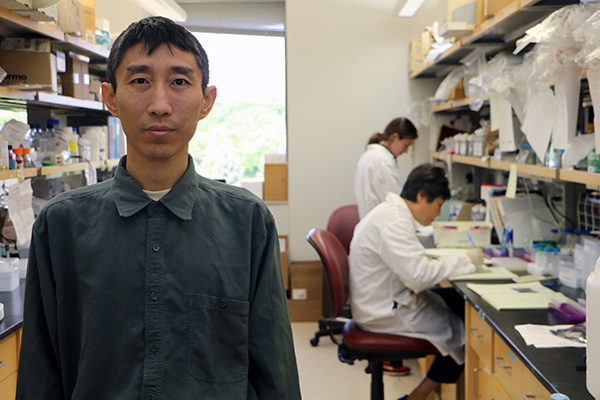
Newly funded research to study astrocyte dysfunction in Rett syndrome
The lab of Waisman Center director, Qiang Chang, PhD, professor of medical genetics and neurology, has received $1 million in funding from the Department of Defense to study the dysfunction of astrocytes,…
-
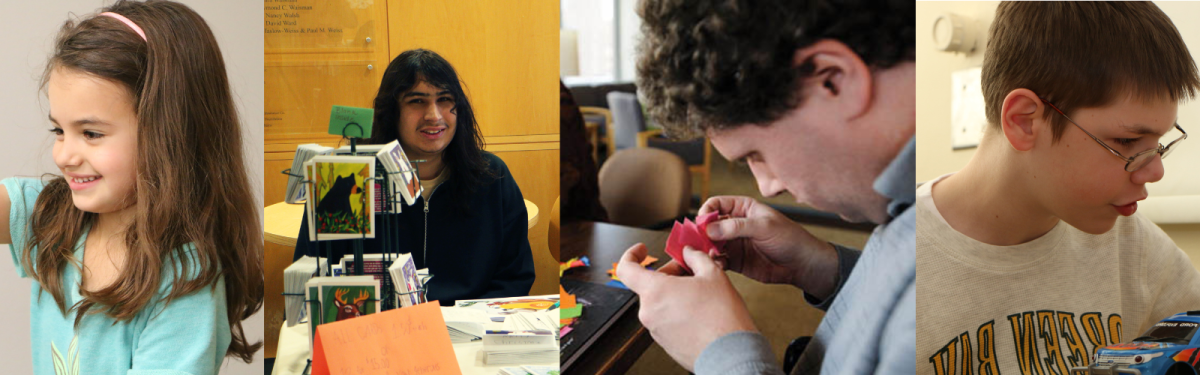
CDC reports rising autism rates with Wisconsin notably higher than the national average
The prevalence of autism spectrum disorder among 8-year-old children in the U.S. has increased to 1 in 31 in 2022, up from 1 in 36 in 2020, according to a recently published…
-
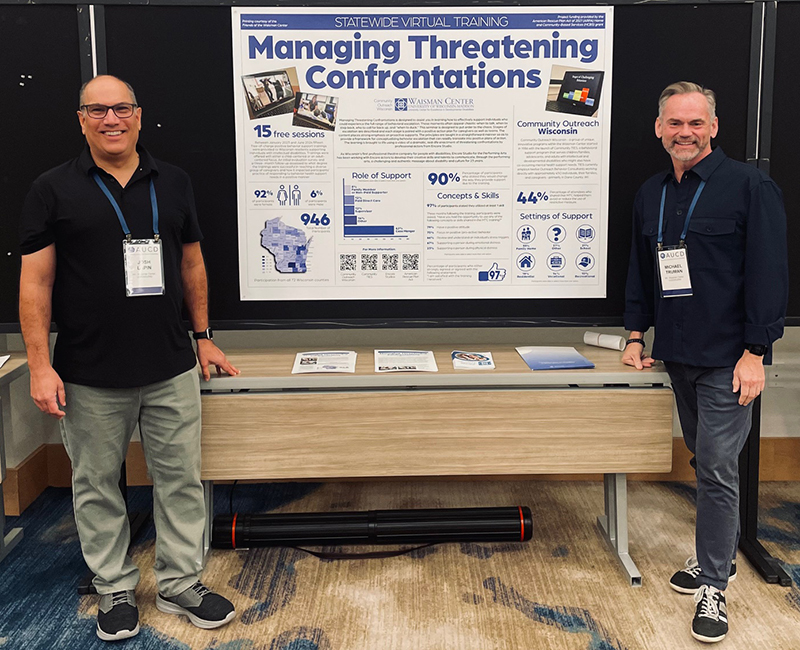
Statewide success: Managing threatening confrontations training enhances disability support for thousands
It focuses on teaching proactive and positive strategies for supporting individuals with disabilities through a broad range of behaviors and escalation levels.
-
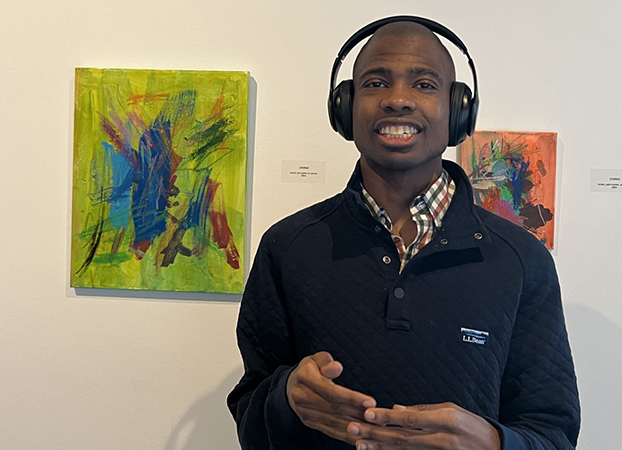
Change ahead: Creating a road map to help families navigate the transition to adulthood for individuals with an intellectual and developmental disability
The road to adulthood can be rough terrain. It consists of uncharted territory and many changes.
-
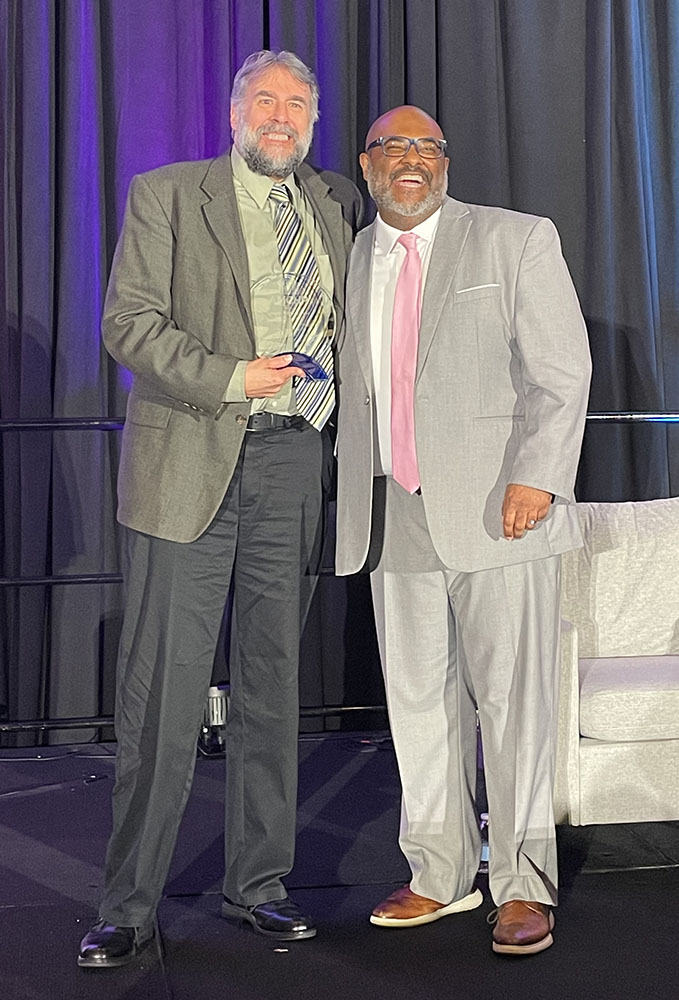
Tim Markle receives 2025 Merle McPherson Family Leadership Award for tireless advocacy
Tim Markle, MA/CS, outreach manager of the Waisman Center’s Children’s Resource Center – South (CRC) and director of the Youth Health Transition Initiative (YHTI), recently received the 2025 Merle McPherson Family Leadership…
-

New insights into language development: The role of joint attention in kids with Down syndrome and autism
Attention is a key component of learning. Think of how hard it is to learn someone’s name if all you can think about is the eyelash on their cheek. The same can…
-
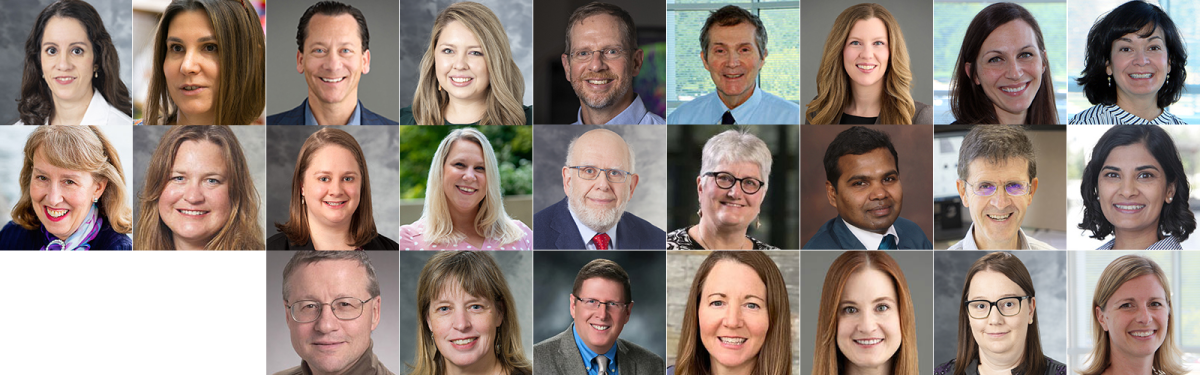
National Doctors Day is March 30, 2025
Learn more about National Doctor’s Day here. Learn more about the many Waisman Center physicians who provide care as clinicians, who are researchers, or both.
-
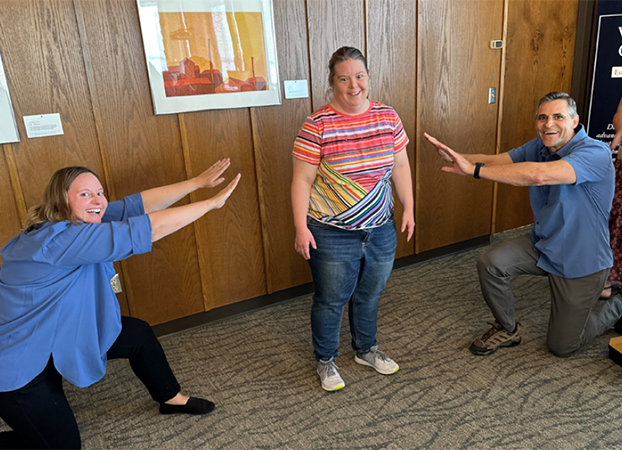
A family’s commitment to Down syndrome research at the Waisman Center spans four decades and counting
When Heather Huismann was in middle school she called the police on her teacher. “He was not teaching me very well,” Heather says.
-

Decisiones de crianza que valen la pena considerar según la ciencia del desarrollo
Este artículo es un resumen de un ensayo escrito por Seth Pollak, PhD, y Megan Gunnar, PhD, para la revista Daedelus. Puede ser difícil – y abrumador – tomar ciertas decisiones en…
-
Caregiving decisions worth dwelling on according to developmental science
A common – and actually important – question caregivers ask is when is the right time to introduce children to a specific experience – foods, activities, languages, motor skills, germs, and more.
-

Child’s rare condition diagnosed after 14 years of searching
Imagine how it would feel to have a child born seemingly healthy, but then he struggles to grow, walk, learn or talk – and no one can figure out why.
-
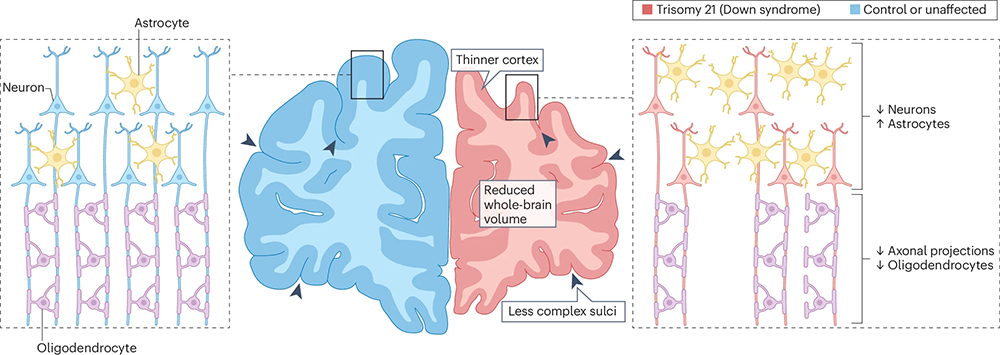
What research has revealed about Down syndrome’s influence on brain development
A new review paper published in Nature Reviews Neuroscience from Bhattacharyya, associate professor of cell and regenerative biology, pulls together what is currently known about DS’s impact on brain development.
-
New AI framework reveals cooperative work behind oligodendrocyte function
Our brain is big on team work makes the dream work. Not only brain cells, but even smaller units that make up a cell work in cooperation to make the brain work…
-

Leading by example: Brooke Mortensen, NP
Brooke Mortensen, NP, always wanted to be a nurse. “I’ve always enjoyed science but I also love human interaction and connection. I feel that nursing really embodies those two spirits equally,”
-

Listening through the lens of culture: How acoustic environments shape language development
The influence of culture on an individual’s everyday life, behavior, and values is as ubiquitous as the air we breathe.
-
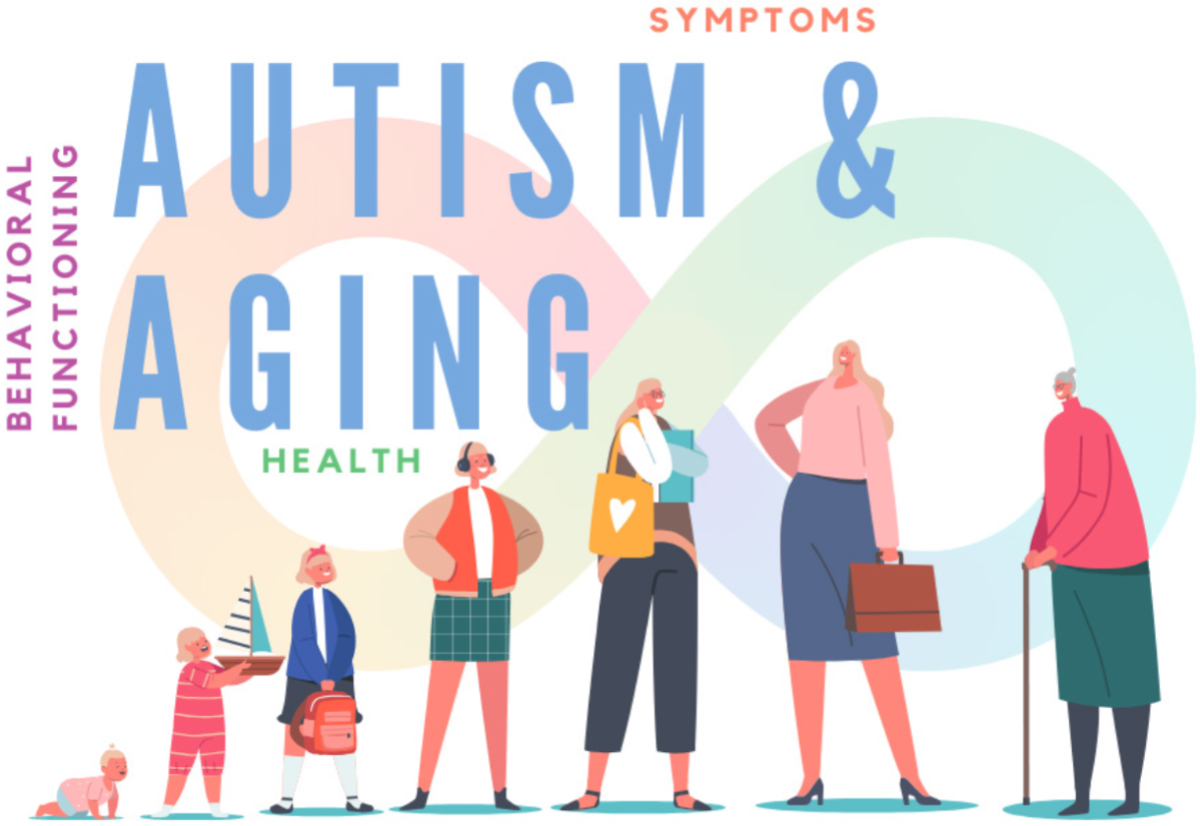
Autism through midlife and into older age
Autistic adults may face changes in their autism symptoms, behavioral functioning, and health as they age, with some improving and some worsening, a new study shows. This insight may help autistic individuals…