
2026 News
-

Gold standard test of child’s speech abilities may not capture the whole picture, new study reveals
Two well-established measures of how well a child is understood by others, previously believed to capture the same thing, are not well correlated in typically developing children when accounting for age, a…
-
The research behind the first FDA-approved drug for Alexander Disease
The FDA approved Zanvastro, the first drug to treat Alexander Disease, a breakthrough that wouldn’t have been possible without research at the Waisman Center. By Addison Dama for The Daily Cardinal October…
-
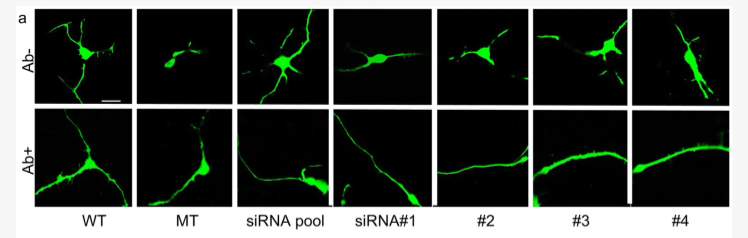
New screening platform accelerates search for Rett syndrome treatments and reveals new disease mechanisms
At a Glance: Developing treatments for rare genetic disorders, such as Rett syndrome, is notoriously difficult, often requiring years of research and significant financial investment. Researchers at the Waisman Center, University of…
-
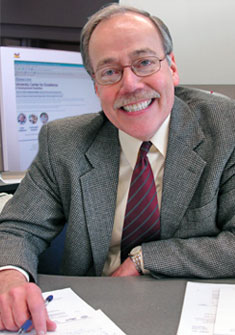
Remembering Dan Bier, former director of the Waisman Center University Center for Excellence in Developmental Disabilities
by Teresa Palumbo Dan Bier, former associate director of the Waisman Center and University Center for Excellence in Developmental Disabilities, passed away on October 3. He was 78. For more than four…
-
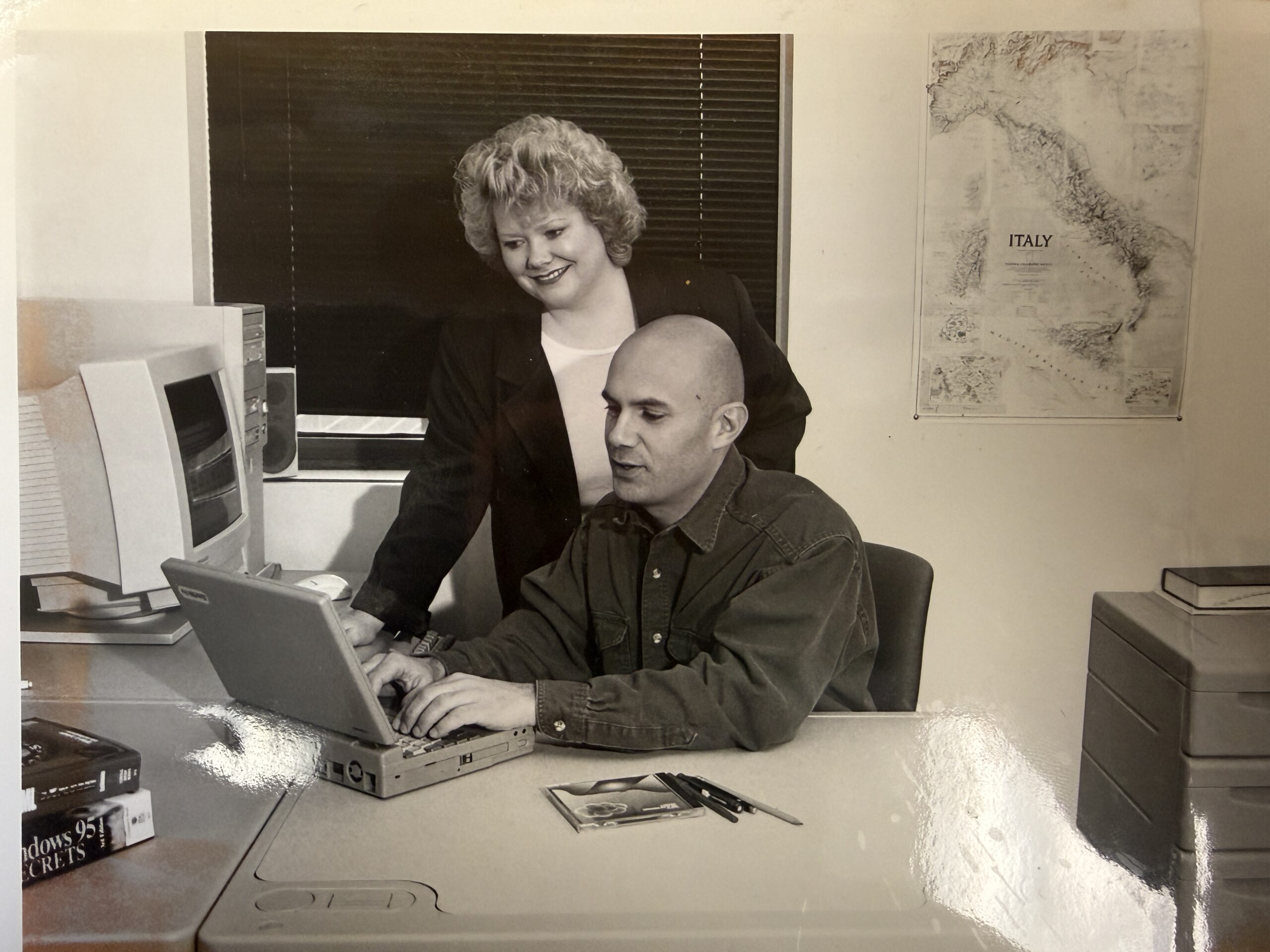
Building the Waisman Center’s window to the world: Website manager Linda Rowley retires after more than 30 years of keeping the center online
Rowley, who managed the Waisman Center website for 30 years, retired this July, but not before ensuring the website was set up for its most recent update.
-

‘We built a brain roadmap for each person’: New AI-driven tools help decode Alzheimer’s disease at the cellular level
Identifying the cells connected with Alzheimer’s symptoms could result in new treatments for the disease. By Emily Leclerc and Charlene N. Rivera-Bonet Alzheimer’s disease is complex, presenting and progressing in so many…
-
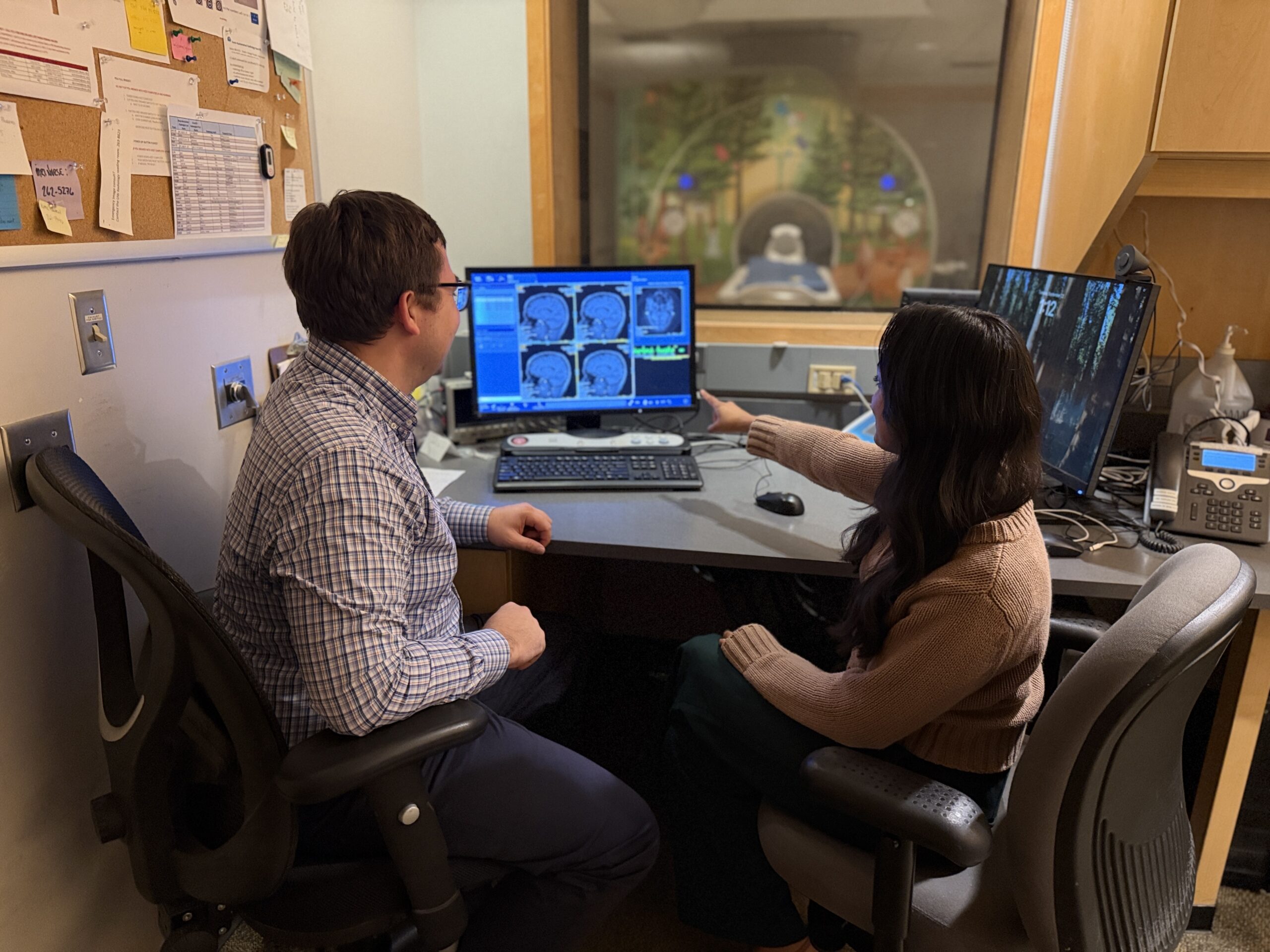
Neighborhood disadvantage is associated with differences in early brain development
The study highlights associations between neighborhood disadvantage and an MRI measure of myelin maturation, a marker of brain development, across infancy and childhood.
-
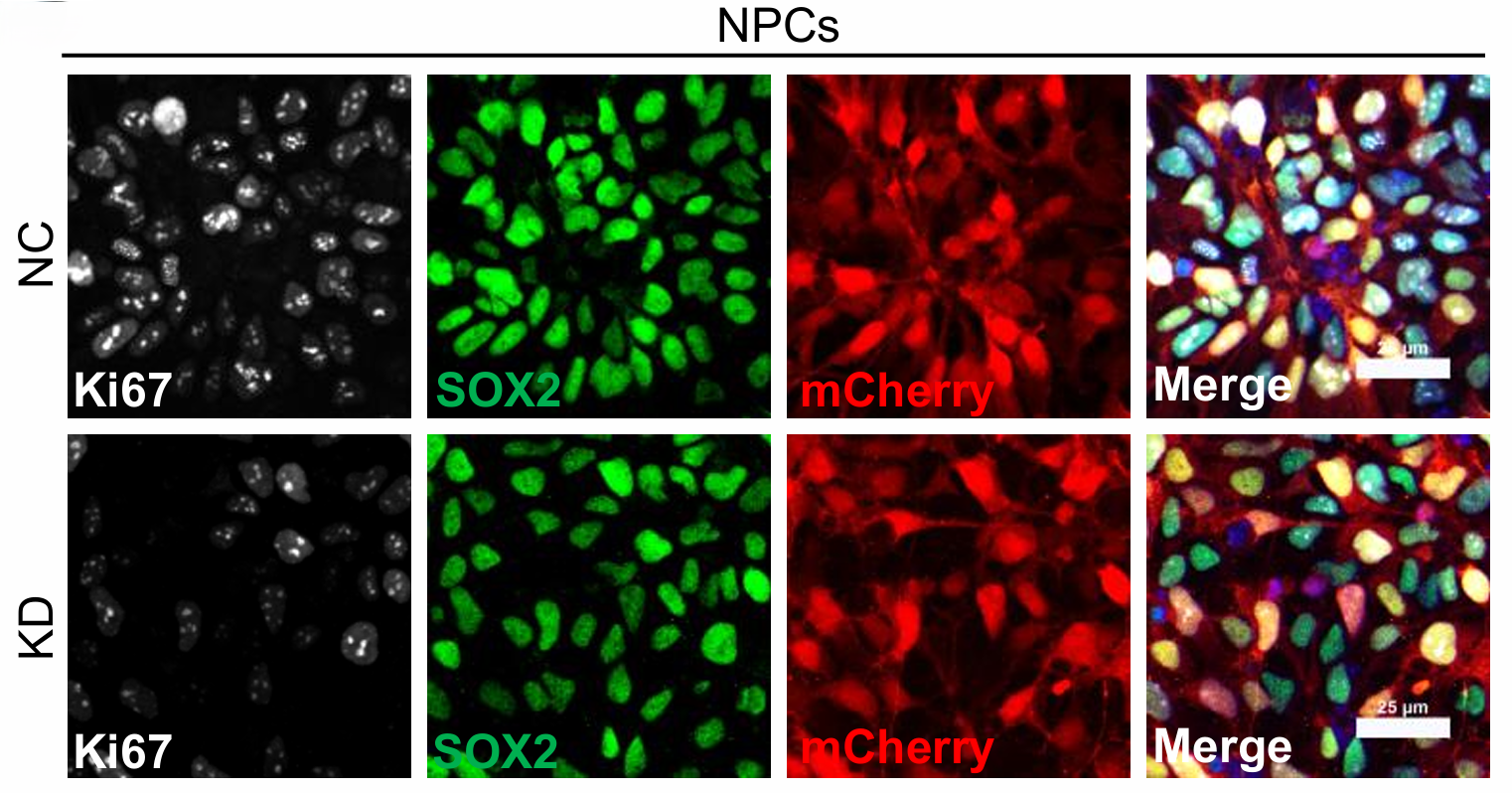
RNA-binding protein identified as key regulator of brain development
A new Waisman Center, University of Wisconsin–Madison study has identified a critical regulator of this early process of cell fate called FXR1, a protein that binds RNA to regulate the abundance of…
-

Xinyu Zhao, PhD – Slide of the Week
The human genome has many short tandem repeats, yet the normal functions of these repeats are unclear.
-
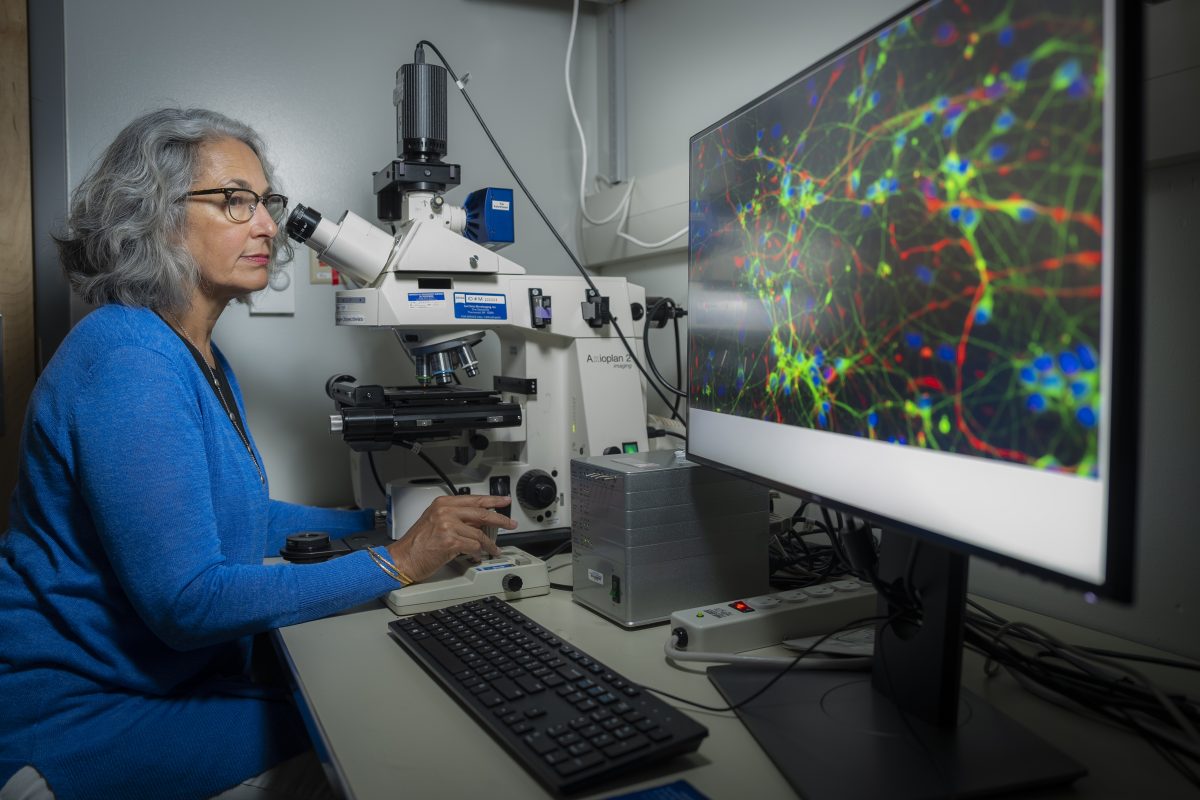
New drug shows promise for treating Down syndrome-related brain changes
Individuals with Down syndrome have differences in how their brains form that cause intellectual disability. Down syndrome or trisomy 21 is the most common genetic cause of intellectual and developmental disability and…
-
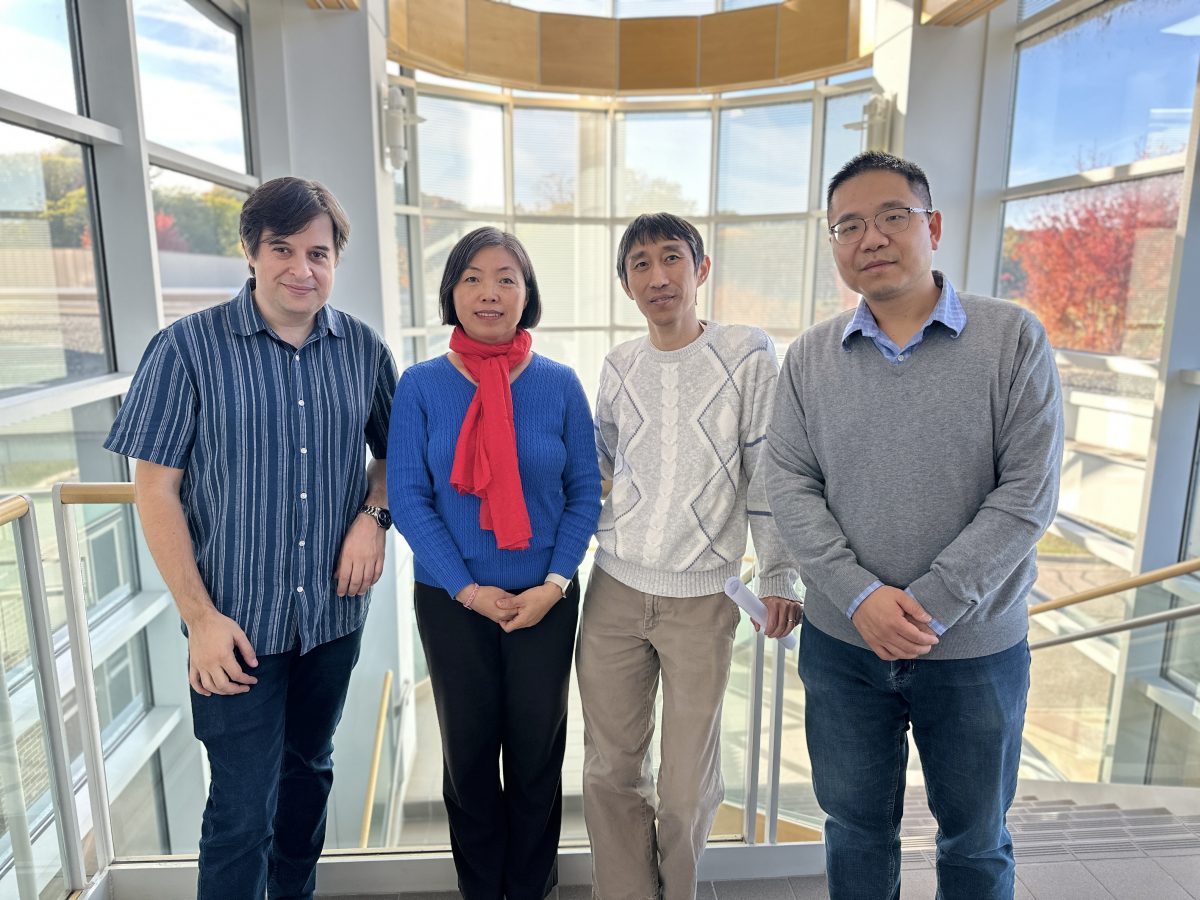
Waisman investigators receive NIH funding to optimize the use of brain organoids in research
A newly funded project will combine the expertise of four Waisman Center investigators to develop advanced machine learning methods for studying brain organoids, three-dimensional cell clusters grown from stem cells that closely…
-

Daifeng Wang, PhD – Slide of the Week
Spatial sequencing technologies enable the single-cell-level study of molecular organization in tissues.
-
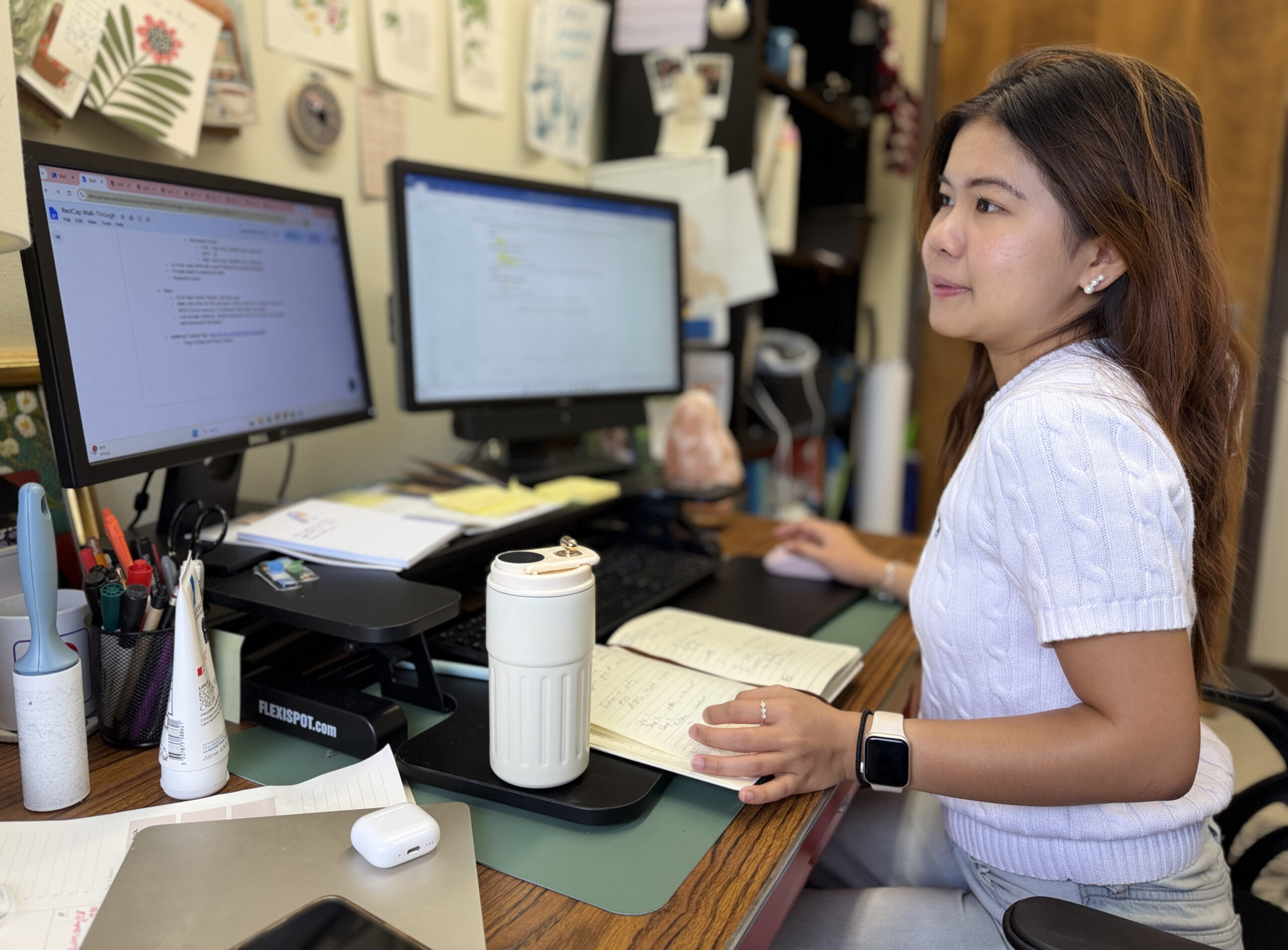
Lawrence University senior takes on language development research at Waisman
Giang Pham, a rising senior from Lawrence University in Appleton, is spending her second summer doing research at the Waisman Center University of Wisconsin–Madison as part of an internship program established and…
-
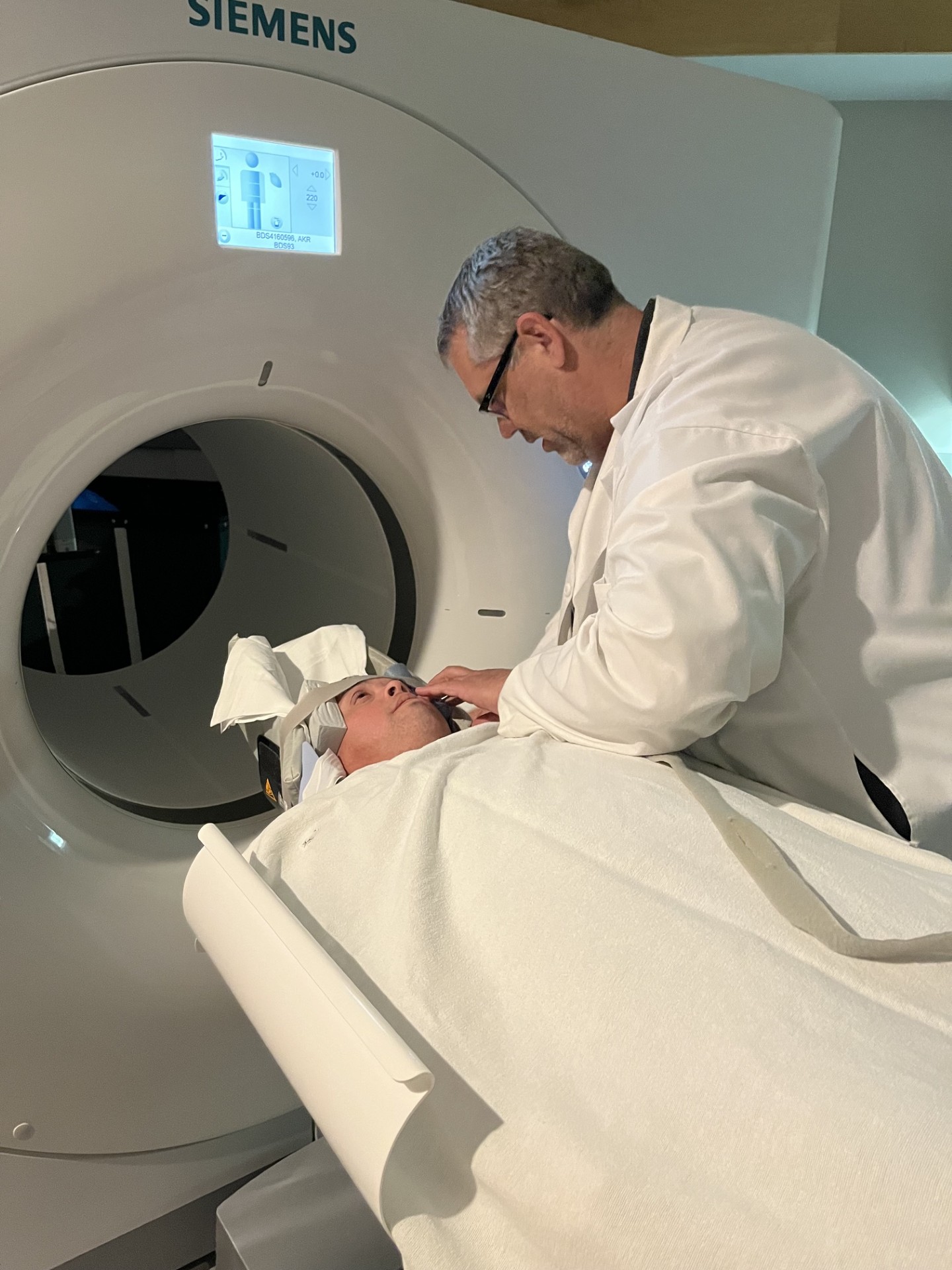
Puerto Rico to become a site for The Alzheimer Biomarker Consortium – Down syndrome
Puerto Rican families have started traveling to Wisconsin to be part of the research study, but the goal is to build the infrastructure to eventually conduct the studies on the island.
-

Discovery opens new path toward restoring vision lost to blindness
At a Glance A newly discovered protein marker on the surface of a retinal cell could help pave the way for cell therapies that restore vision in people with currently incurable forms…
-
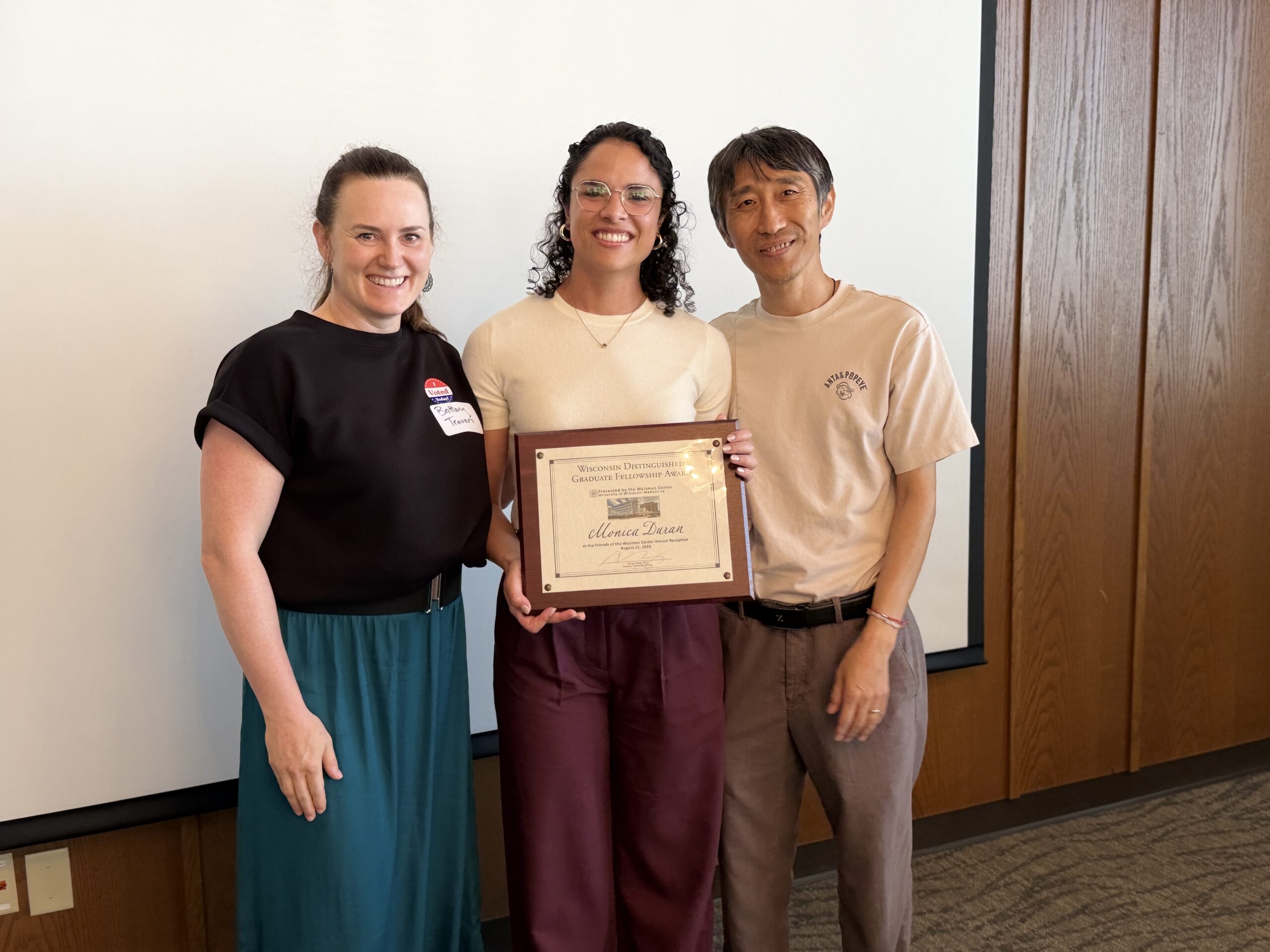
Friends of the Waisman Center Annual Awards
On August 11, the Friends of the Waisman Center celebrated a remarkable group of students, staff, and volunteers whose dedication, achievements, and service have strengthened the Waisman community. During the annual awards…
-
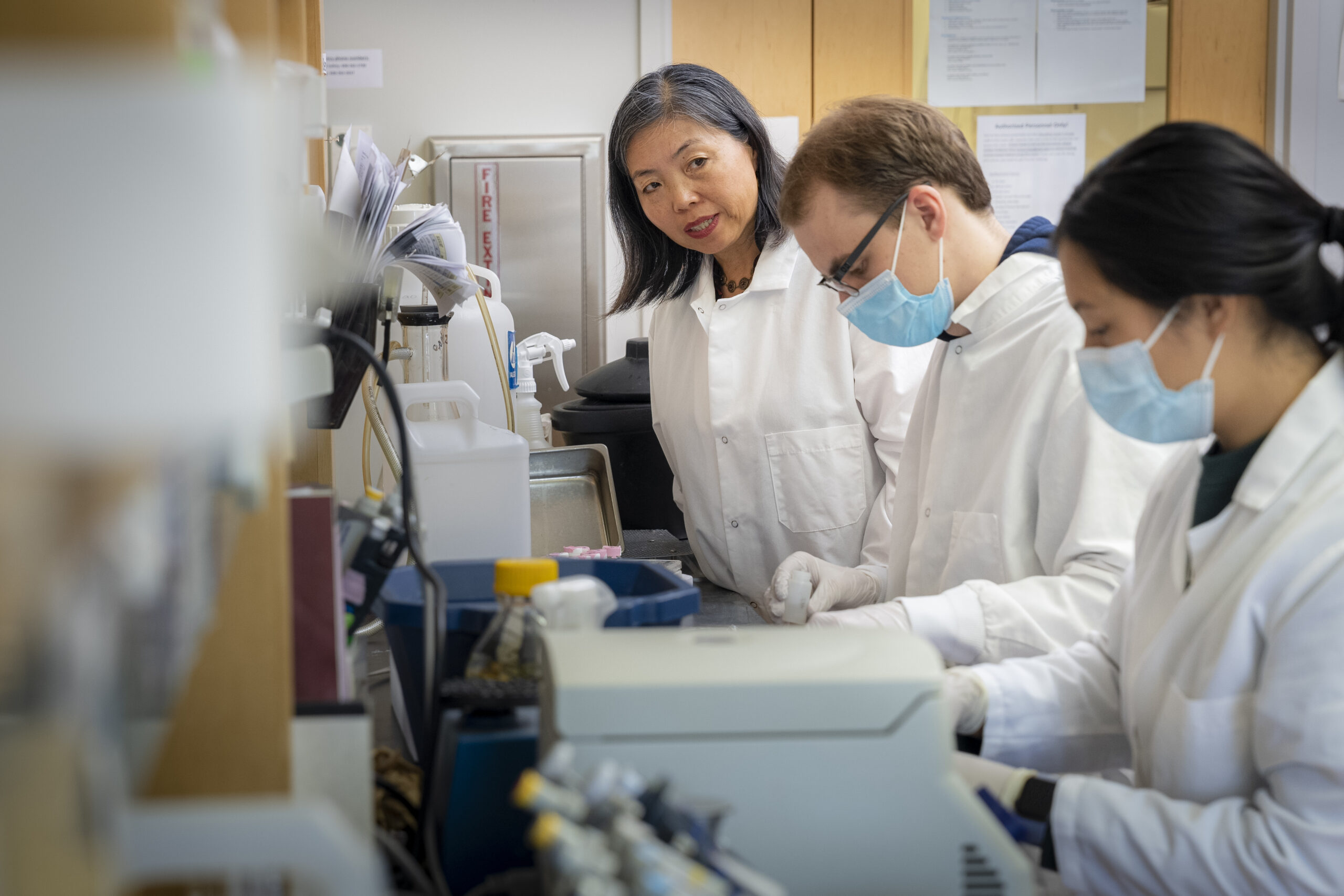
Waisman Center researcher receives WARF-funded award to advance next generation of brain organoid research
A University of Wisconsin–Madison interdisciplinary team led by Waisman Center investigator Xinyu Zhao, PhD, has received funding through the Wisconsin Alumni Research Foundation (WARF)-supported Igniting Interdisciplinary Innovation (I³) initiative to develop new methods for…
-
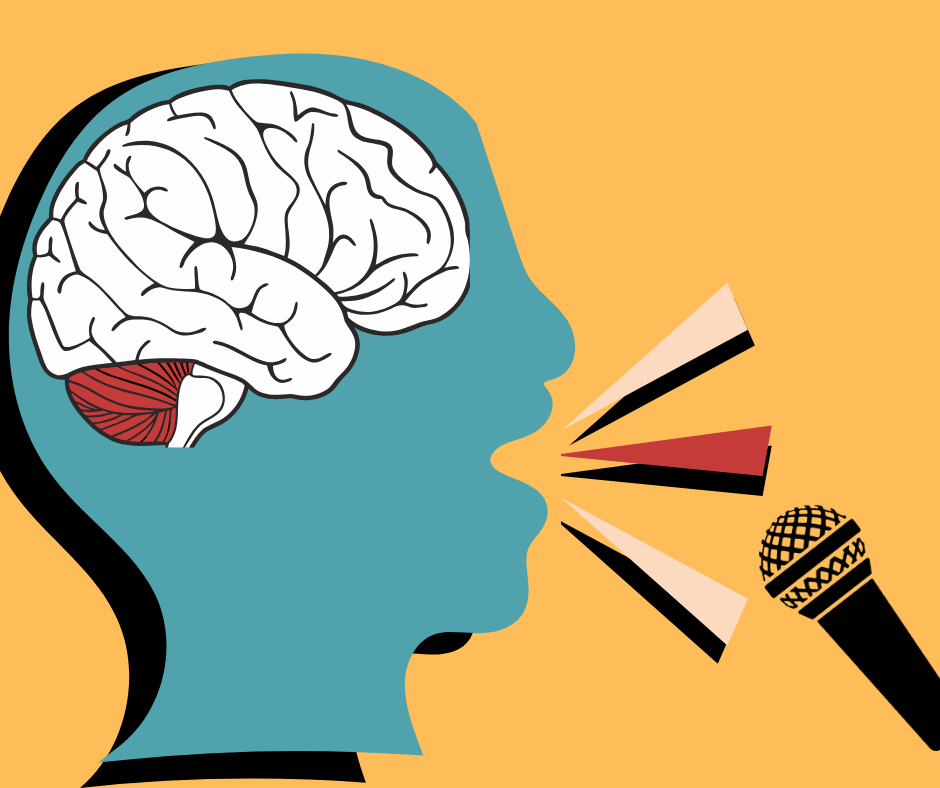
Damage to the cerebellum impairs ability to adapt speech timing and pitch, two new studies show
Cerebellar damage may impair someone’s ability to adapt both the timing of speech and vocal pitch, new Waisman Center studies suggest, shedding light on the involvement of the cerebellum in speech motor…
-

Pollak and Shutts awarded fellowships from the Office of the Vice Chancellor for Research
Waisman Center investigators Seth Pollak and Kristin Shutts are among the forty-two UW–Madison faculty to be awarded fellowships from the Office of the Vice Chancellor for Research (OVCR) for 2026-2027. Click here…
-

New AI tool enhances cell segmentation with gene expression data
At a Glance: Understanding what a cell does starts with knowing exactly where it is. Now, a new AI-powered tool developed by researchers at the Waisman Center, University of Wisconsin–Madison, is making…
-
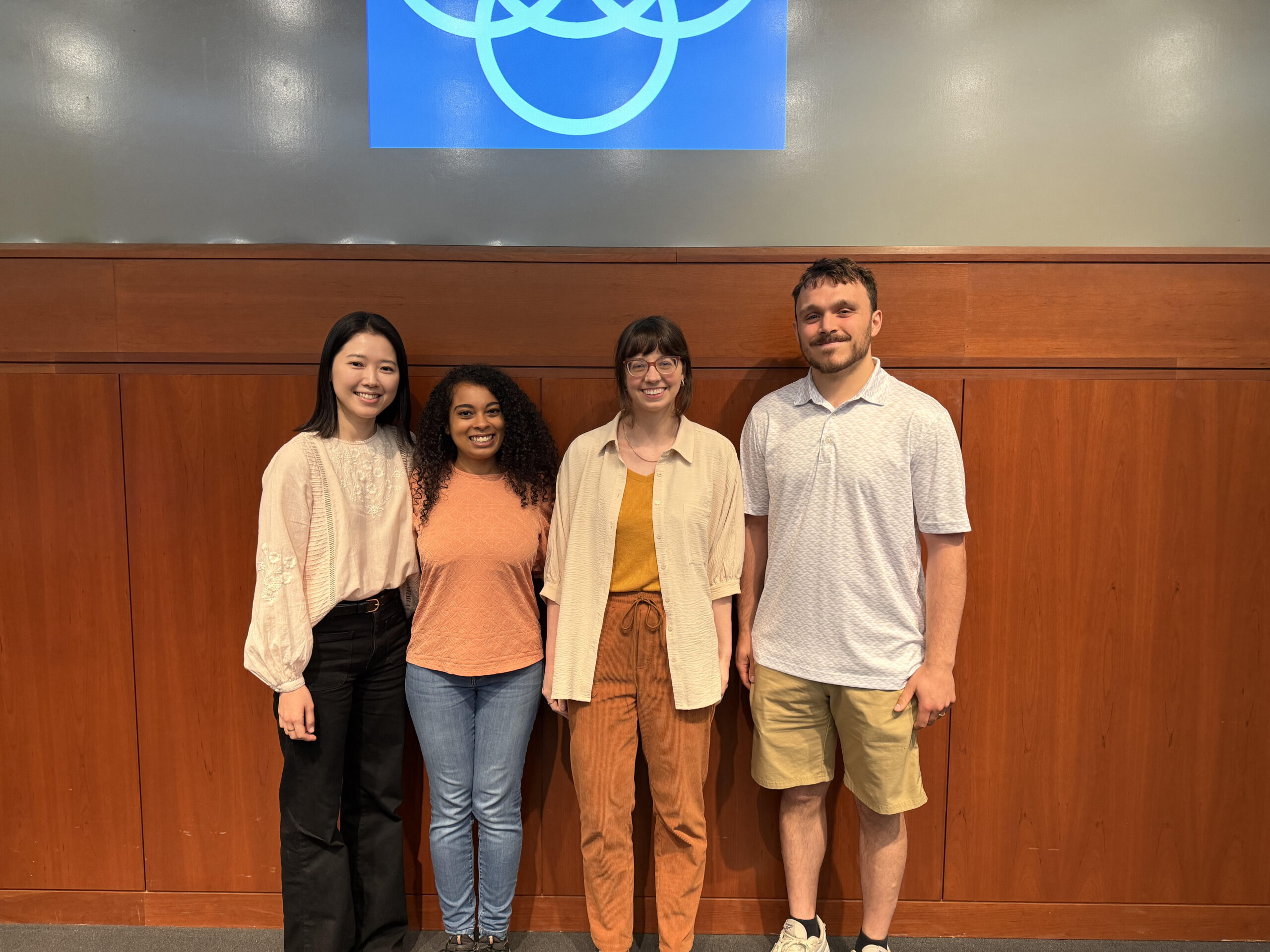
A springboard for scientific independence: Inside Waisman’s T32 Postdoctoral Training Program
At a Glance: Postdoctoral fellowships occupy an unusual space between being a graduate student and becoming an independent scholar. The postdoc stage is marked by a focus on refining research skills, expanding…
-
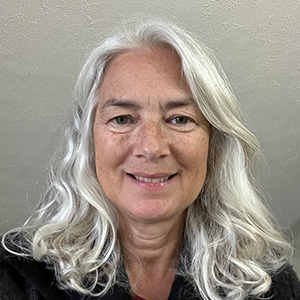
A legacy of support: Connie Stevens retires after decades of advocacy for families of children with hearing differences
After more than two decades of advocacy, collaboration, and compassionate support for families of children with hearing differences, Connie Stevens, MA, retired at the end of June 2026. A veteran support parent…
-
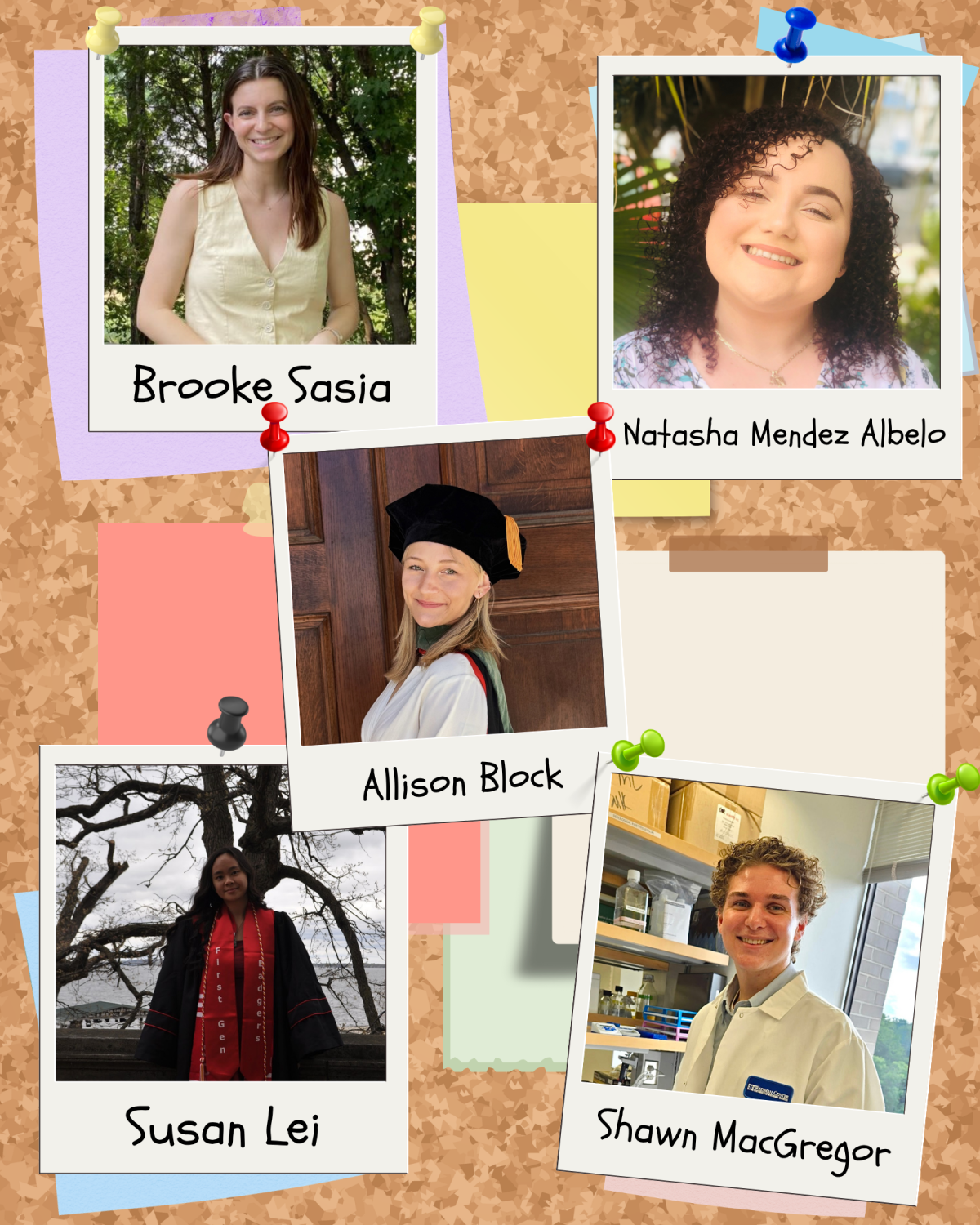
Students are the lifeblood of science: How students contribute to and shape research
Science is not static. It constantly grows through curiosity, experimentation, and the continuous pursuit of new knowledge. Every question asked, every experiment conducted, and every discovery made build upon what came before…
-
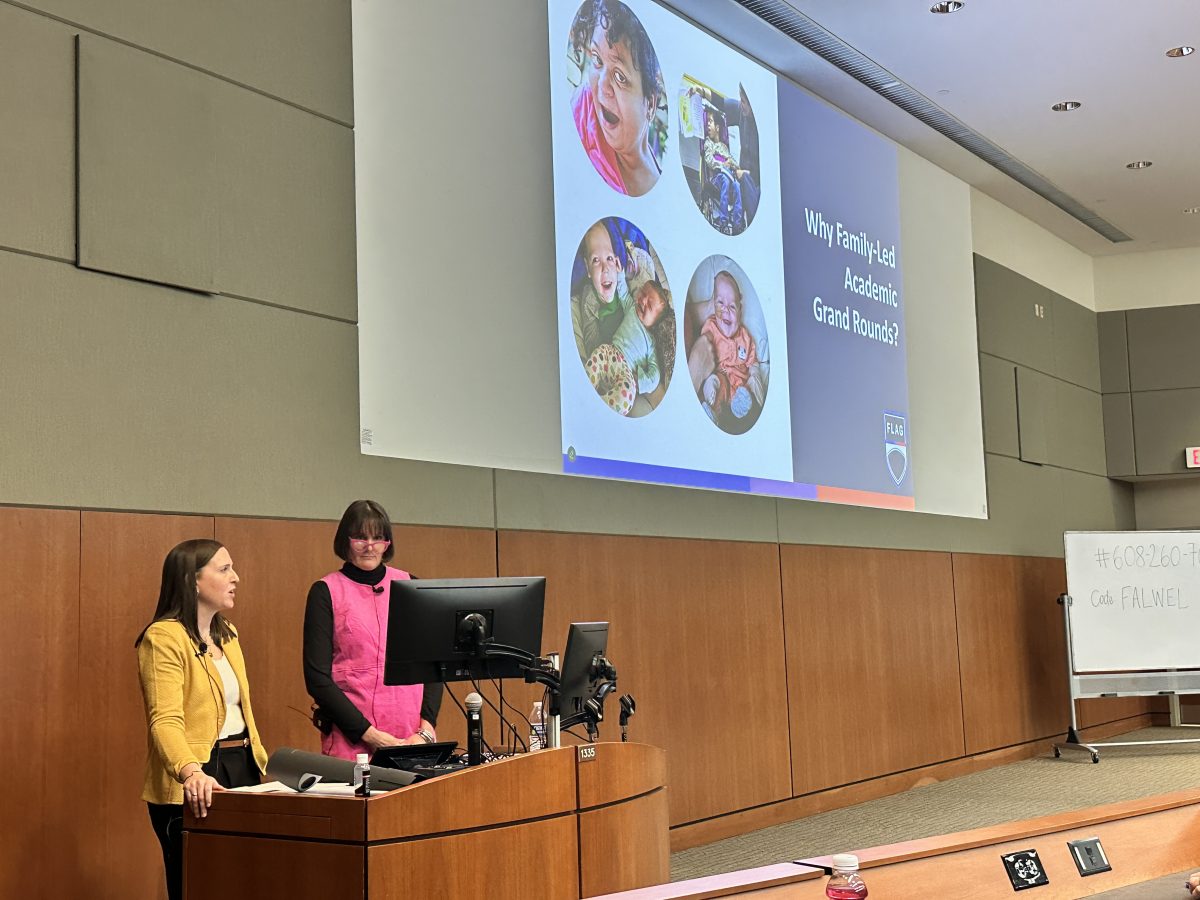
Family-Led Academic Grand (FLAG) Rounds: Family stories as a tool for teaching patient and family-centered care to medical trainees
FLAG Rounds were developed by Coleman and Danielle Gerber to use family faculty, or family members of children with complex medical needs as lecturers, and storytelling as a strategy to develop the…
-
Changes in walking patterns could be an important new screening tool for Alzheimer’s in individuals with Down syndrome
Individuals with Down syndrome have a 90% lifetime risk of developing Alzheimer’s disease.
-
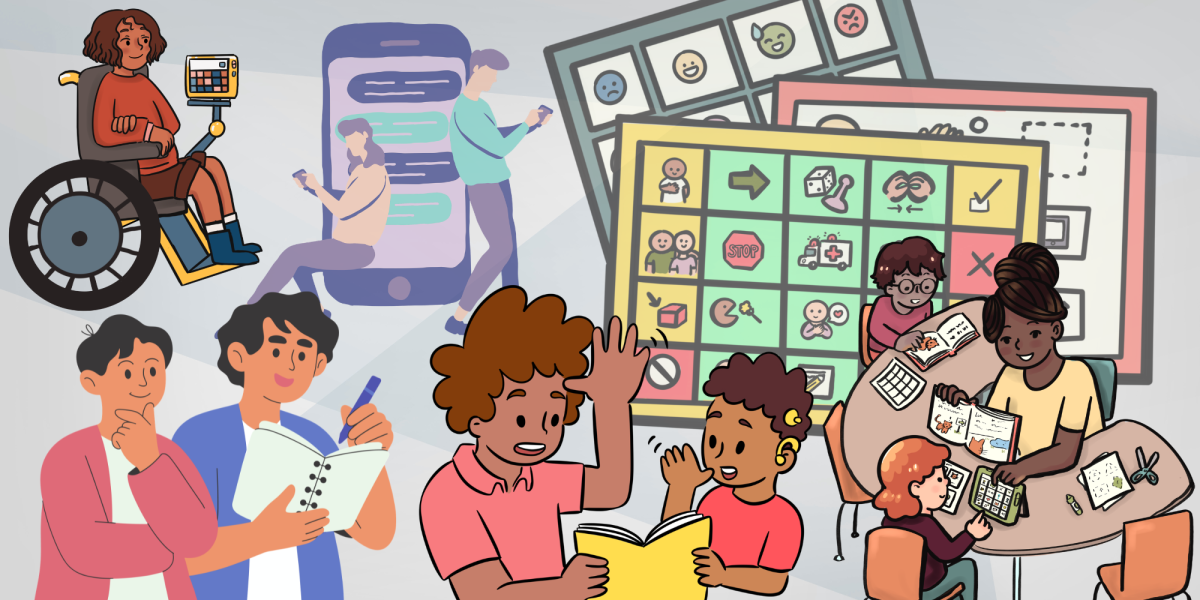
Typing, tapping, and eye-gaze tracking: Augmentative and alternative communication provides crucial access to communication when speech is out of reach
For many, talking is as easy as breathing. A few words to tell your friend that you are hungry and ready for lunch. A long rant to your partner about frustrations at…
-
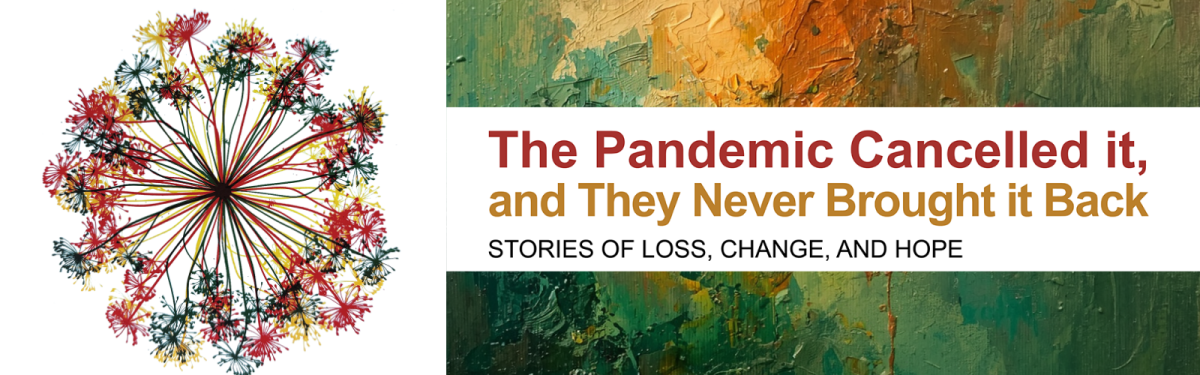
New book shares the experiences of individuals with disabilities through the COVID-19 pandemic using photos
The Pandemic Cancelled It, and They Never Brought It Back takes readers into the daily lives of individuals with intellectual and developmental disabilities during the COVID‑19 pandemic, using their own photographs and…
-
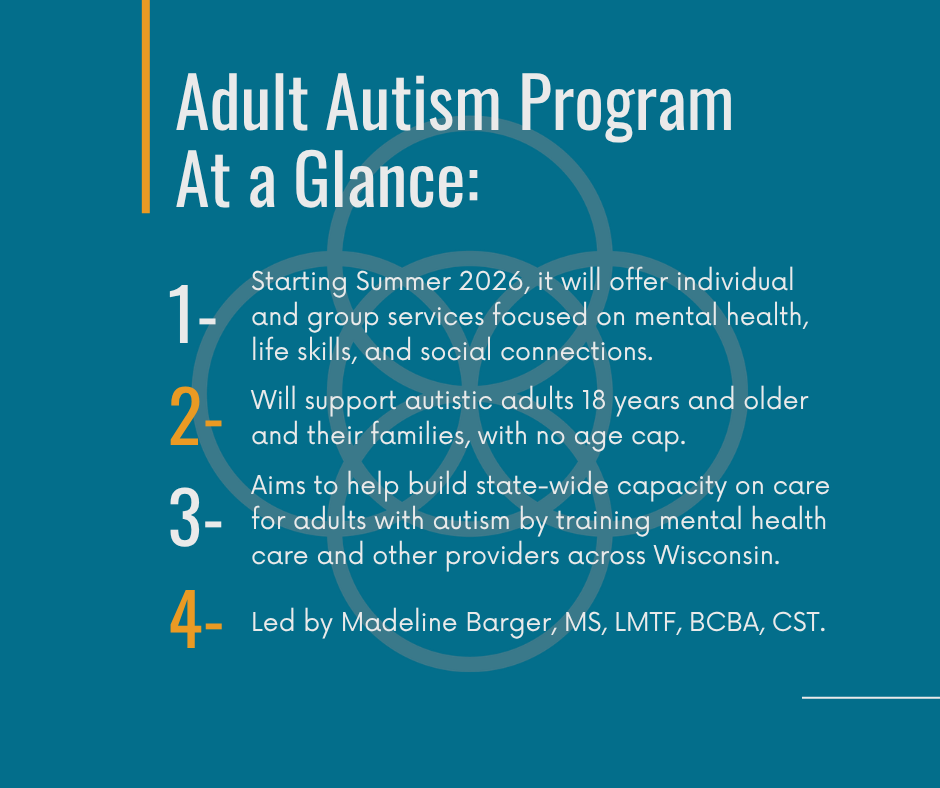
Waisman Center to pilot Adult Autism Program this summer
This summer, the Waisman Center’s University Center for Excellence in Developmental Disabilities (UCEDD) will launch the Adult Autism Program, with services focused on mental health, life skills, and social connections for supporting…
-
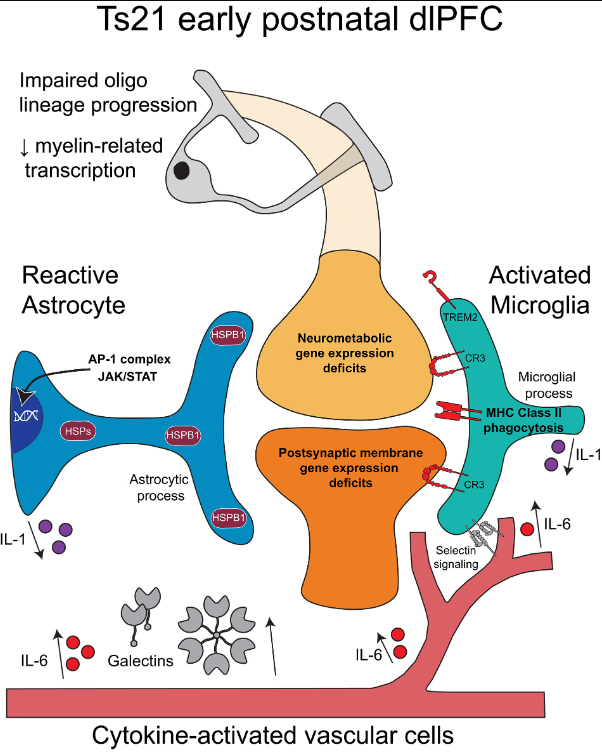
Earliest signs of neurodegeneration in Down syndrome detected shortly after birth, new Waisman study shows
Signs of neurodegeneration in individuals with Down syndrome may start as early as birth, a critical stage of brain development, a new study shows. The research, from investigators at the Waisman Center,…
-

Ability, not disability: UW allies highlight advocacy in light of Autism Acceptance Month
April is Autism Acceptance Month — a time to recognize those on the autism spectrum, provide support, improve access to services and celebrate neurodiverse identities. Autism is a developmental disability, meaning it displays itself…
-
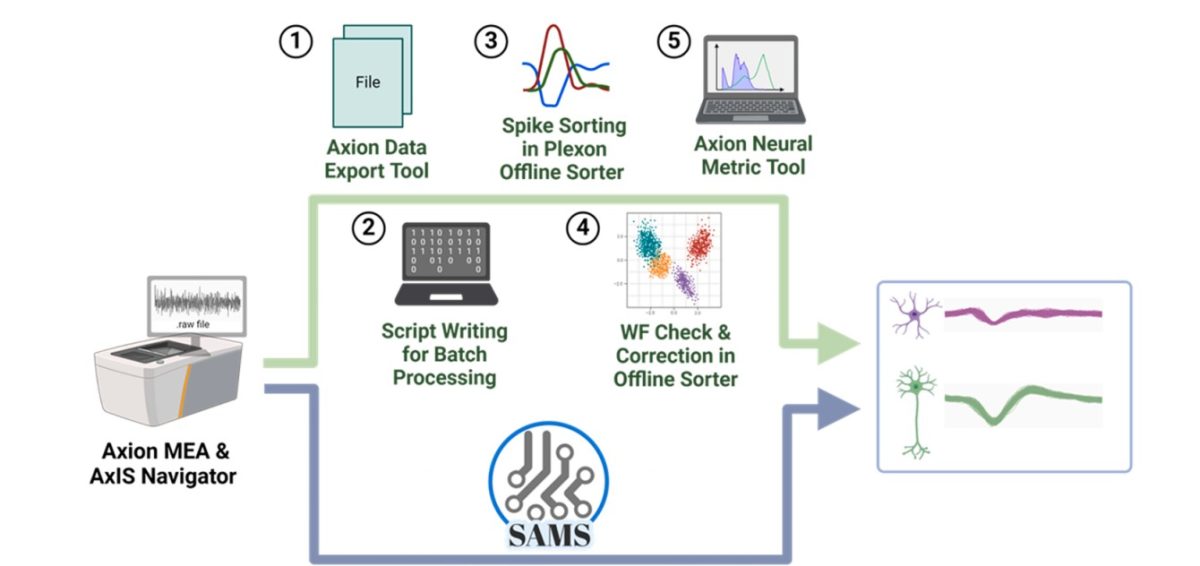
New tool for researchers makes it easier to analyze individual neurons
The electrical properties of a neuron paint a picture of its development and function. A new user-friendly and accessible tool developed at the Waisman Center allows scientists to analyze the electrical activity…
-
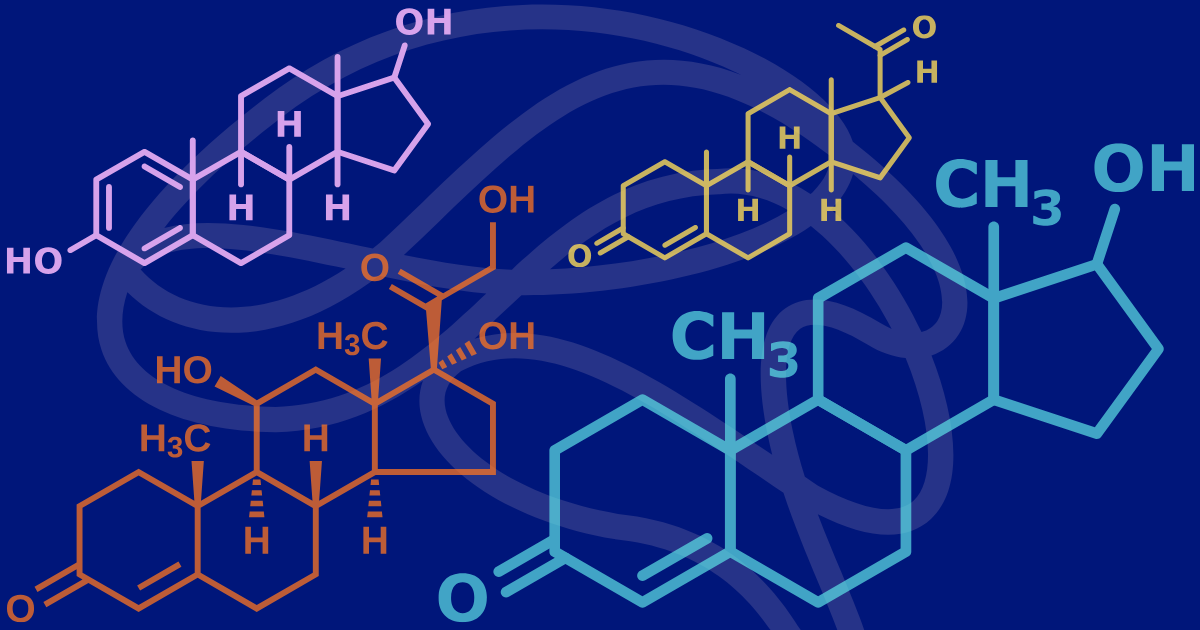
Drug shifts a key hormone after newborn brain injury – but only in females
A blood test alone cannot tell the full story of what’s happening inside a newborn’s brain after a brain injury. New research from the Waisman Center at the University of Wisconsin–Madison suggests…
-
Eagles Autism Foundation funds new research on use of nanotechnology to deliver gene-editing tools to the brain
A new research study at the Waisman Center has been funded by the Eagles Autism Foundation to develop a precise, safe, and broadly applicable method for correcting a single-gene mutation associated with…
-
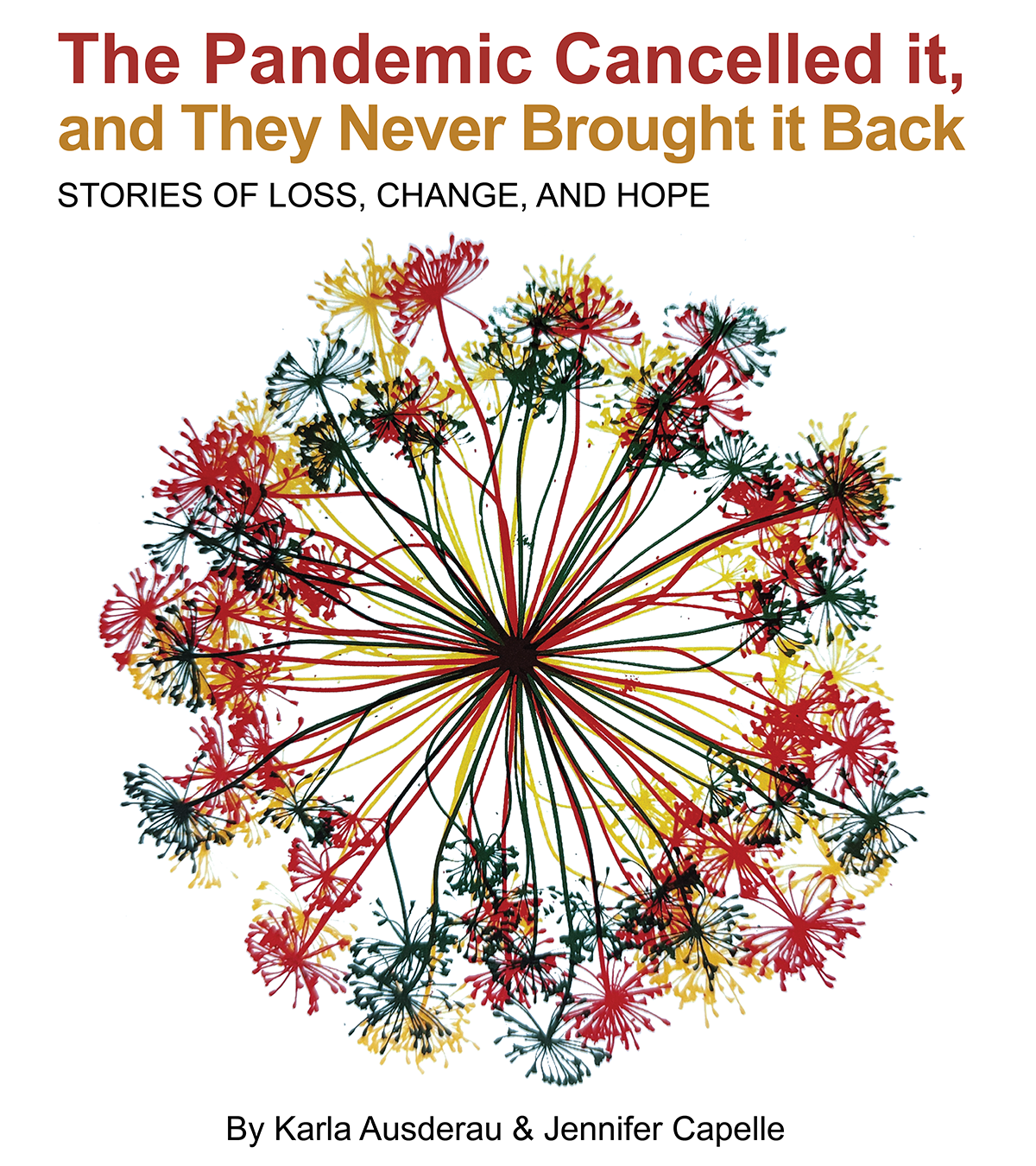
Gallery Walk: The Pandemic Cancelled It, and They Never Brought It Back
The gallery walk goes from Monday, April 6 through Thursday, April 30, 2026 and will be accessible during regular business hours in the John D. Wiley Conference Center hallway at the Waisman…
-
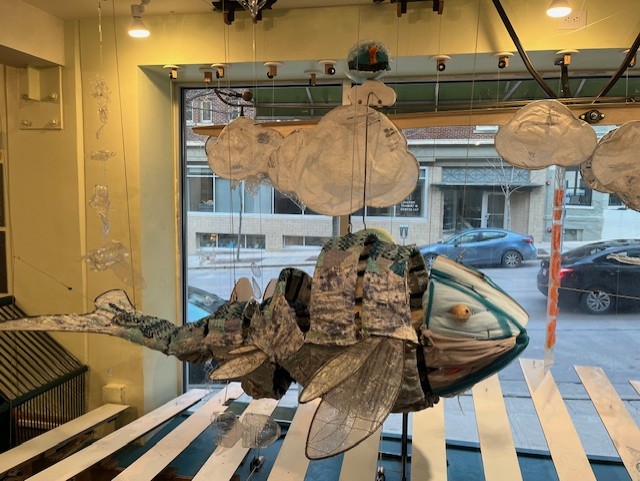
Friendship at the museum: How science helps kids make friends through play
Shutts uses what she learns in her research as a social scientist to influence how kids in the community learn through play at the museum. Her area of expertise is how children…
-

Developmental markers have the potential to make diagnosing autism in individuals with Down syndrome easier
Down syndrome, a neurodevelopmental condition caused by a triplicated 21st chromosome, often presents with co-occurring developmental conditions such as autism. But diagnosing autism in someone with Down syndrome can be difficult as…
-
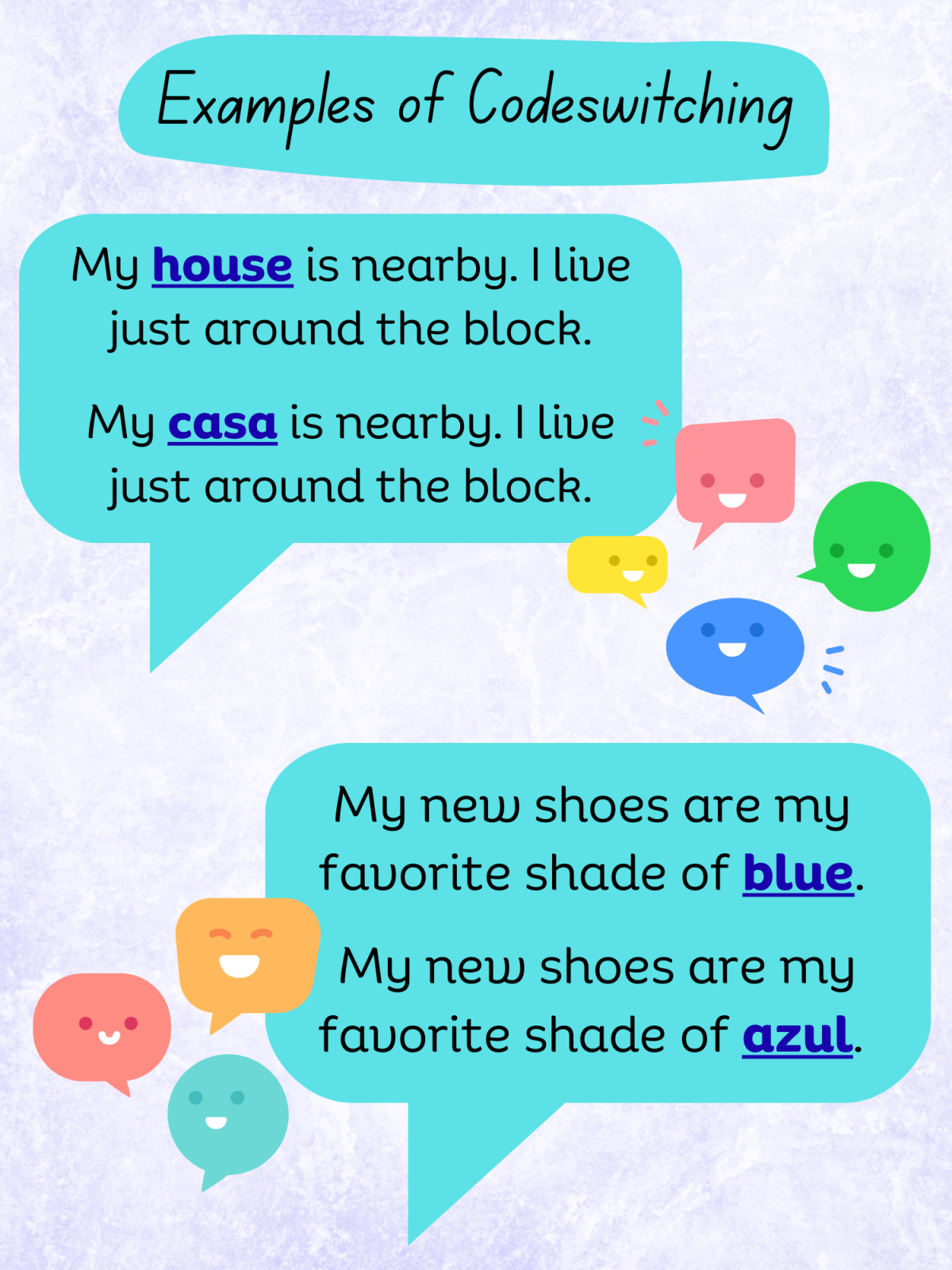
Not lost in translation: New research finds that kids can learn easily from codeswitched language
Codeswitching–when someone switches between two or more languages while speaking–is a very common phenomenon in people who are bilingual. ‘Spanglish’ is a well-known example of codeswitching as it is a colloquial term…
-
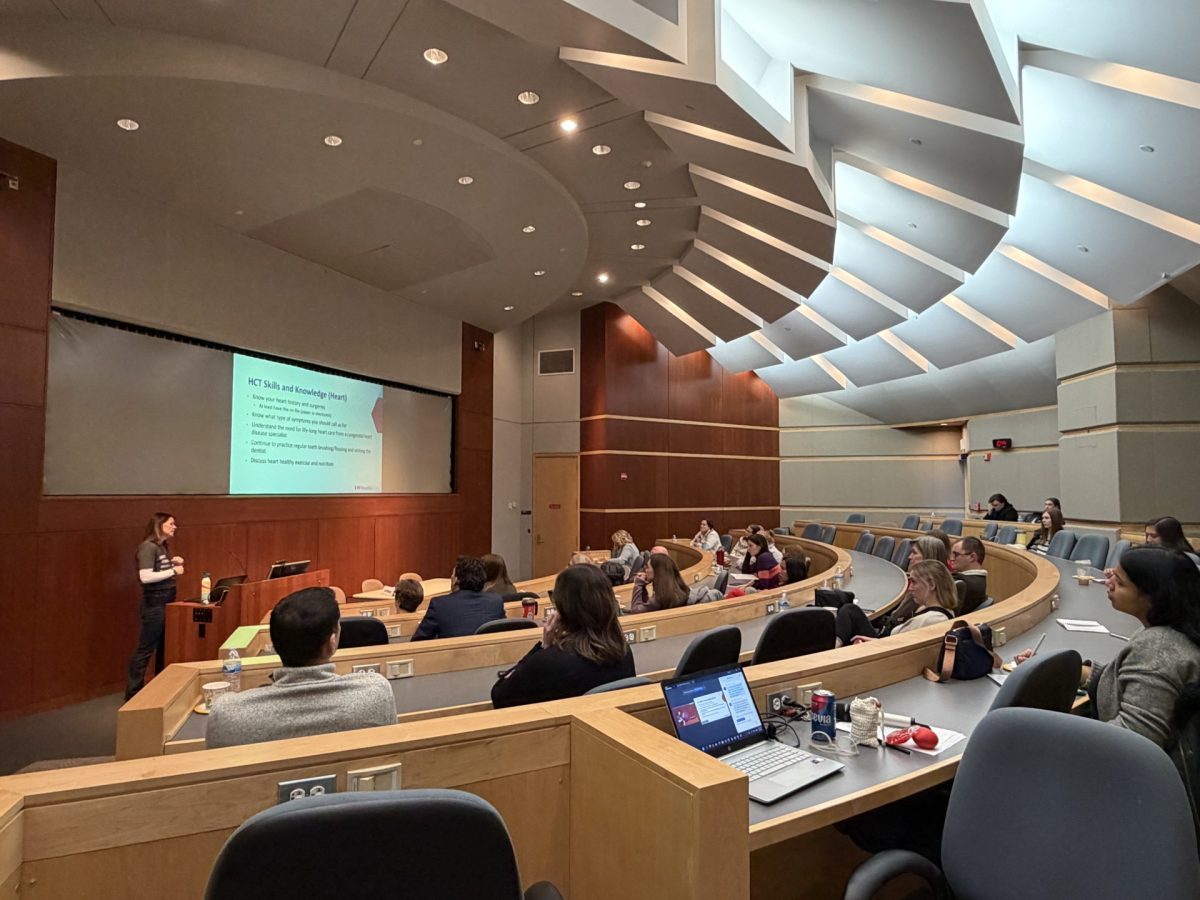
The Waisman Center hosts a successful first Day with the Experts on Congenital Heart Defects
On the first day of Congenital Heart Defects (CHD) Awareness Week, Waisman Center and UW Health Kids experts gathered to share their knowledge on the neurodevelopmental outcomes of congenital heart surgery with…
-
How AI is advancing medical research
Waisman Investigator Daifeng Wang, PhD, associate professor of biostatistics and medical informatics, was featured on this article by the School of Medicine and Public Health on how artificial intelligence (AI) is advancing…
-
Waisman investigator Xinyu Zhao receives grant from the Eagles Autism Foundation
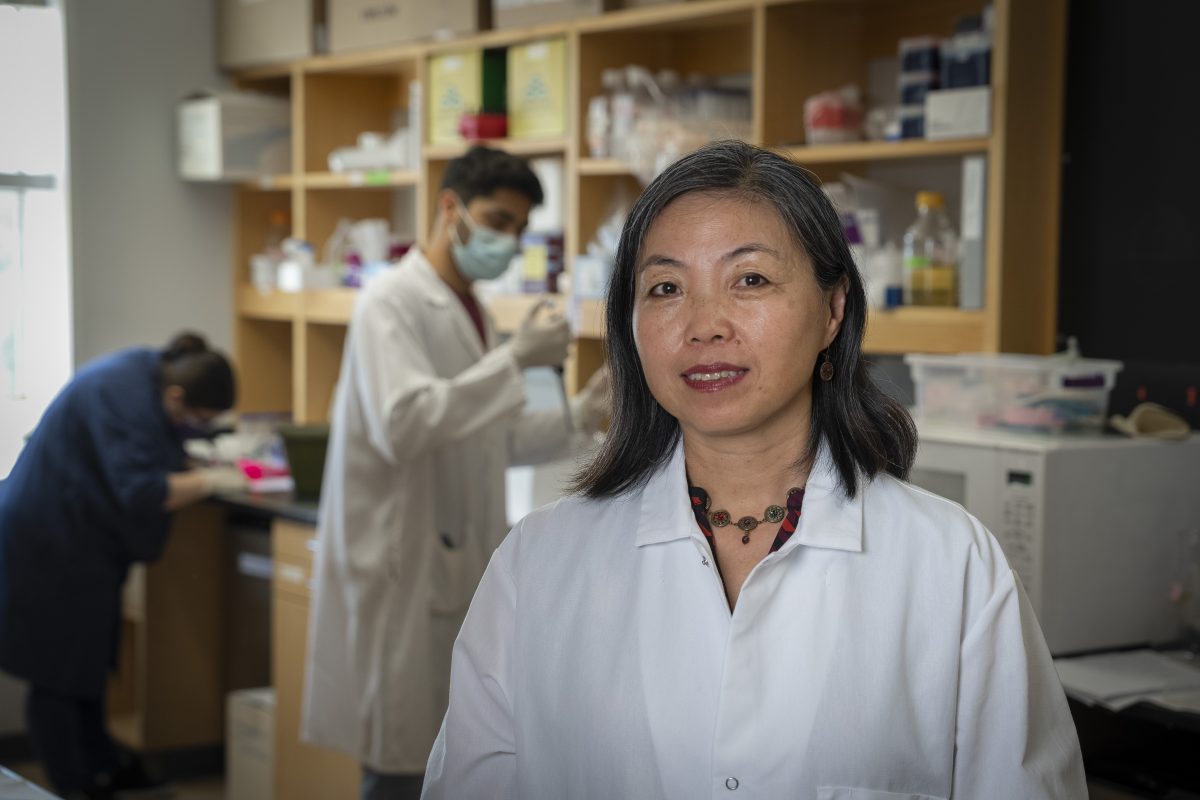
The Waisman Center celebrates the selection of Xinyu Zhao, PhD, a principal investigator renowned for her work in neural stem cells and neurodevelopment, as one of the esteemed recipients of a 2025 Eagles Autism…
-
Beyond the bench: Waisman-born clinical trials
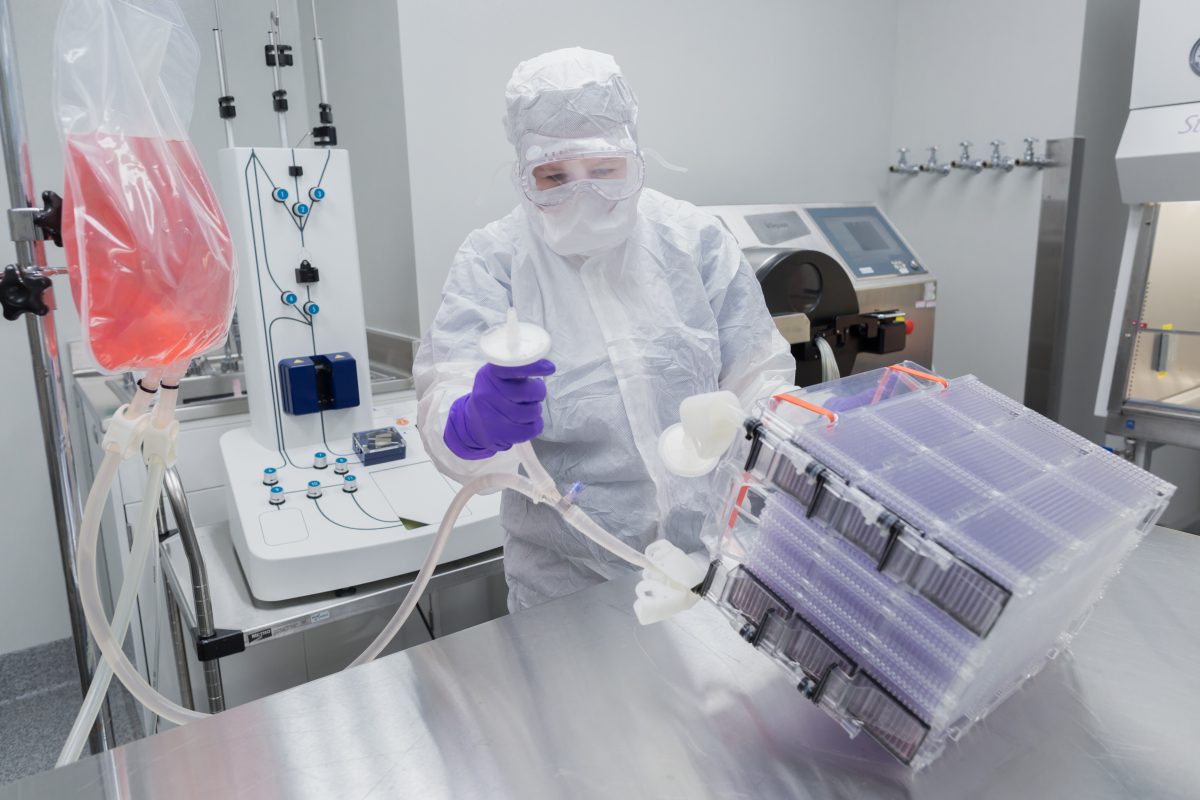
AT A GLANCE: Clinical trials serve as the crucial bridge between groundbreaking laboratory research and the eventual approval of new treatments or interventions. At the Waisman Center, researchers like Albee Messing, VMD,…
-
Understanding why individuals with disabilities continue to be left out of health research
Individuals with disabilities face significant health disparities, yet remain underrepresented in health research. There is substantial evidence that individuals with intellectual and developmental disabilities are systematically excluded from health research, even when…
-
Tribute to Frank L. Siegel, PhD
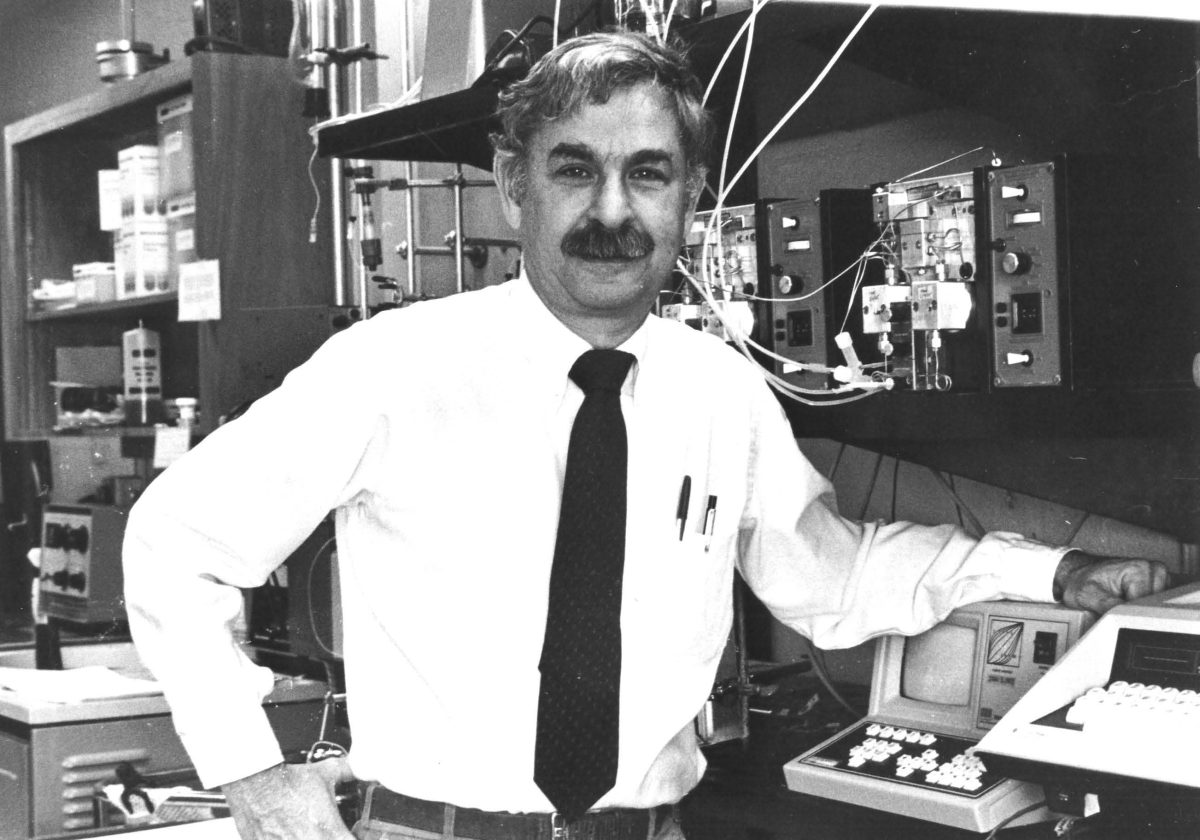
The emeritus professor of pediatrics and biomolecular chemistry passed away on January 1, 2026 at the age of 93.
-
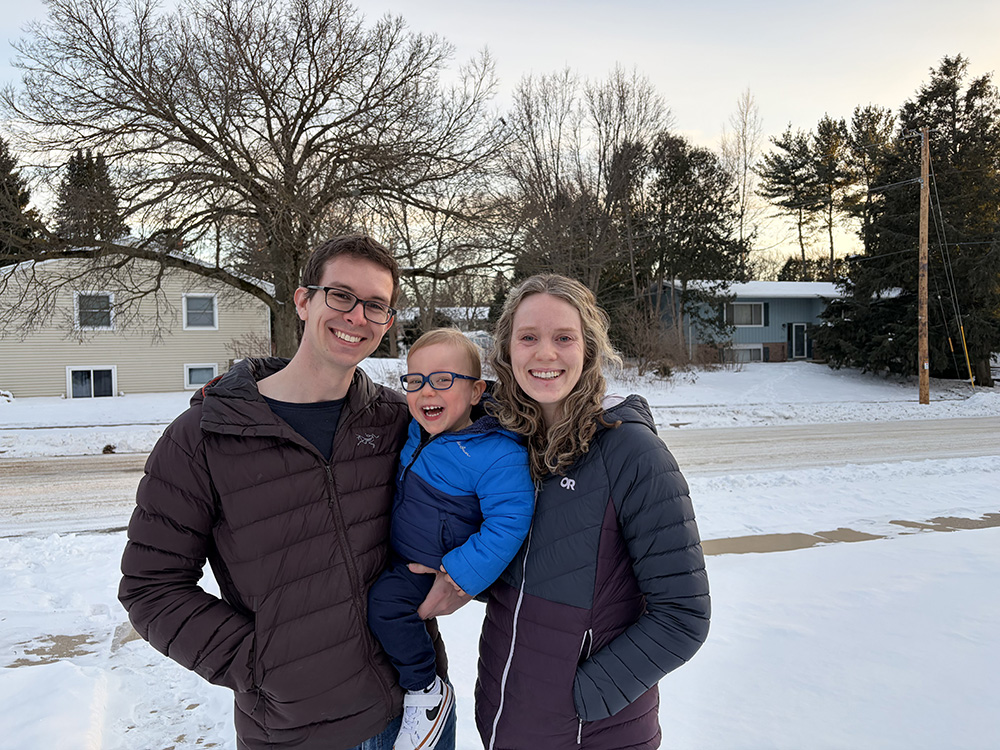
Parents as partners: How a community advisory council highlights the importance of learning from lived experience in research
Researchers are increasingly recognizing what families have long known: lived experience is its own form of expertise.
-
Finding connection: The struggles and strengths of building relationships for individuals with autism
Relationships are hard. It’s part of why there are countless books, podcasts, and blog posts about how to build, maintain, and keep relationships.
-
James Li receives Vilas Associates Award
James Li, PhD, Waisman Center investigator and A.A. Alexander Professor of Psychology and Psychiatry, has been selected to receive a Vilas Associates Award.
-
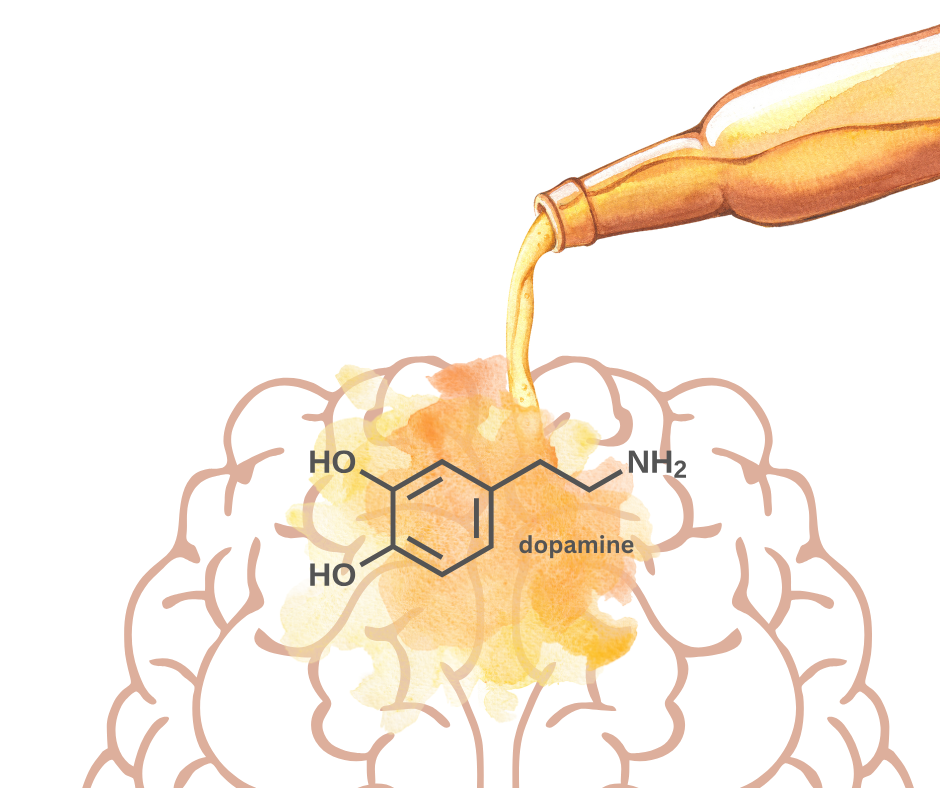
Study shows prenatal alcohol exposure may shape drinking behavior later in life
Prenatal exposure to alcohol may increase the risk of problematic drinking in adulthood according to a new 20 year-longitudinal study done in primates.
-
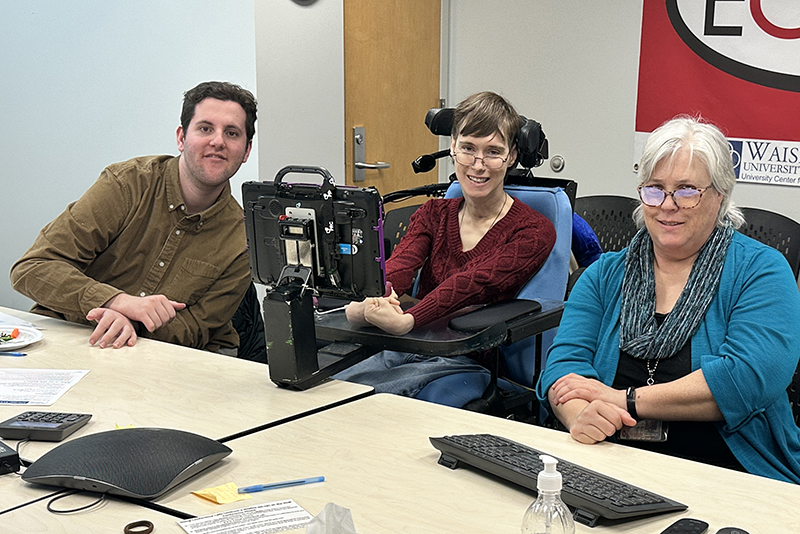
From Lived Experience to Leadership: Jack Hoselton’s Advocacy Journey with WI LEND
Jack Hoselton strives to improve society for people with disabilities. His own lived experience as a man with autism gives him an understanding of the disability world, its strengths and its challenges.
-
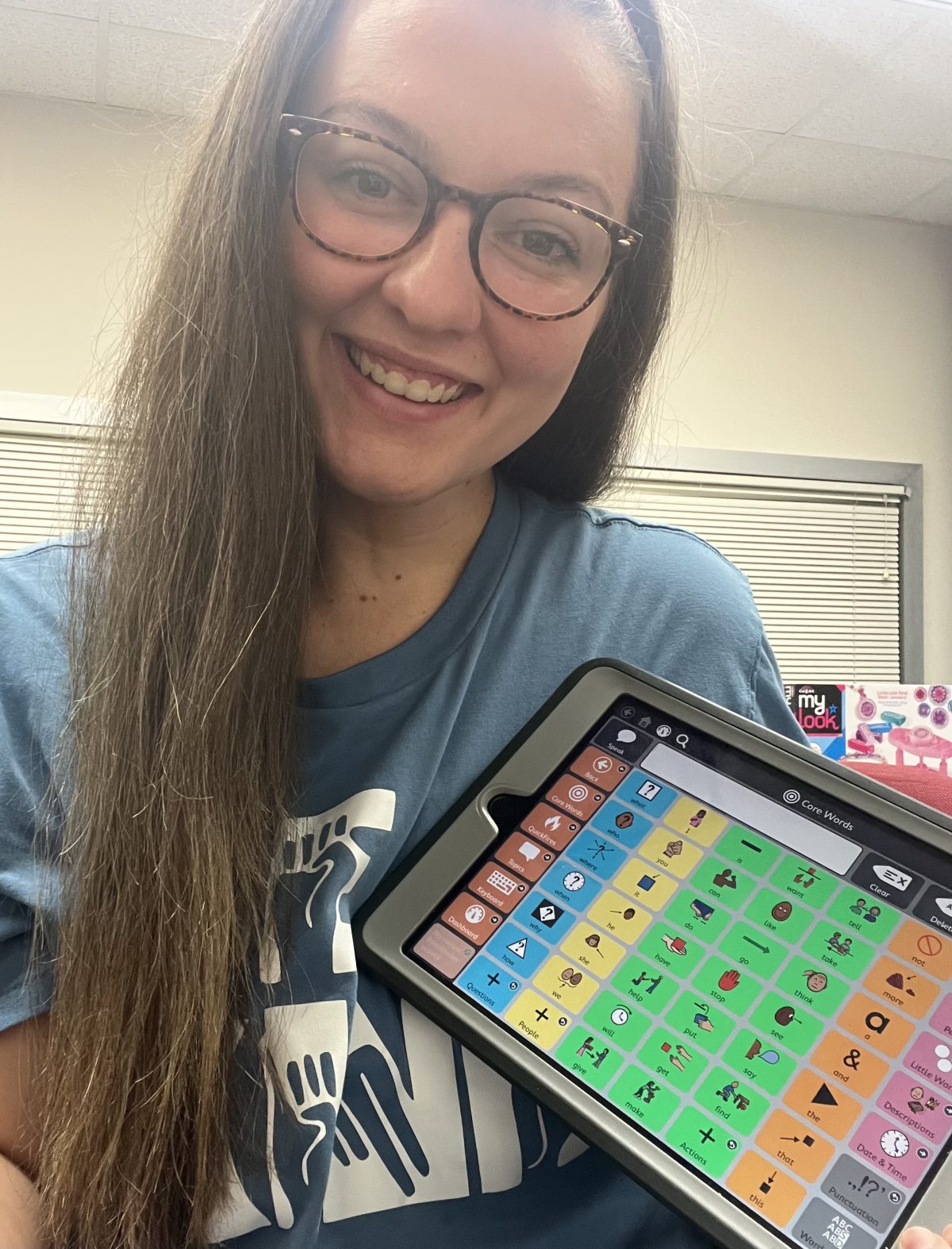
How LEND training shaped a Waisman CASC clinician’s approach to inclusive care and communication access
Becca Stroschein realized while volunteering as an undergraduate student at a non-profit for autistic adults, that she held a deep passion for helping others find a form of communication that works for…