
2024 News
-
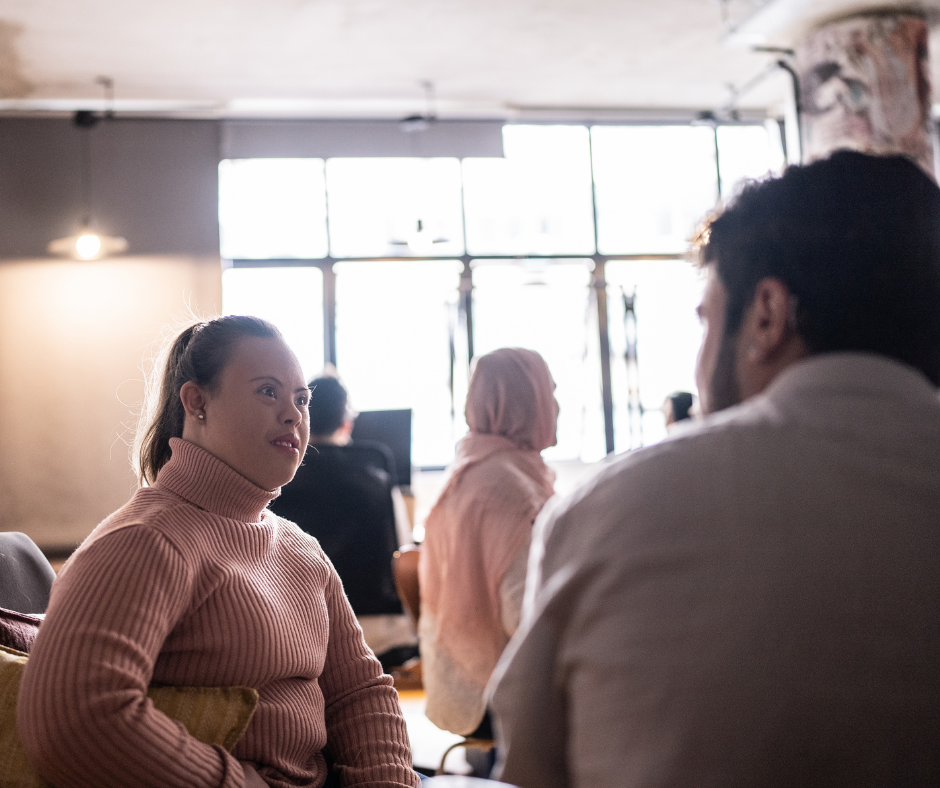
Hearing loss and cognition both play a role in speech recognition for young adults with Down syndrome
For young adults with Down syndrome, understanding speech is not only related to hearing abilities, but it may also be impacted by cognition.
-
Impact Report 2024: Introduction
Dear Waisman Community: For more than 50 years the Waisman Center has been at the intersection of discovery and hope – forging new paths in research and clinical care. One of our…
-
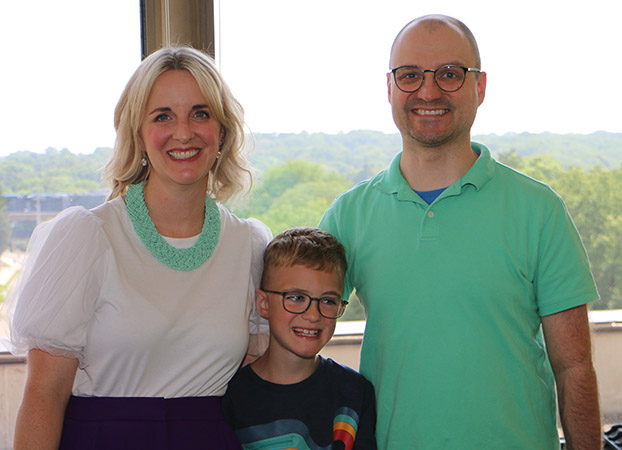
Advising research through the lens of lived experience: How individuals with disabilities and their families are shaping research
NOTE: Each individual interviewed for this story stated their preference between person-first or identity-first language. The language used reflects the preference of each person. Researchers interviewed use identity-first language in alignment with…
-
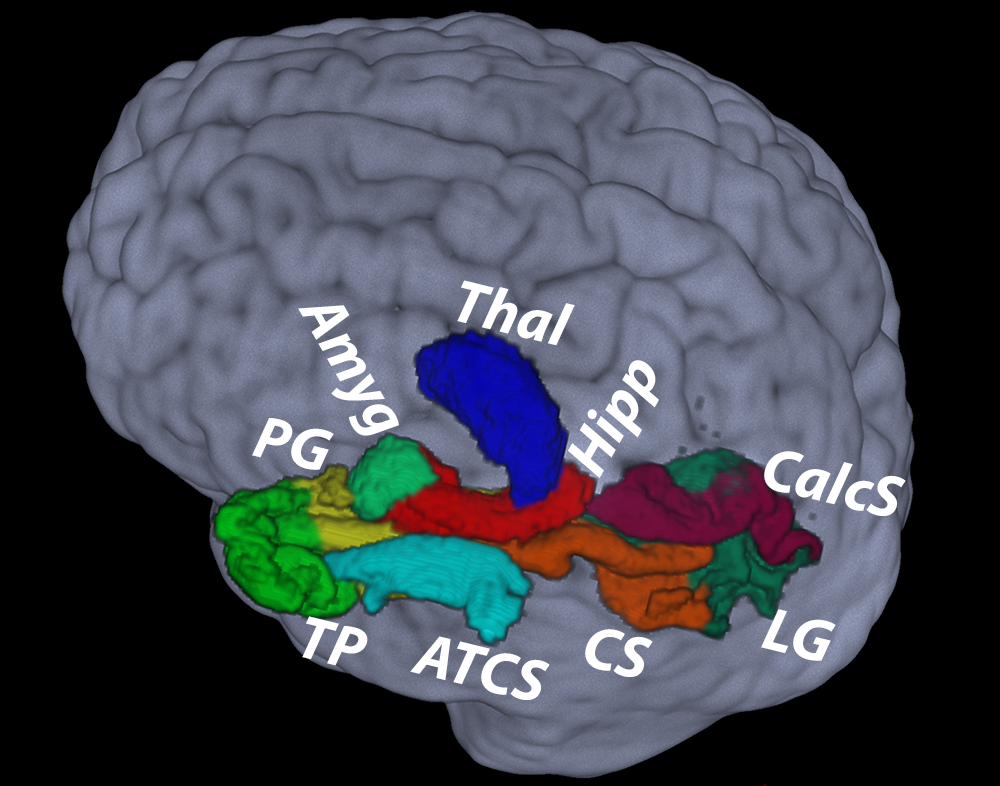
Memory impairment after severe traumatic brain injury in adolescents related to size and connectivity changes in the hippocampus and beyond.
Memory impairment as a result of a traumatic brain injury (TBI) has long been associated solely with the hippocampus, the brain’s learning and memory center. However, new research published in the journal…
-
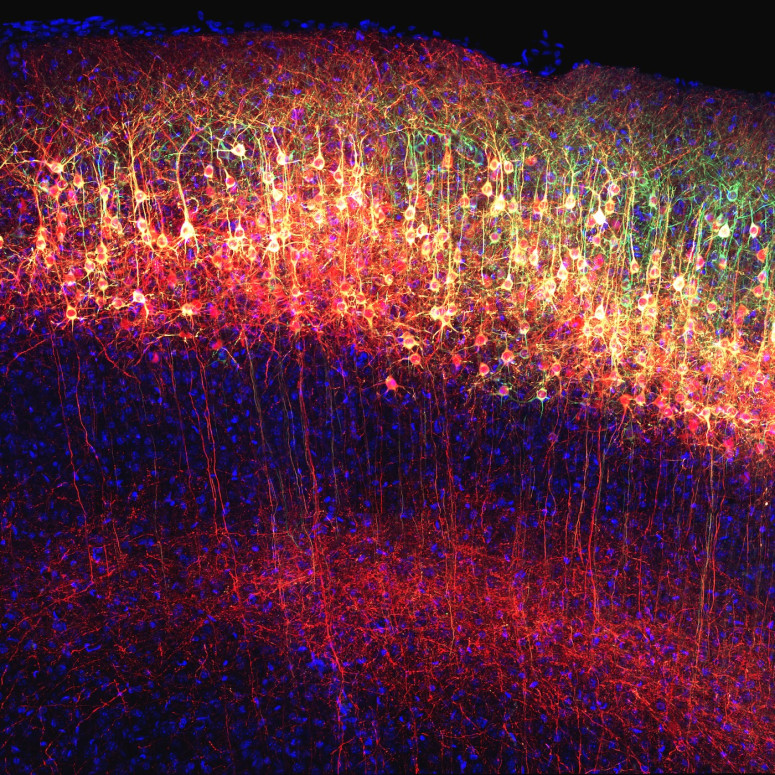
UW–Madison’s Cool Science Image Contest: Waisman winners
Matt Zammit, PhD, Waisman scientist in the Brain Imaging Core, and affiliate investigator Erik Dent, PhD, are both winners of UW–Madison’s Cool Science Image Contest.
-
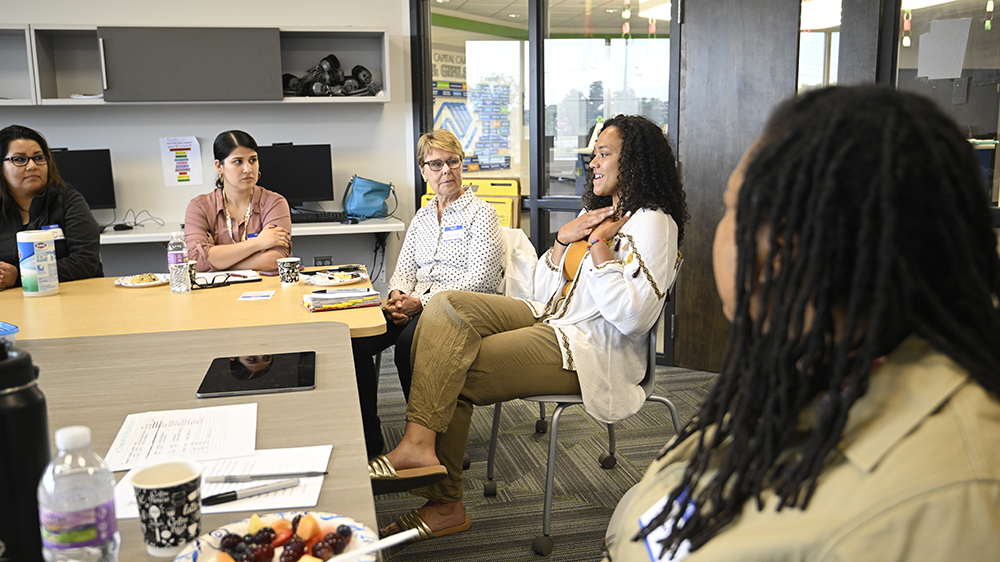
Planning ahead: The Wisconsin Integrated Transition Planning Project facilitates access to resources for youth with intellectual and developmental disabilities to plan for adulthood
A big part about turning 18 is planning ahead and setting yourself up for success in adulthood. Whether that be what to study, where to go to college, or deciding to start…
-
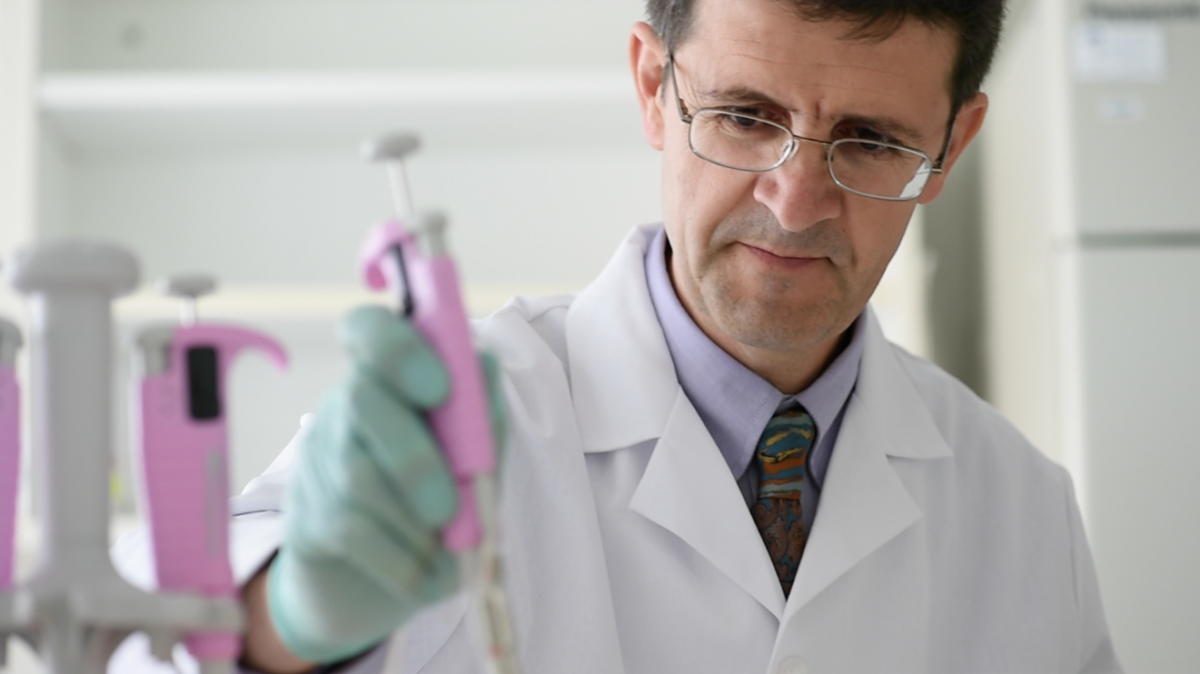
Taking out the trash: New study finds clearing specific cell “trash” is possible and may be target for future treatments of neurodegenerative diseases
Cells make a lot of trash. Probably more than you’d think. So, cells have a trash disposal system that efficiently cleans up and recycles any waste that is produced. But when there…
-
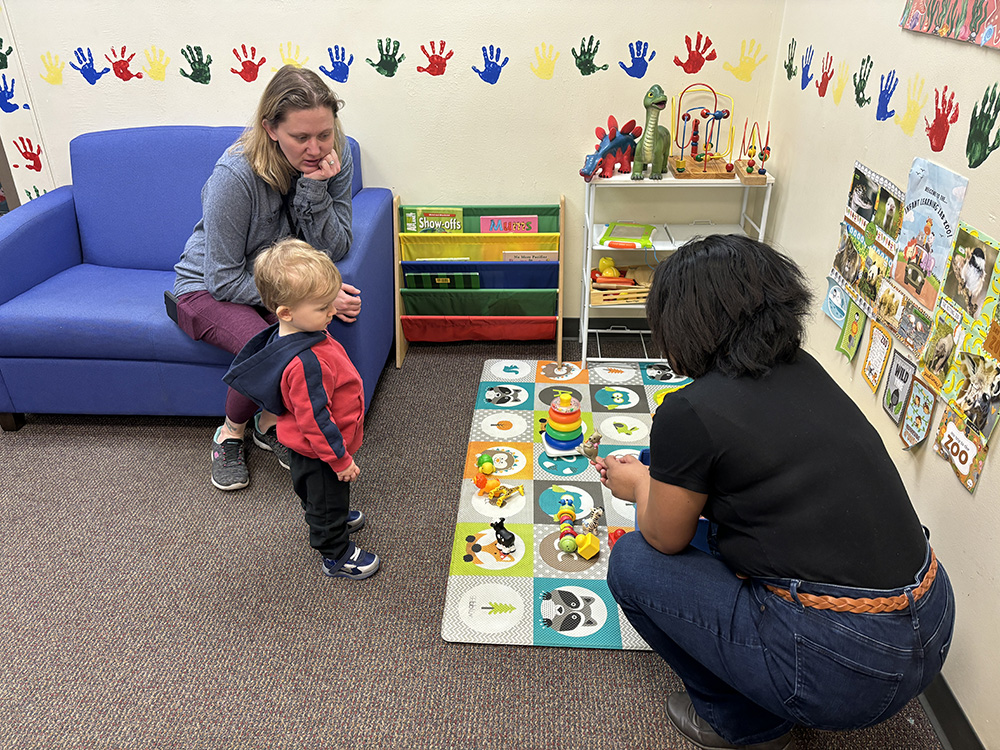
Behind the scenes of research participation at the Waisman Center: Infant Learning Lab
The lab focuses on studying how infants and young children learn language, learn the meaning of words, find patterns in language and track the properties of speech.
-
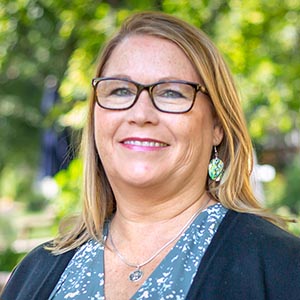
WECP announces new director
The Waisman Early Childhood Program recently announced that Teresa Hoveland will become the next director of the program. Hoveland is assuming the leadership role after Nancy Saevang, the current director, steps down…
-

Waisman Center investigators receive Kellett Fellowship and Romnes Award
Thirty-two UW–Madison faculty have been awarded fellowships from the Office of the Vice Chancellor for Research for 2024-25. The awardees span the four research divisions on campus: arts and humanities, physical sciences,…
-
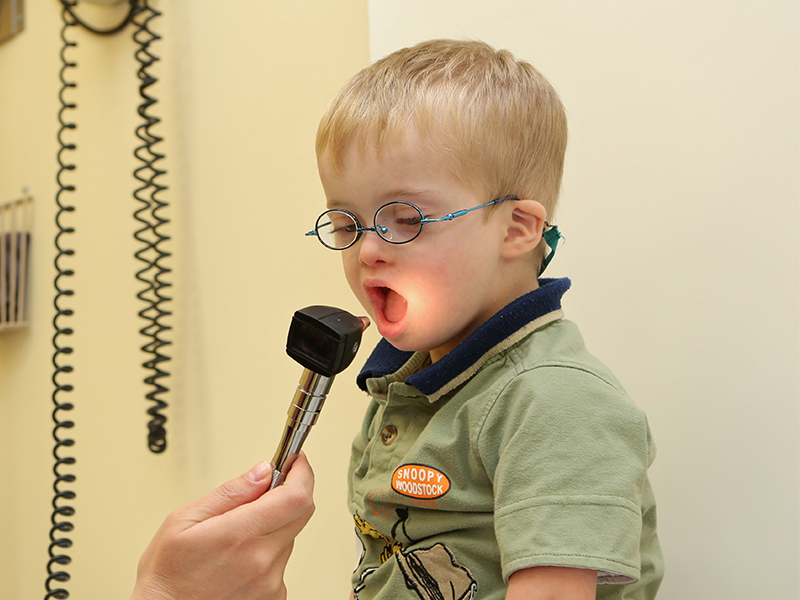
Waisman Center IDDRC funds three pilot projects on novel Down syndrome research
Three Waisman Center investigators and affiliates were awarded an internal grant to support Down syndrome research in its early stages. The funds were made possible through the Ann Dewey Down Syndrome Catalyst…
-
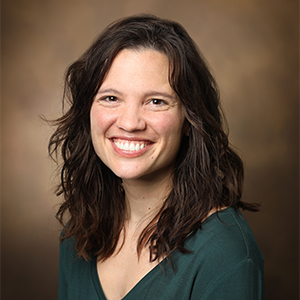
Waisman welcomes new Autism and Developmental Disabilities Clinic director
After an extensive national search, the Waisman Center is delighted to welcome Lily Wagner, PhD, BCBA, as the new director of the Autism and Developmental Disabilities Clinic.
-
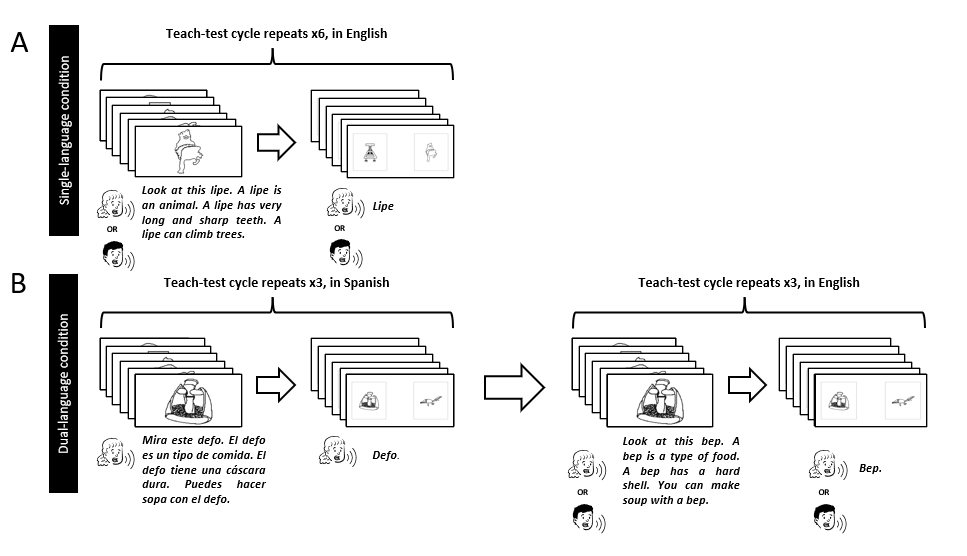
Research seeks strategies to optimize dual language learning in bilingual children
Bilingual children can be flexible in the ways they learn two languages simultaneously.
-
Fulbright takes Waisman worldwide: Three Waisman researchers awarded Fulbrights to expand research on a global scale
One Waisman Center investigator and two graduate students awarded Fulbright scholarships
-
Connecting Families: Waisman network helps families with special needs through peer support
Caring for someone with a disability is not a singular experience. It differs widely across families with different disabilities presenting their own joys and challenges. Creating spaces where families of individuals with…
-
The rippling effect of sharing knowledge: How Project ECHO is helping create better access to resources and supports for individuals with disabilities
Accessing services, resources, and knowledgeable physicians can be a challenge for the disability community. It is often the case that the resources and information needed to properly care for individuals with disabilities…
-
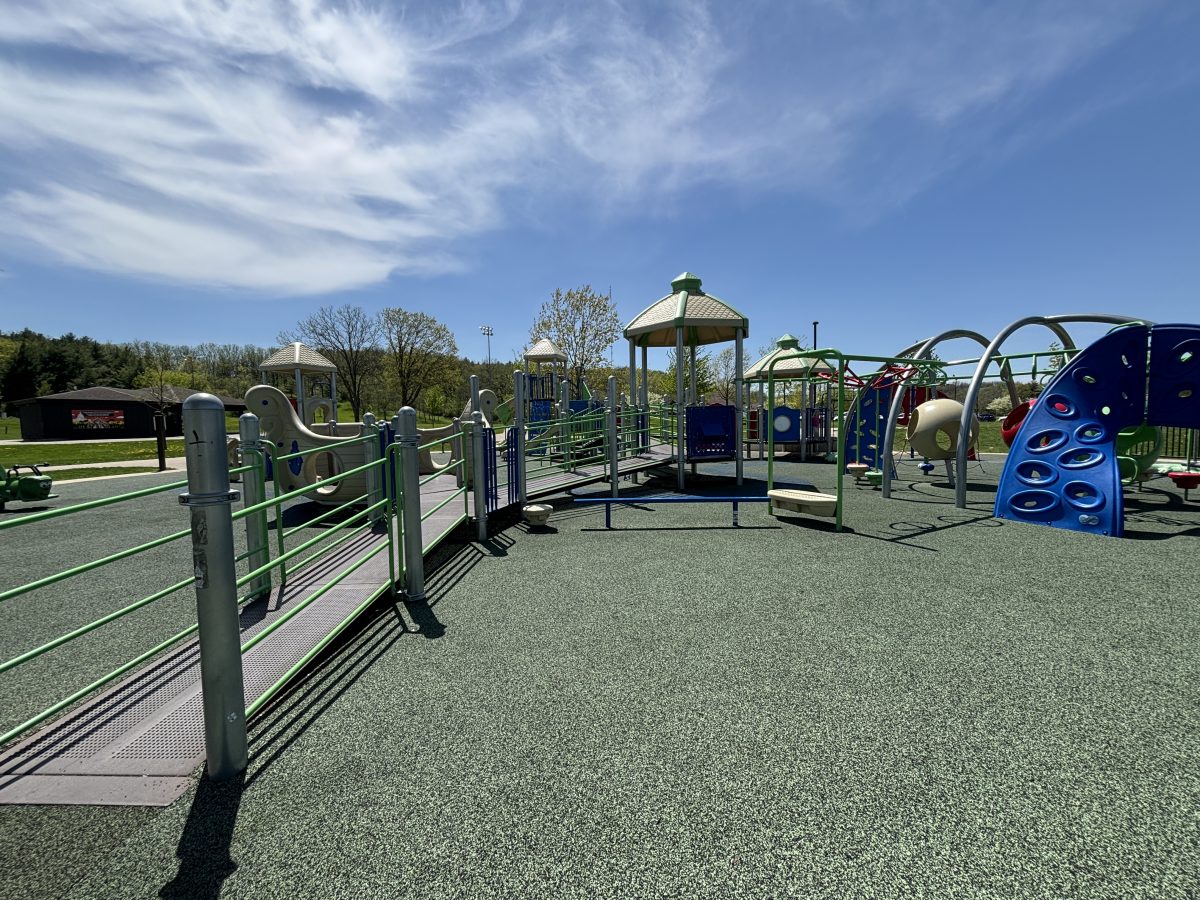
¡A movernos!: La actividad física puede ser desafiante, pero muy beneficiosa para las personas con discapacidades del desarrollo; algunas modificaciones pueden ayudar
Dicen que el movimiento es medicina y si bien la actividad física tiene tantos beneficios para todos, ¿qué haces cuando moverte es un desafío? Para algunos el desafío es el tiempo, para…
-
Let’s get moving: physical activity can be challenging but highly beneficial for individuals with developmental disabilities, a few modifications may help
Español By Charlene N. Rivera-Bonet | Waisman Science Writer The researchers interviewed for this story use identity-first language in alignment with the preferences of many of those in the autistic community. This story…
-
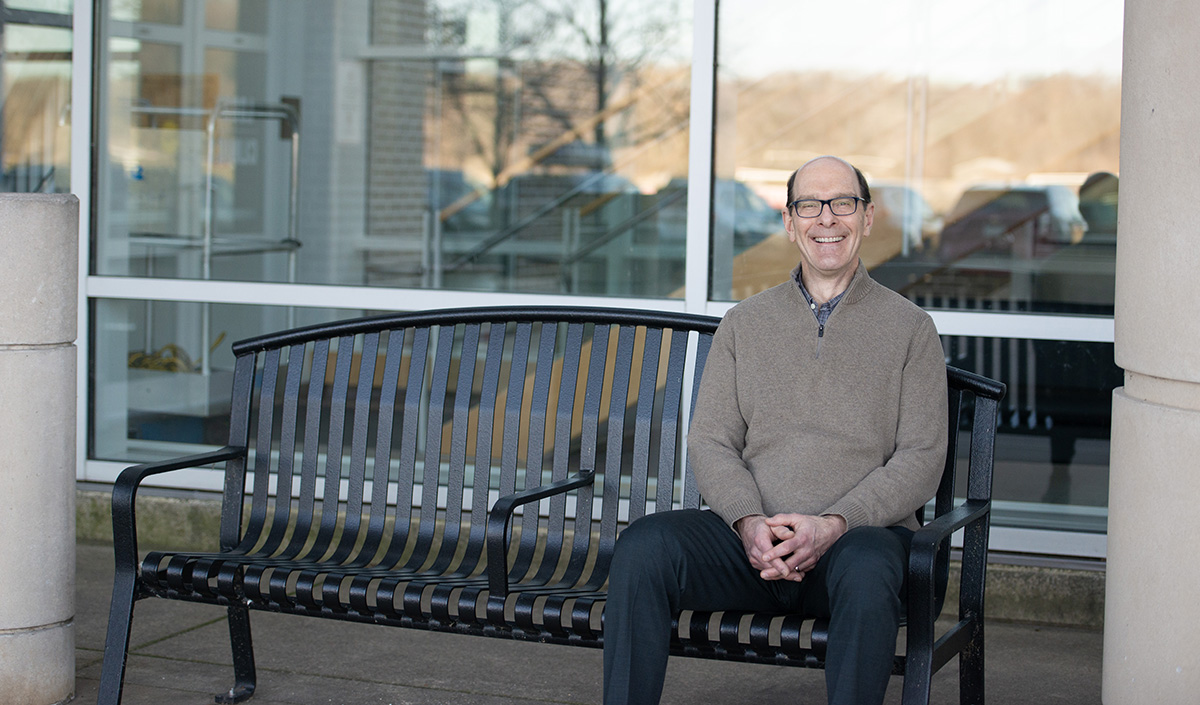
Physician, educator, mentor: After three decades at Waisman, Wargowski Retires
Wargowski, after three decades of providing exceptional patient care to hundreds of patients in the Medical Genetics Clinics at Waisman, is retiring at the end of June.
-
14 Hilldale Undergraduate/Faculty Research Fellowship recipients at Waisman
14 undergraduate students from the labs of Waisman Center investigators and affiliates were awarded the Hilldale Undergraduate/Faculty Research Fellowship, which includes a stipend for students and for their research advisors. Students will…
-
Kathleen Kastner selected for 2024 SMPH dean’s teaching award
Kathleen Kastner, MD, associate professor, Division of Developmental Pediatrics and Rehabilitation Medicine, and developmental behavioral pediatrician in the Waisman Center’s Autism and Developmental Disabilities Clinic and Newborn Follow-Up Clinic, was selected for…
-
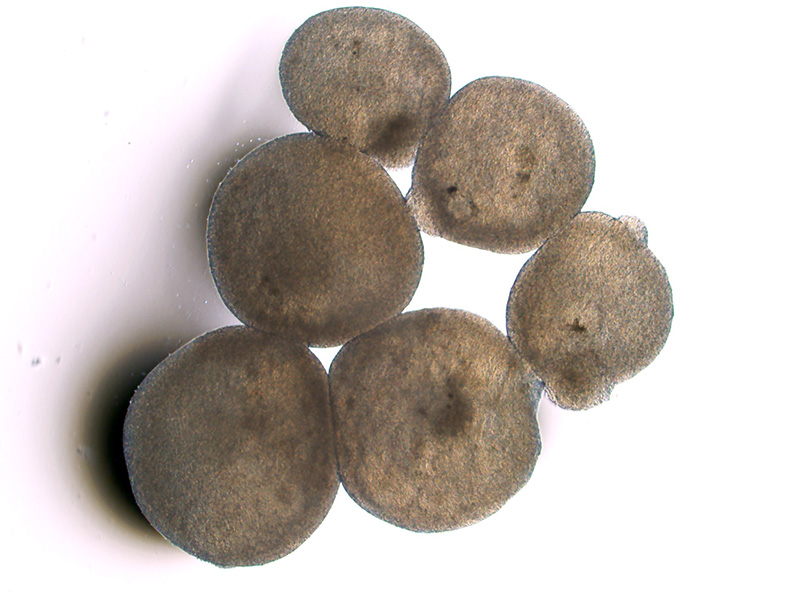
Organoids are becoming more popular in research, consistency in their use is needed for more accurate results
To the naked eye, they look like tiny blobs free floating in a pink liquid. Under a light microscope, they look similar. But organoids, a 3-D mini version of an organ grown…
-
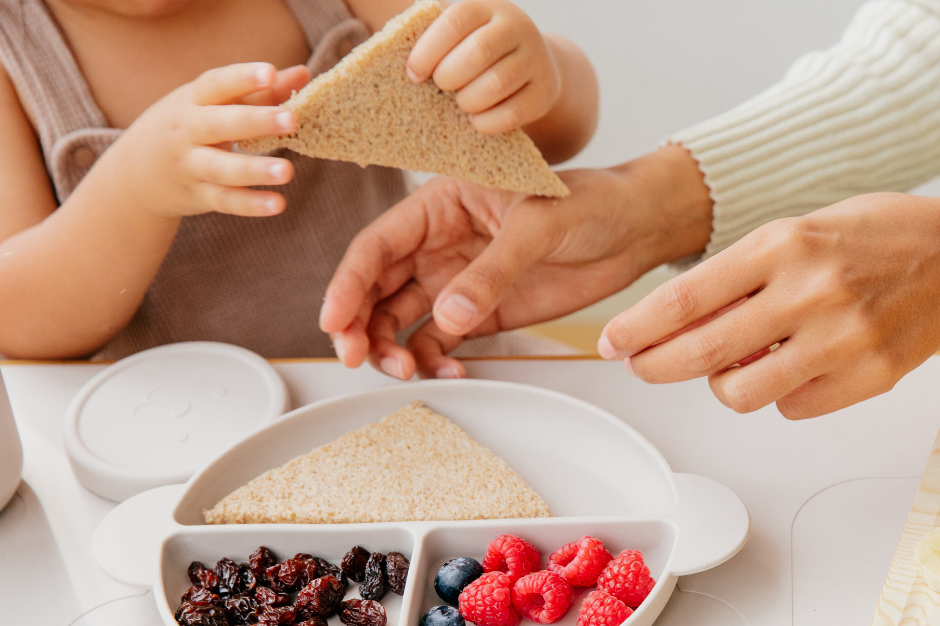
Early feeding challenges predict later feeding challenge’s type and severity in autistic children
Feeding challenges seen in an autistic child’s first few years can help predict the type and severity of feeding challenges the child may experience later on.
-
Meredith Vitaioli named new director of the Children’s Resource Center-South
The Children’s Resource Center-South (CRC) named Meredith Vitaioli as their new director in April.
-
Mentor award winners guide undergraduate learning
The nominations for this year’s recipients read like a textbook of great mentoring practices – meeting students where they’re at, getting to know them as scholars and individuals, and guiding their learning…
-
After three decades of diverse service in genetics practice and regional outreach, David Wargowski will retire
From his arrival at the Department of Pediatrics in 1990 and for the next 30-plus years, David Wargowski, MD, professor in the Division of Genetics and Metabolism, has served tirelessly, addressing genetically…
-
At UW–Madison, autistic students navigate personal, classroom obstacles
There are 99 UW–Madison students on the autism spectrum, according to the McBurney Disability Resource Center’s 2022-23 annual report.
-
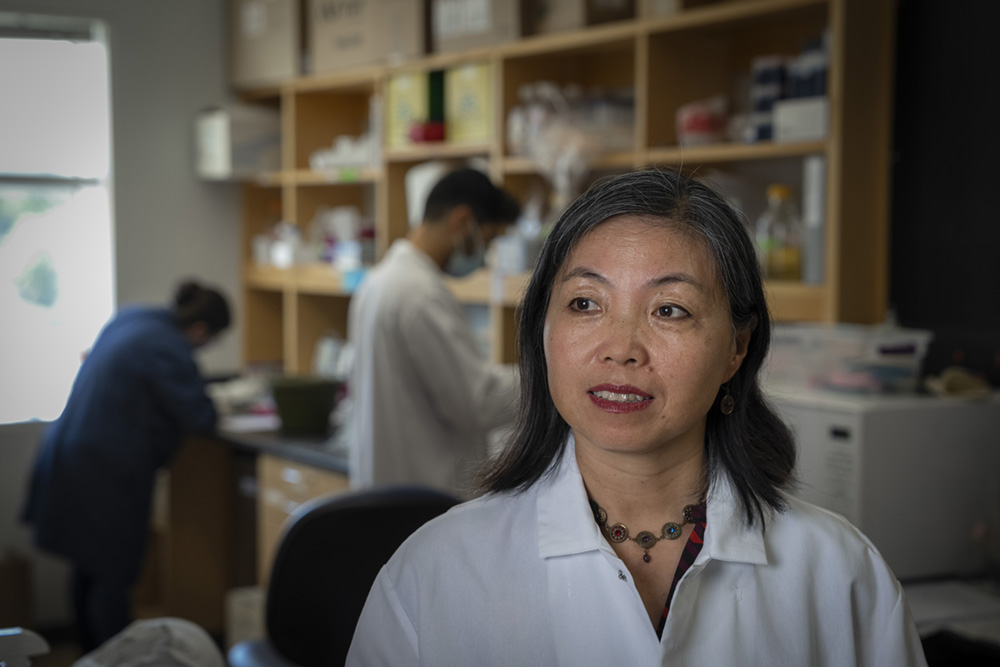
A new grant from the Eagles Autism Foundation will help advance Waisman research on the genetic cause of autism
Studying the biological underpinnings of autism is exceptionally complex with more than 1000 genes thought to be associated with autism.
-
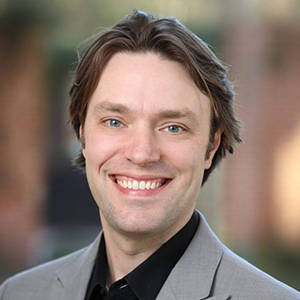
Waisman Center welcomes new affiliated investigator Justin Wolter
By Emily Leclerc, Waisman Science Writer The Waisman Center welcomes a new affiliated investigator Justin Wolter, PhD, assistant professor of medical genetics. Wolter comes to Waisman and UW–Madison from the University of…
-
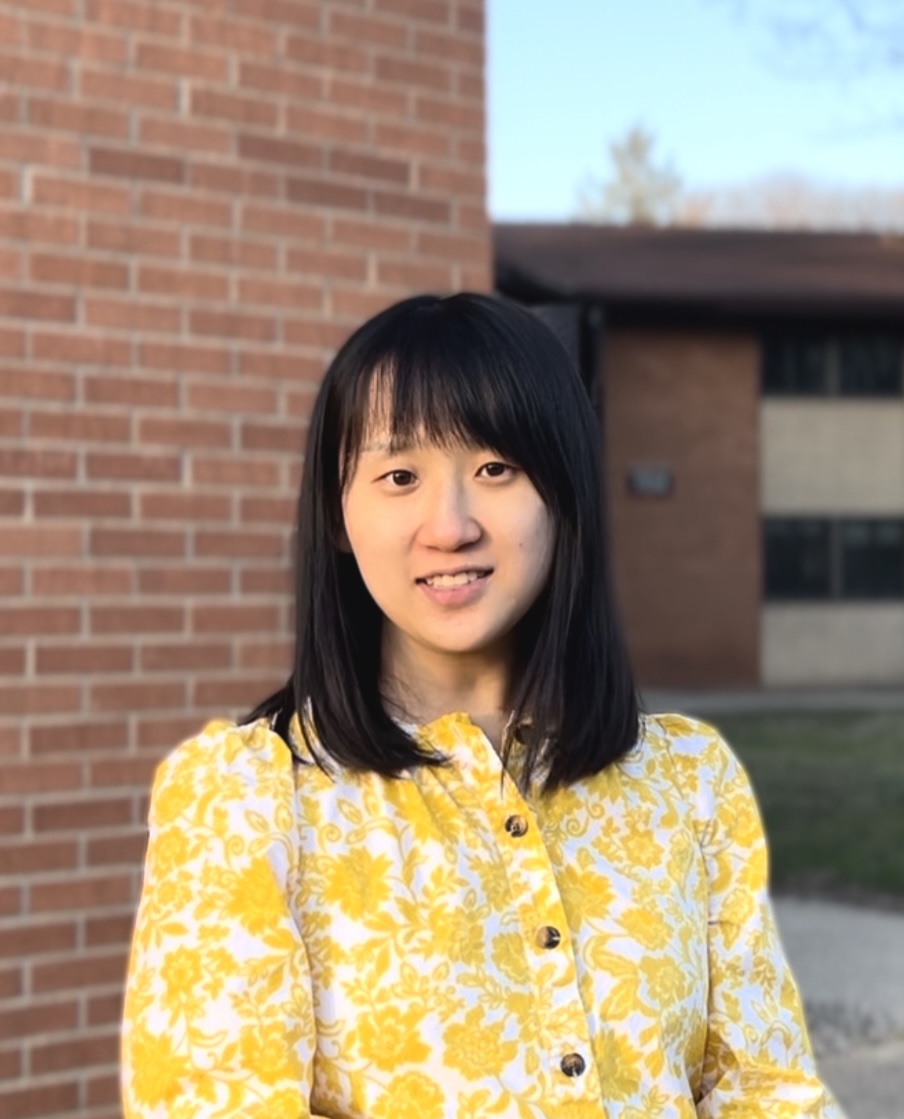
Waisman postdoctoral fellow receives prestigious Warren Alpert Distinguished Scholar Award
Yu (Kristy) Guo, PhD, a postdoctoral fellow in the lab of Waisman investigator Xinyu Zhao, PhD, professor of neuroscience, was recently selected to receive the prestigious Warren Alpert Distinguished Scholar Award.
-
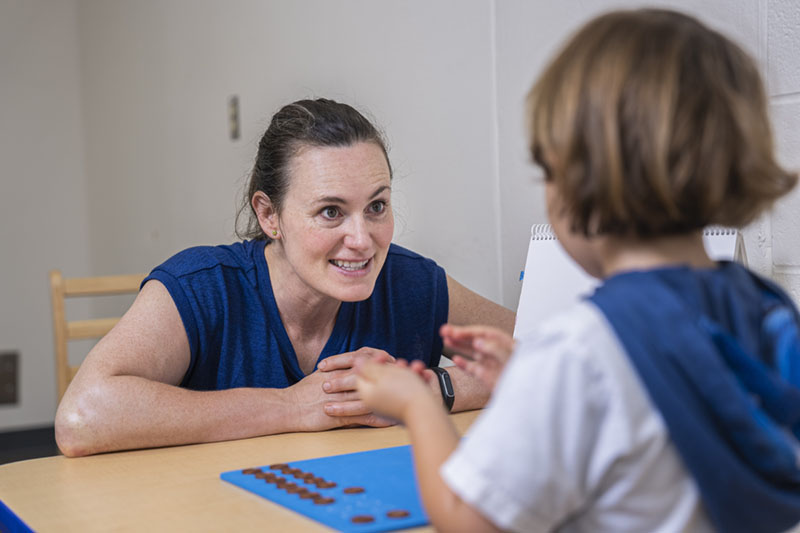
New research first to test 60-year-old theory on autism
Autism is often associated with complex tasks like social processing and language and the later-developing brain regions that control them. But what if autism is more rooted in the earliest developing and…
-

Childhood maltreatment leads to flattened cortisol rhythms in adolescence, a costly adaptation to an adverse environment
Adolescents who experience sustained childhood maltreatment show high, inflexible cortisol levels that persist throughout the day in different social contexts, a new study shows. This flattened cortisol rhythm may be a pathway…
-
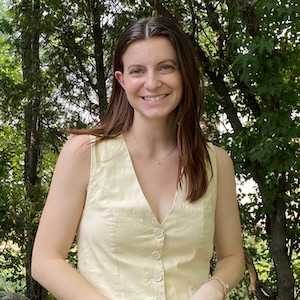
Graduate student receives teaching award
Brooke Sasia, who is a graduate student in Waisman investigator James Li’s lab, recently received the Early Excellence in Teaching Award.
-
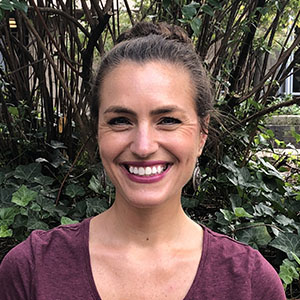
The Clinical Translational Core at the Waisman Center welcomes new manager Laura Bradley
The Clinical Translational Core (CTC) welcomed Laura Bradley, MS, as the new manager last October.
-
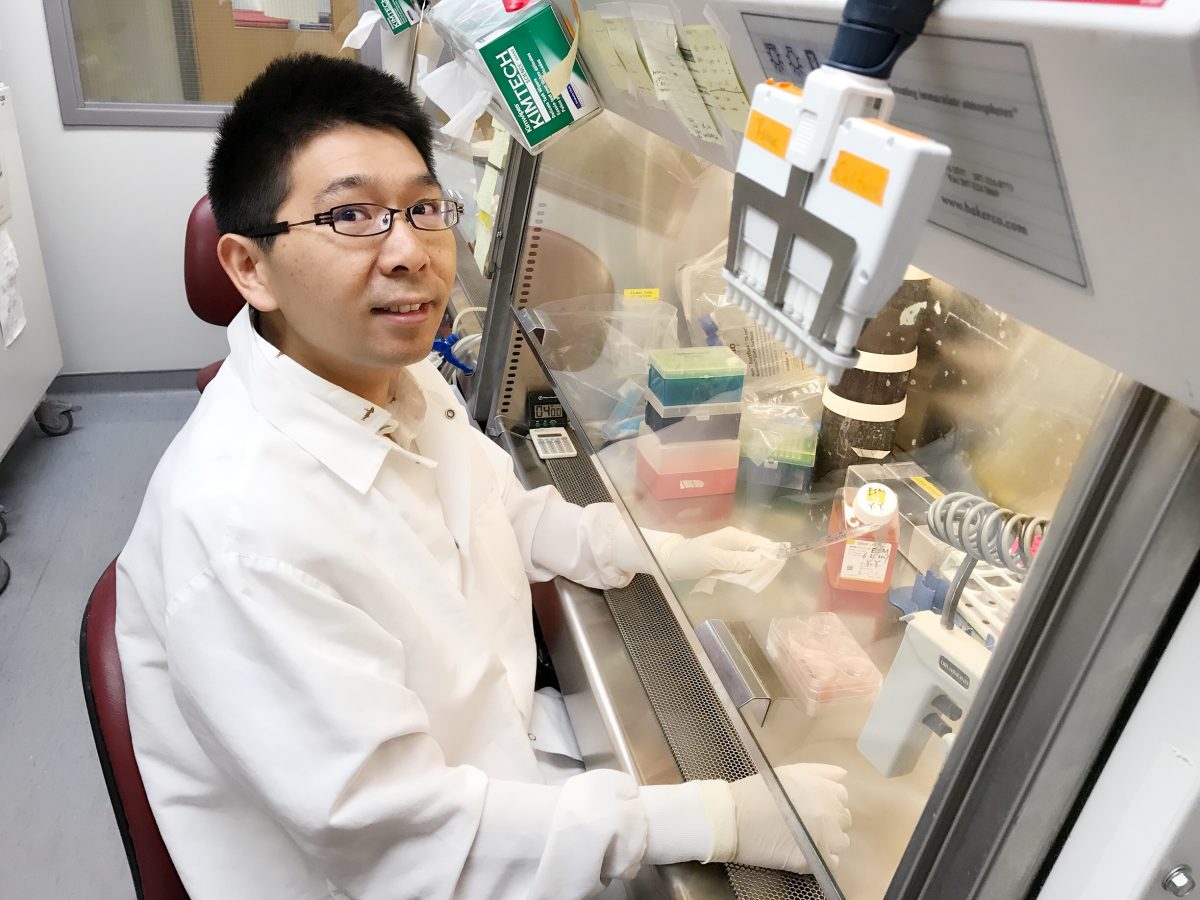
UW–Madison researchers first to 3D-print functional human brain tissue
A team of University of Wisconsin–Madison scientists has developed the first 3D-printed brain tissue that can grow and function like typical brain tissue.
-
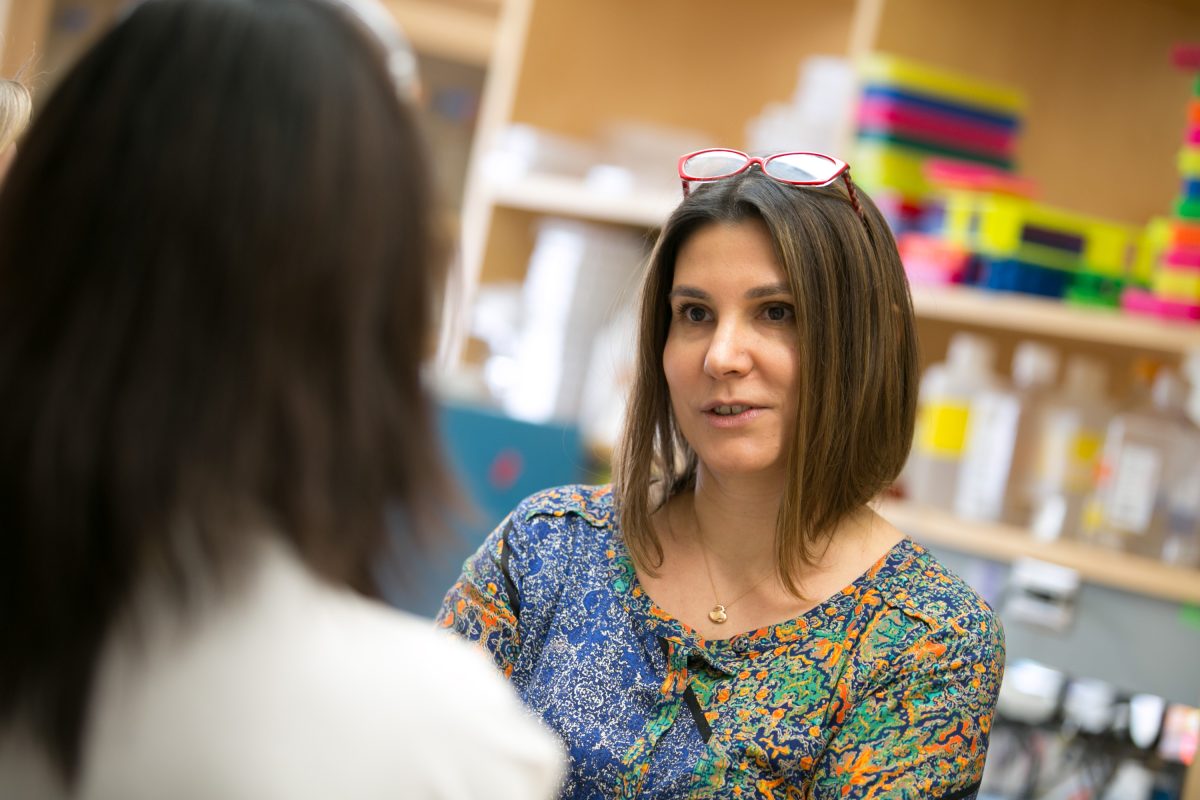
Estrogen receptor alpha mediates protection against hypoxic ischemic brain injury in newborn female mice, study shows
In her practice as a pediatric intensivist, Cengiz noticed that even with similar brain injuries, functional outcomes varied from child to child. “So, I began wondering what could be the potential mechanisms…
-
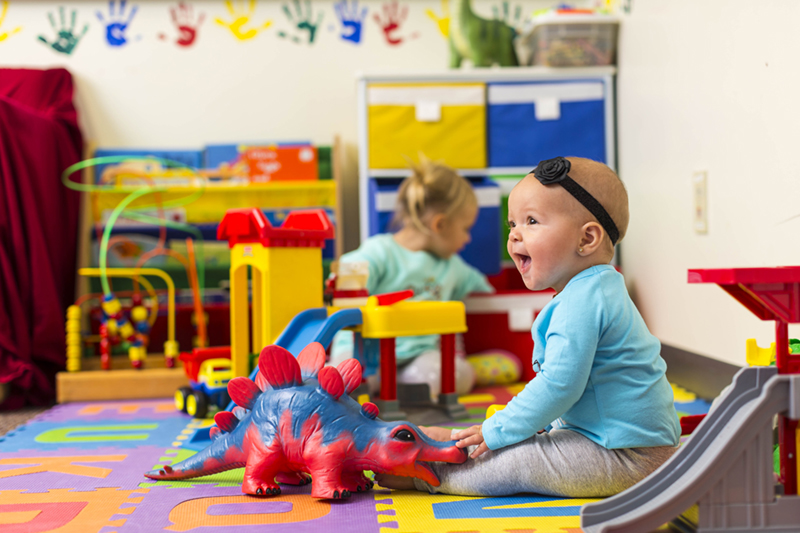
How physical environment shapes language learning in toddlers
The environment in which toddlers learn language may have a greater impact on word learning than previously understood.
-
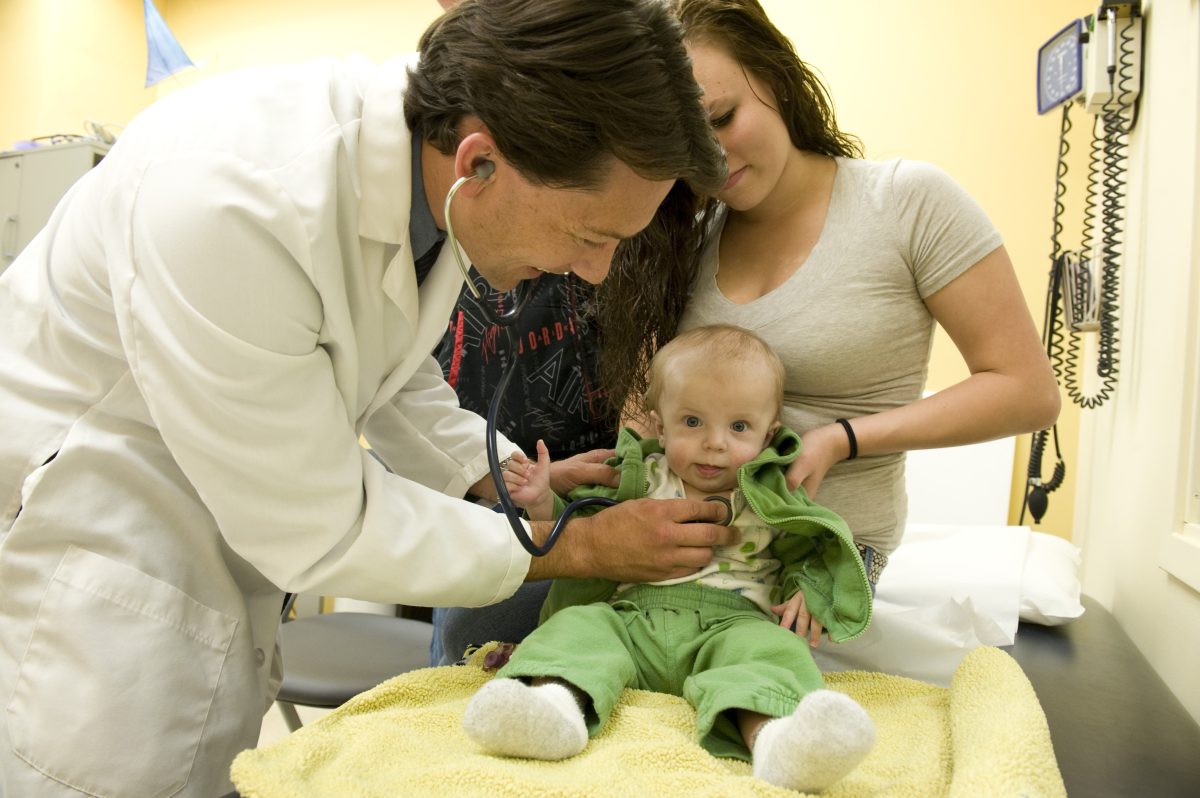
Researcher clinicians help bridge the gap between scientific discovery and medical care – Part 2
There is no one “typical” type of researcher clinician. There are differences in training, percentage of focus on research vs clinic, and type of research done. Many also carry teaching and administrative…
-
Researcher clinicians help bridge the gap between scientific discovery and medical care – Part 1
Research and clinical services go hand in hand. One can’t effectively work without the other.
-
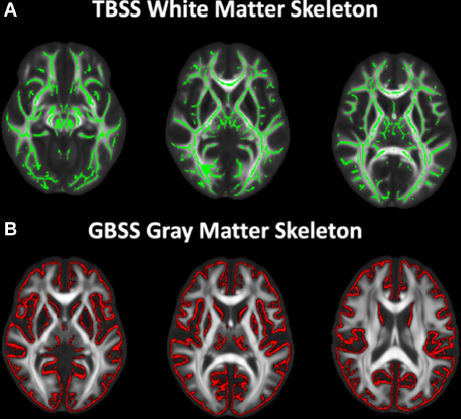
Study reveals differences in brain structure for older autistic adults
A recent study continues to add to the body of evidence that the brain structure of autistic individuals is different from the structure of neurotypical individuals.
Browse by Topic
- 50th Anniversary
- Alzheimer’s Disease
- Autism
- Awards and Honors
- Brain Imaging
- Cerebral Palsy
- Clinics
- Down Syndrome
- Epidemiology
- Español
- Fragile X Syndrome
- Friends of the Waisman Center
- Hearing Research News
- Mental Health
- Neurodegenerative
- Outreach
- Parkinson’s Disease
- PKU
- Research
- Service
- Speech & Language
- Stem Cells
- Training
- UCEDD
- Vision
- Waisman Biomanufacturing