
2016 News
-
2016: Year in review
We’re delighted to share a video highlighting many of the strides we have made over the past year. Your generous and thoughtful contributions help us continue to pioneer research and expand clinical…
-
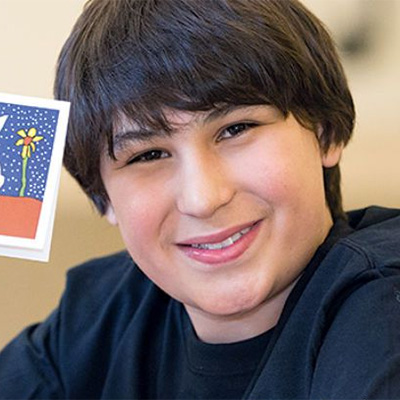
A kid. His cards. And a cause.
Diagnosed with autism when he was five years old, Giizhik learned to draw before he learned to speak. He poured his energy into turning the cartoons that fascinated him into a world…
-
Why do children with autism often have language delays?
Children diagnosed with autism spectrum disorder, or ASD, often have significant delays with expanding their vocabularies and other language skills compared to typically developing children. Yet, “we know very little about [language]…
-
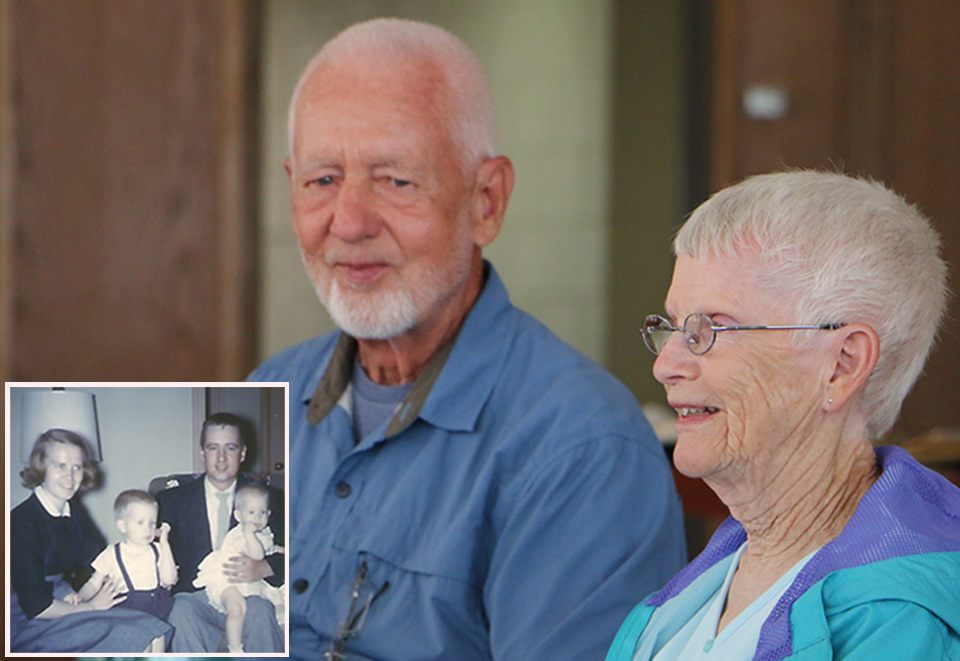
$1.25 million legacy gift will support brain injury research at the Waisman Center
A new legacy gift will help researchers and clinicians at the Waisman Center continue to search for ways to benefit individuals and families whose lives have been impacted by brain injuries and…
-
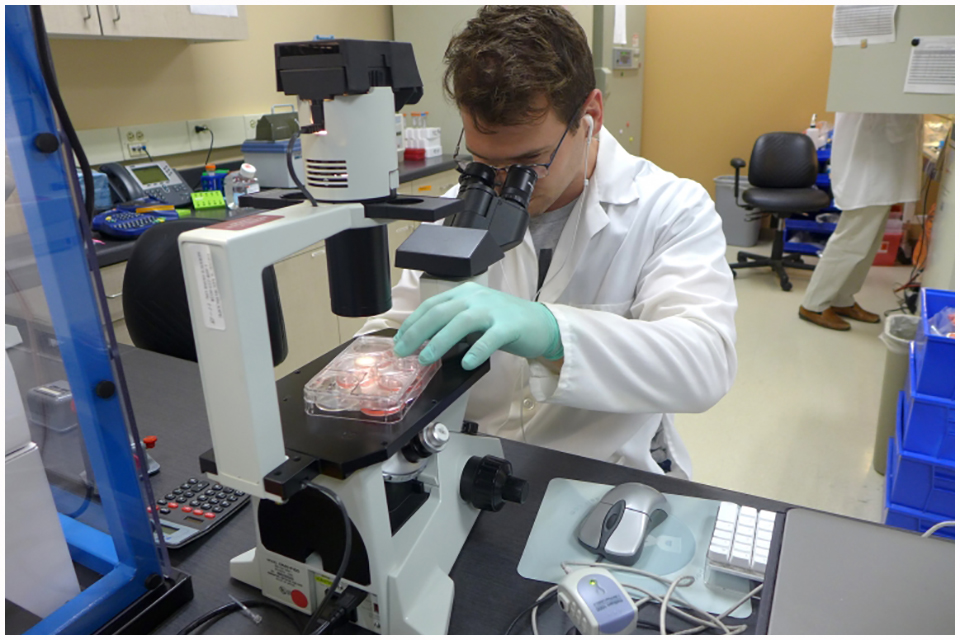
Brain cells by the billions
Leaders of the University of Wisconsin–Madison lab that first transformed human stem cells into brain cells have started a company that produces and sells specialized neurons to drug researchers. BrainXell develops neurons…
-
Innovations start up at Waisman
What do Night Owl Support Systems, the Trace Center, the Center for Healthy Minds, and Stratatech all have in common? The Waisman Center at the University of Wisconsin–Madison. Over the years, the…
-

Whirling the Waisman Way
What better way to spend a crisp fall day than to go on a three mile walk with your 6, 4 and 1-year old children AND raise funds to benefit individuals and…
-
Lighting up the search for a therapy for fragile X syndrome
Waisman Center researchers Anita Bhattacharyya and Xinyu Zhao are looking to make stem cells glow. That glow will tell them that they have successfully turned on a gene that is usually turned…
-
Study finds a key to nerve regeneration
Researchers at the University of Wisconsin–Madison have found a switch that redirects helper cells in the peripheral nervous system into “repair” mode, a form that restores damaged axons. Axons are long fibers…
-
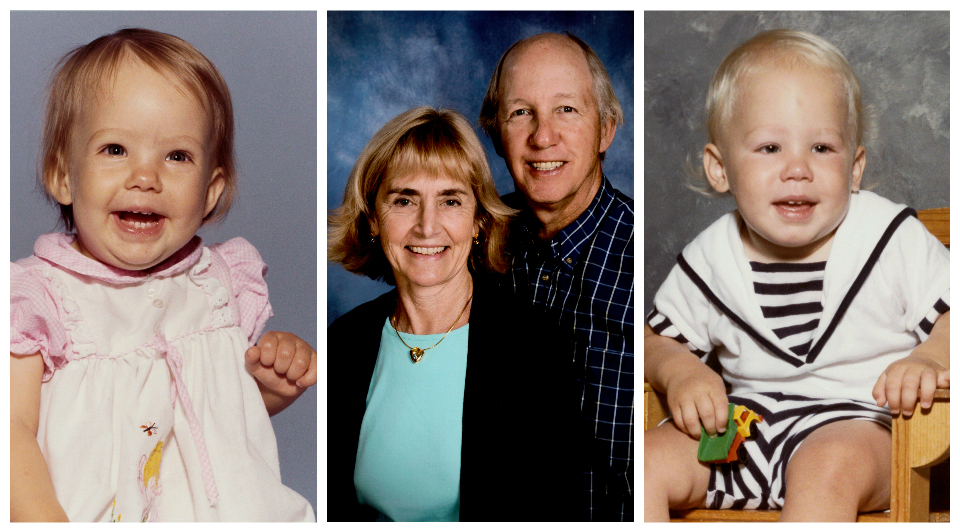
A rare gift: Family endows professorship in memory of children
In their photographs, Jenni and Kyle Geurkink look like happy, healthy children. Jenni has a captivating smile and a twinkle in her eyes. Kyle is a sturdy toddler who loves brooms, mops…
-
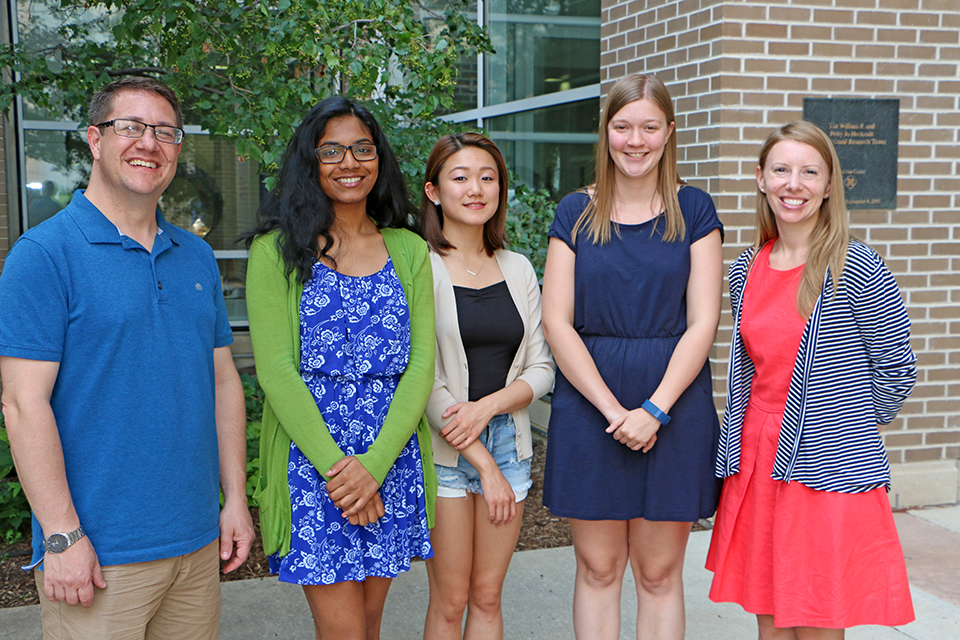
Summer research: From Appleton to Madison
This summer, three students from Lawrence University exchanged the Fox River for Lake Mendota and became temporary Badgers. They were part of a pilot program designed to provide Lawrence undergraduates the opportunity…
-
A case of (peripheral) nerves
Every day, Waisman Center researcher John Svaren deals with nerves – peripheral nerves, that is. Peripheral nerves connect the brain and spinal cord to our limbs and organs, serving as vital communication…
-
Waisman researchers part of several UW2020 awards
Several research and infrastructure projects featuring Waisman Center researchers as the primary or co-investigator have been selected for the second round of funding through the UW2020
-
Background noise may hinder toddlers’ ability to learn words
The environments children are in, including how much and what kinds of stimulation they are exposed to, influence what and how they learn. One important task for children is zeroing in on…
-
A new whey to manage PKU
Food products made from a specific protein found in whey can safely be part of a more palatable diet for individuals diagnosed with phenylketonuria (PKU), according to a new clinical trial led…
-
New CDC funding will expand knowledge about children with autism spectrum disorder
The Waisman Center is one of only six institutions across to country to be awarded a SEED grant by the Centers for Disease Control. SEED is one of the largest studies in…
-
Early environment can change your brain
Seth Pollak, PhD, Waisman Center investigator and professor of psychology at the University of Wisconsin–Madison, was recently featured in a story about how childhood poverty can influence brain development and hinder success…
-
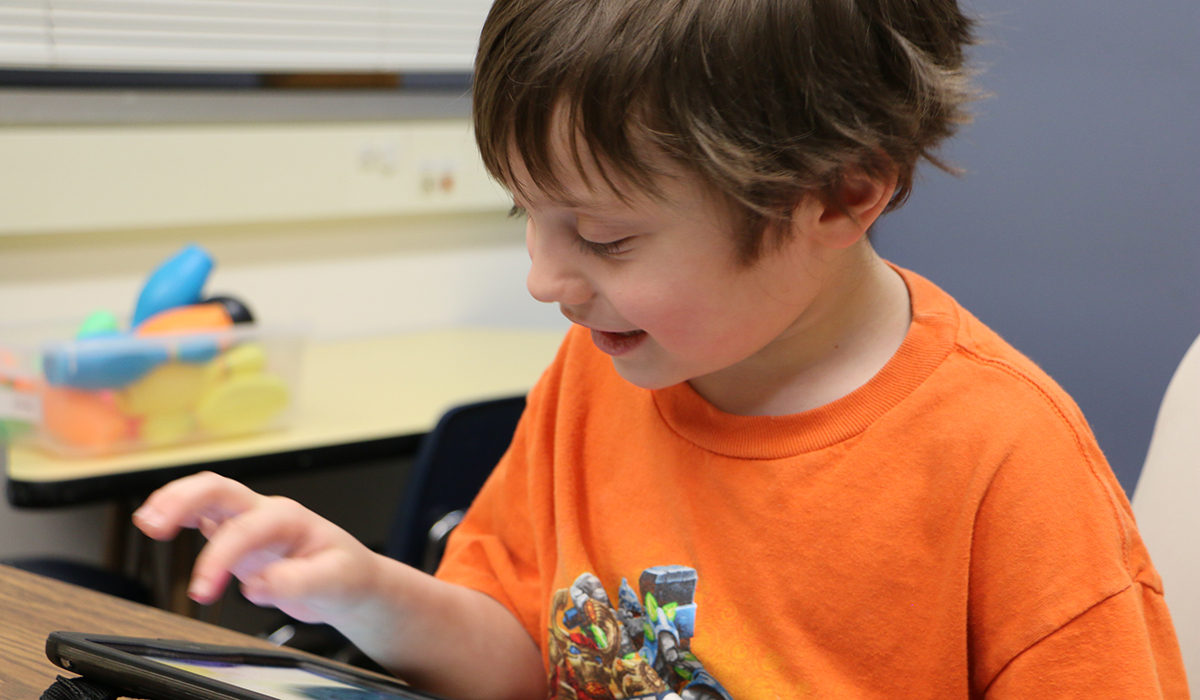
When the words did not come
Luke Holzem sped from door to door, his orange t-shirt transforming him into a bright blur of 6-year-old energy. His grey-green eyes sparkled and he looked expectantly at his mother, Shannon. The…
-
A bone to speak and to swallow
Only one out of the more than 200 bones in our bodies is free-floating, with no local attachment to other bones, but it’s no freeloader. The hyoid bone is located in the…
-
Autism treatment offerings expand in Madison
An increase in the number of children diagnosed with autism, and a state mandate for insurance coverage of autism treatment, has led to an expansion of autism treatment services in the Madison…
-
Waisman Center awarded Evjue grant to expand Day with the Experts series
The Evjue Foundation, the charitable arm of the Capital Times, has awarded the Waisman Center $8,000 to expand the accessibility and reach of its free, community-oriented Day with the Experts series. The…