
2018 News
-
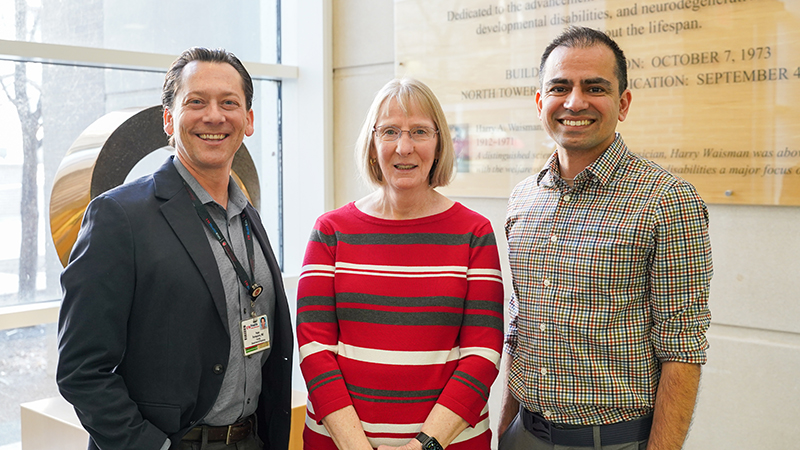
Pediatric Brain Care Clinic’s multidisciplinary staff addresses acquired brain injuries from a wide range of causes
Every Thursday afternoon, the Pediatric Brain Care Clinic is open in the Waisman Center to see pediatric patients with acquired brain injuries, many recently discharged from time spent in the American Family…
-
Waisman Center 2018: Year in review
We’re delighted to share a video highlighting many of the strides we have made over the past year. Your generous and thoughtful contributions help us continue to pioneer research and expand clinical…
-

Ritalin drives greater connection between brain areas key to memory, attention
We know enough about methylphenidate – more commonly known as Ritalin – to prescribe it to mediate attention challenges. However, UW researchers aided by Waisman scientists are taking the first steps toward…
-
Black youths less protected from antisocial behaviors than white peers
Black youths are overrepresented in the criminal justice system. Yet, says University of Wisconsin–Madison Psychology Professor James Li, they are underrepresented by research studies examining the behaviors that can lead them there,…
-
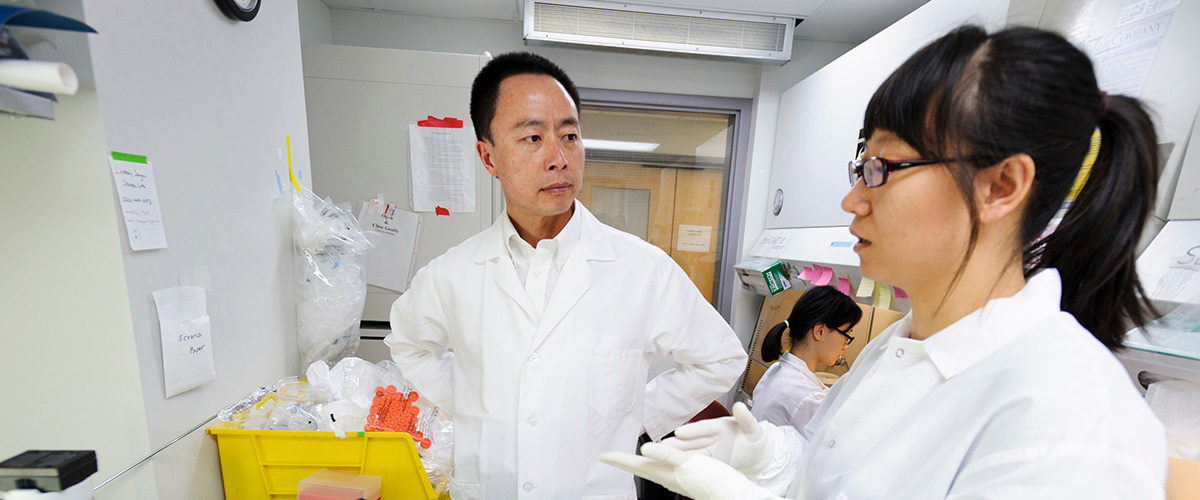
Five questions for Su-Chun Zhang, forger of stem cells
Su-Chun Zhang, a Waisman Center investigator, was the first person in the world to craft human brain cells both from human embryonic stem (ES) cells and later from induced pluripotent (iPS) cells. In…
-
New gift to support research and training
A new estate gift will help support research and expand undergraduate and graduate student training in the area of intellectual and developmental disabilities at the Waisman Center. This significant gift – more…
-
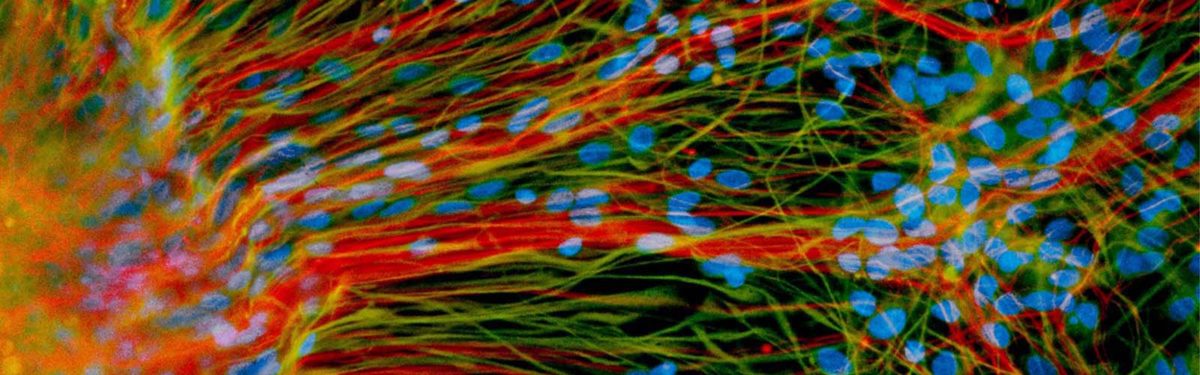
STEM CELLS @ 20
Twenty years ago, a seminal discovery by researchers at UW–Madison introduced stem cells to the world. Since then, this new tool has transformed science and opened new doors for translational research. Stem…
-
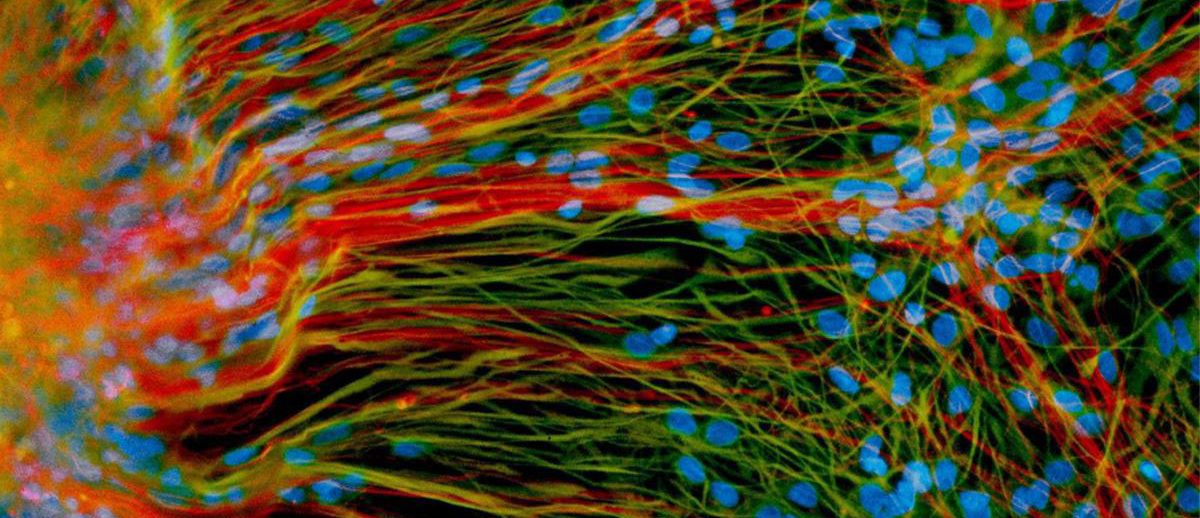
Small miracle: Stem cells drive research and entrepreneurship in Madison
From five examples of human embryonic stem cells in 1998 to 1,364 different lines of stem cell cultures today, the field of stem cell research has come so far in the past…
-
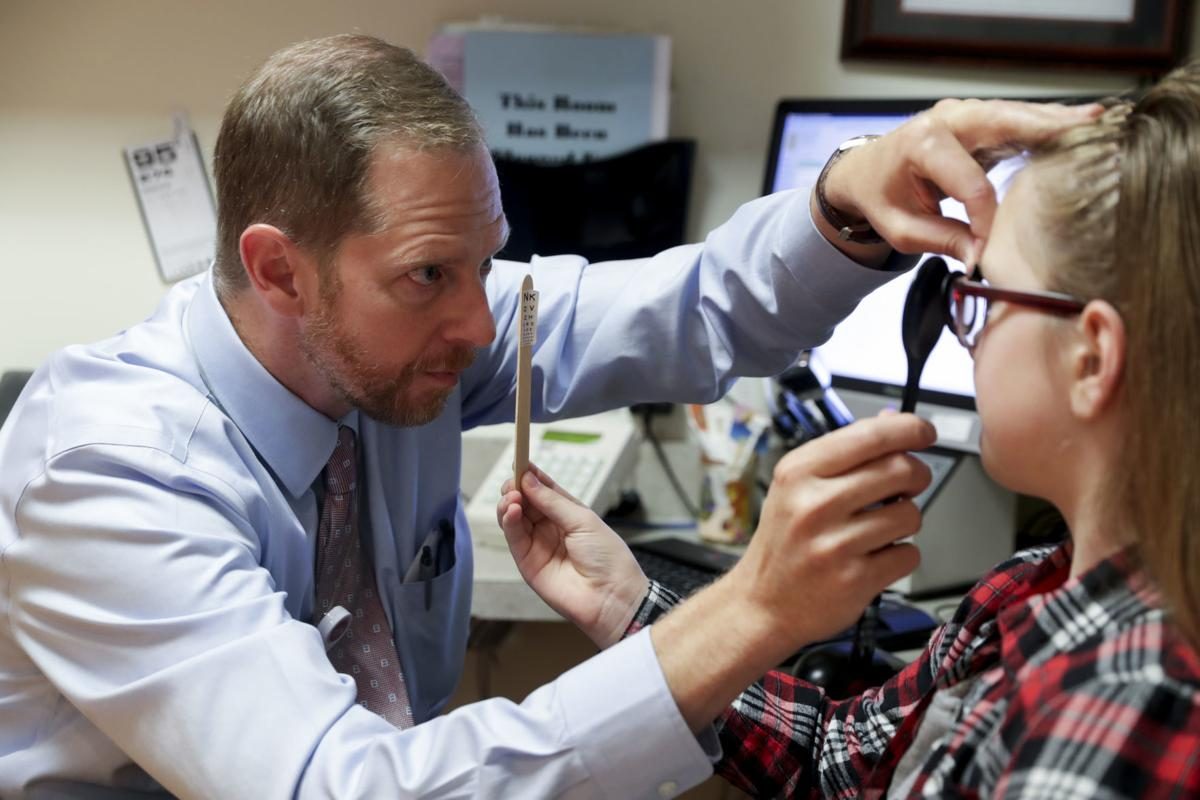
UW researcher using stem cells to create ‘spare part’ for blindness
To mark the 20th anniversary of the stem cell discovery at UW–Madison, the Wisconsin State Journal featured a series of stories on stem cell research, highlighting the work of Waisman Center investigators…
-
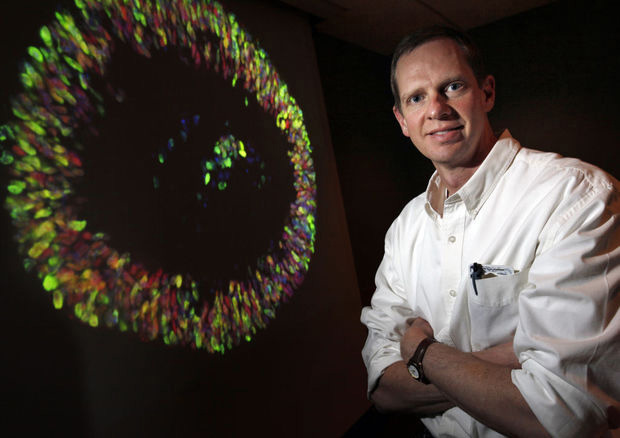
Years after promise of stem cells seemed to be fading, clinical trials underway
A story in the Milwaukee Journal Sentinel reflects on the history of stem cells and its future direction. Two decades after the first stem cell breakthrough, the promising biological discovery is beginning…
-
Families navigate an autism diagnosis with interventional services, networks
Waisman Center social workers Paola Perez and Erin Thomson were featured guests on the Larry Meiller Show on Wisconsin Public Radio’s the Ideas Network. Perez and Thomson discussed a broad range of…
-
Mutation in common protein triggers tangles, chaos inside brain cells
In a study published today, Waisman Center investigators Su-Chun Zhang, Albee Messing and colleagues point to new understandings of the broad range of effects that result from the GFAP mutation impacting astrocytes…
-
Giizhik, young artist with autism, featured on WPT’s ‘Wisconsin Life”
Wisconsin Public Television’s Wisconsin Life recently featured Klawiter, a young artist with autism, who for the past decade has been designing and selling holiday cards across Sawyer County, raising awareness for autism…
-
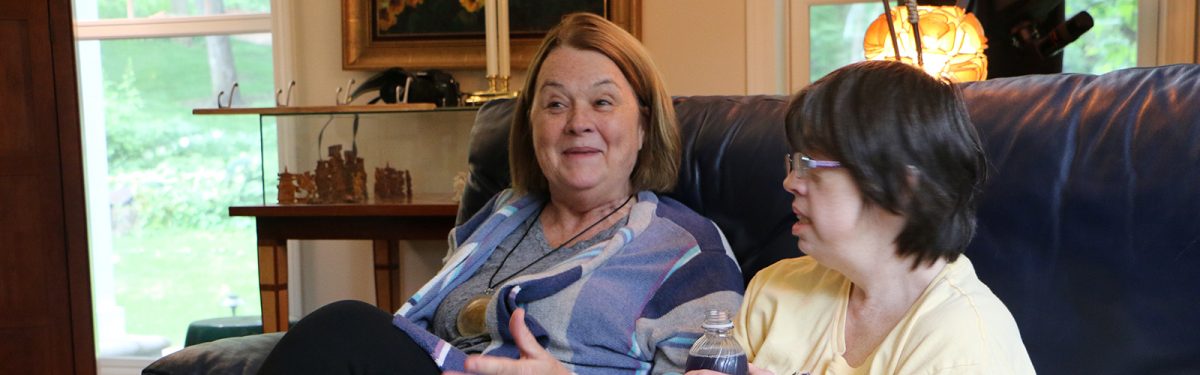
Studying Alzheimer’s disease in individuals with Down syndrome
About once every year and a half, Erin Harvey takes time off of her job as a teacher’s aide and along with her mom, Nancy, makes a two and a half hour…
-
Scientists seek to improve quality control for genome editing therapies in the eye
Waisman Center investigator David Gamm, MD, PhD, and affiliate Krishanu Saha, PhD, are part of a team of scientists at the University of Wisconsin- Madison who were recently granted a major award…
-
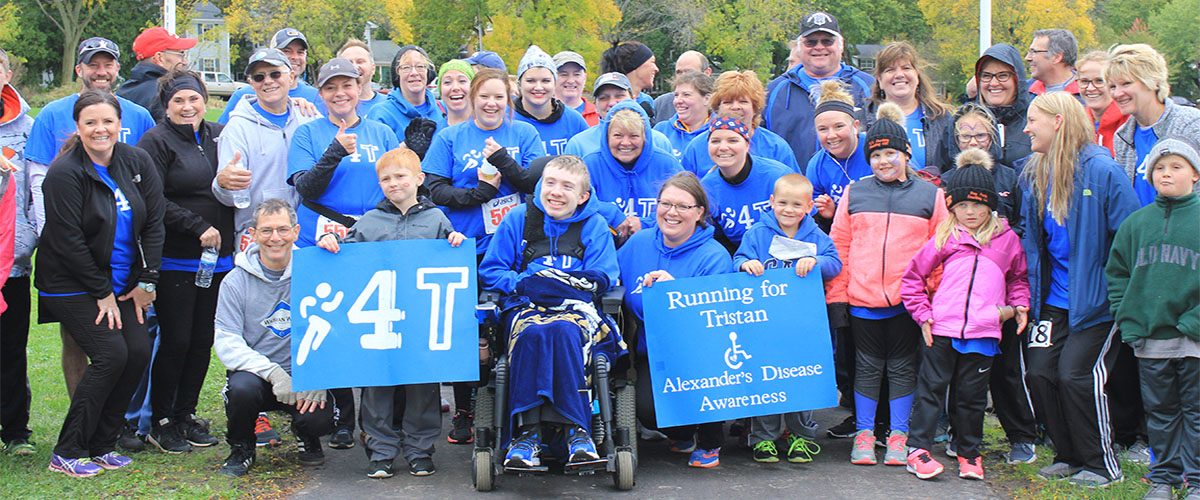
Whirling the Waisman Way with Team Tristan
Picture a crisp October morning in Madison, Wisconsin – the bright colors of fall leaves, mists over the blue waters of Lake Mendota and – on one Sunday (the 14th this year)…
-
Twenty years of stem cells
In 1998, UW–Madison developmental biologist James Thomson introduced the world to the first laboratory-derived human embryonic stem cells. Twenty years later, UW–Madison remains at the forefront of stem cell research. The Waisman…
-
Blockages in nerve-cell protein ‘factory’ implicated in neurodegenerative disease
Research by Waisman affiliate Jon Audhya shows new insight into the molecular basis underlying the neurodegenerative condition, hereditary spastic paraplegia (HPS). His recent study shows how a mutation in the TFG gene–one…
-
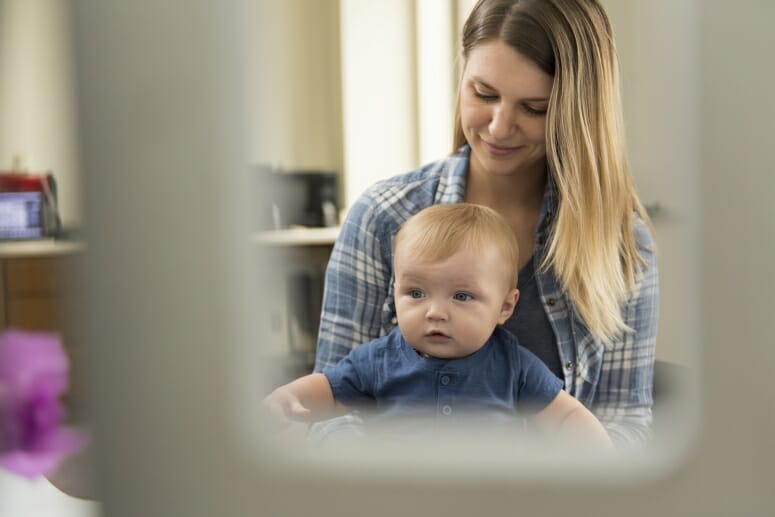
Mental health in pregnancy may affect development of newborns’ brains
By Marianne Spoon, UW Communications Many factors can influence the development of a baby during pregnancy and after birth, but until recently, researchers knew little about the relationship between an expectant mother’s…
-
Researchers unveil new strategy to correct for motion during MRI scans
Individuals undergoing a magnetic resonance imaging (MRI) scan often need to minimize movements for up to 10 minutes at a time to maximize scan quality. That can be challenging for many people.
-
Expecting to learn: Language acquisition in toddlers improved by predictable situations
In an upcoming study in Current Biology, published online Aug. 16, researchers at the Arizona State University Department of Psychology and the Waisman Center report a factor that is important for language…
-

Xinyu Zhao receives 2018 National Fragile X Foundation (NFXF) Research Award
Xinyu Zhao, PhD, received the 2018 National Fragile X Foundation (NFXF) Research Award for outstanding contributions to the understanding of fragile X syndrome. Zhao is a professor of neuroscience and Waisman Center…
-
Scientists discover cause of aging-related disease in mice, then reverse its symptoms
In a study published in Aging Cell, researchers at the University of Wisconsin–Madison show that mice making too much of a human protein called AT-1 show signs of early aging and premature…
-
Childhood stress leaves lasting mark on genes
How does stress put some children at risk of psychiatric disorders when they grow up? To find out, researchers compared their genomes to those of kids whose childhoods were relatively tranquil.