
50th Anniversary News
-
Triple the effort: Clinics, research, and education on Down syndrome at the Waisman Center
[uw-reusable-content id=’29795′] Down syndrome is a genetic condition in which all cells in a person’s body have an extra copy of chromosome 21, also known as trisomy 21. Having this extra chromosome…
-
Researcher clinicians help bridge the gap between scientific discovery and medical care – Part 2
There is no one “typical” type of researcher clinician. There are differences in training, percentage of focus on research vs clinic, and type of research done. Many also carry teaching and administrative…
-
Researcher clinicians help bridge the gap between scientific discovery and medical care – Part 1
Research and clinical services go hand in hand. One can’t effectively work without the other.
-
Helping families navigate genetics through counseling: A history of the genetic counseling program at the Waisman Center
So, in 1976, Burns along with a few collaborators, established the Genetic Counselor Program at UW–Madison.
-
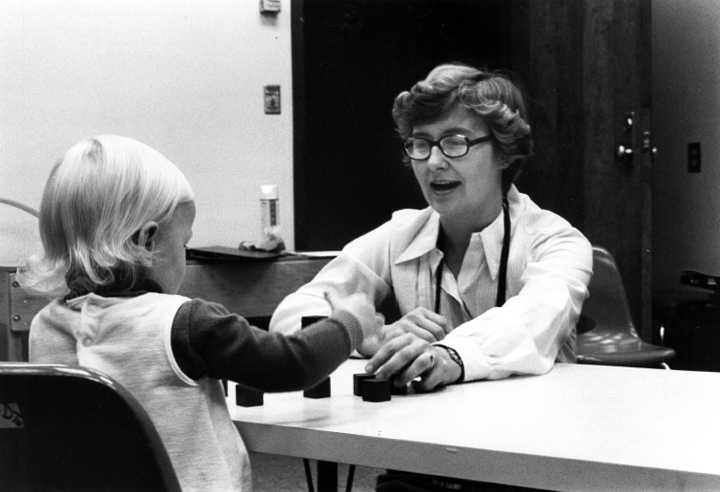
The Waisman Center’s Clinics champion interdisciplinary care for individuals with disabilities for 50 years
This clinic specialized in the diagnosis and care of individuals with intellectual and developmental disabilities (IDD) – a service not easily found in the late 1960s.
-
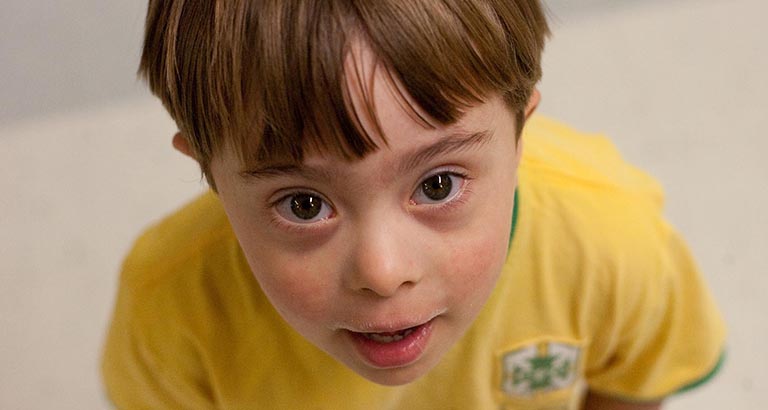
Waisman BioLibrary: Building a database to boost genetic research on intellectual and developmental disabilities now and for the future
The end goal is to build a collection of information for multiple disorders, the first one being Down syndrome.
-
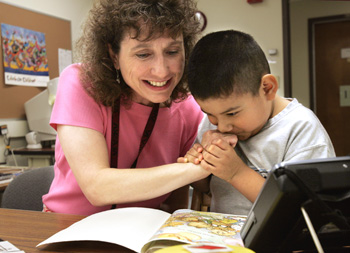
CASC Clinic: Enabling the basic human right of communication for all abilities
Without access to communication, people are isolated and frustrated and can end up having very different life experiences. If we can establish communication for a variety of individuals using alternative tools and…
-
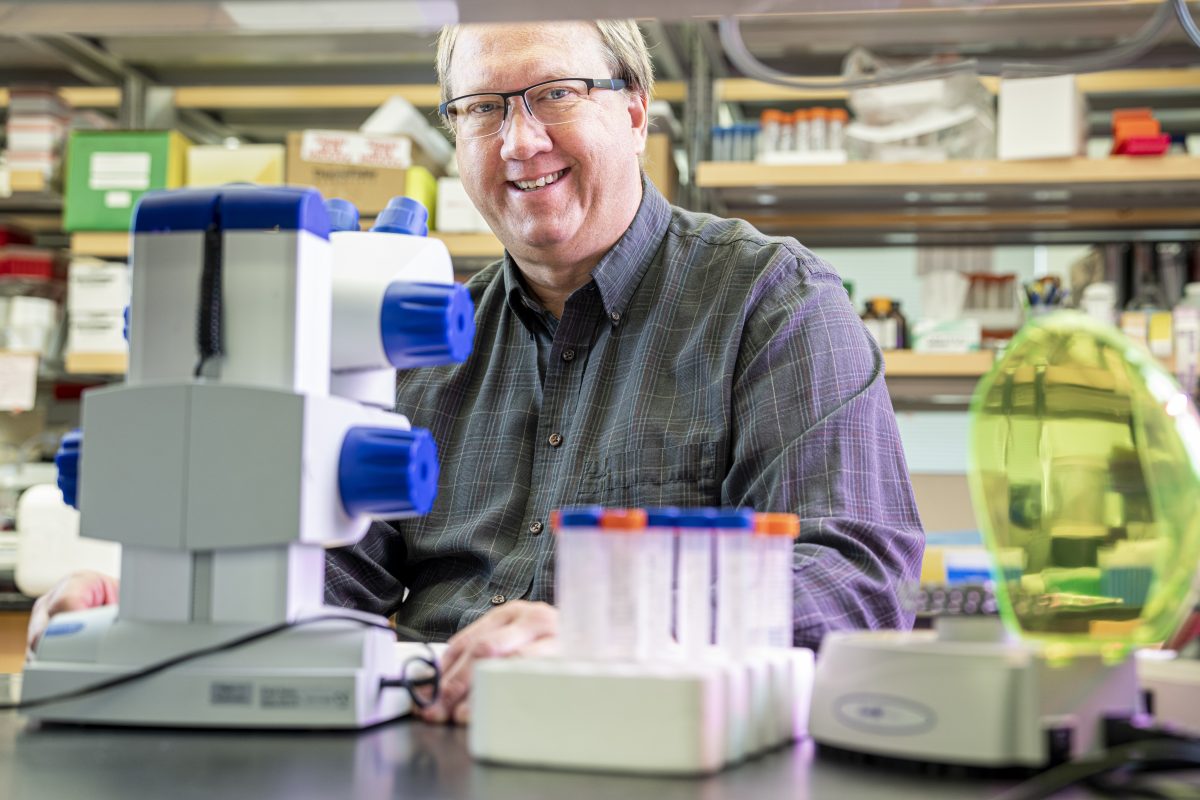
Waisman’s own takes interim position in OVCRGE
CMT is a slowly progressive disease in contrast to ALS, which affects the same neurons in the peripheral nervous system.
-
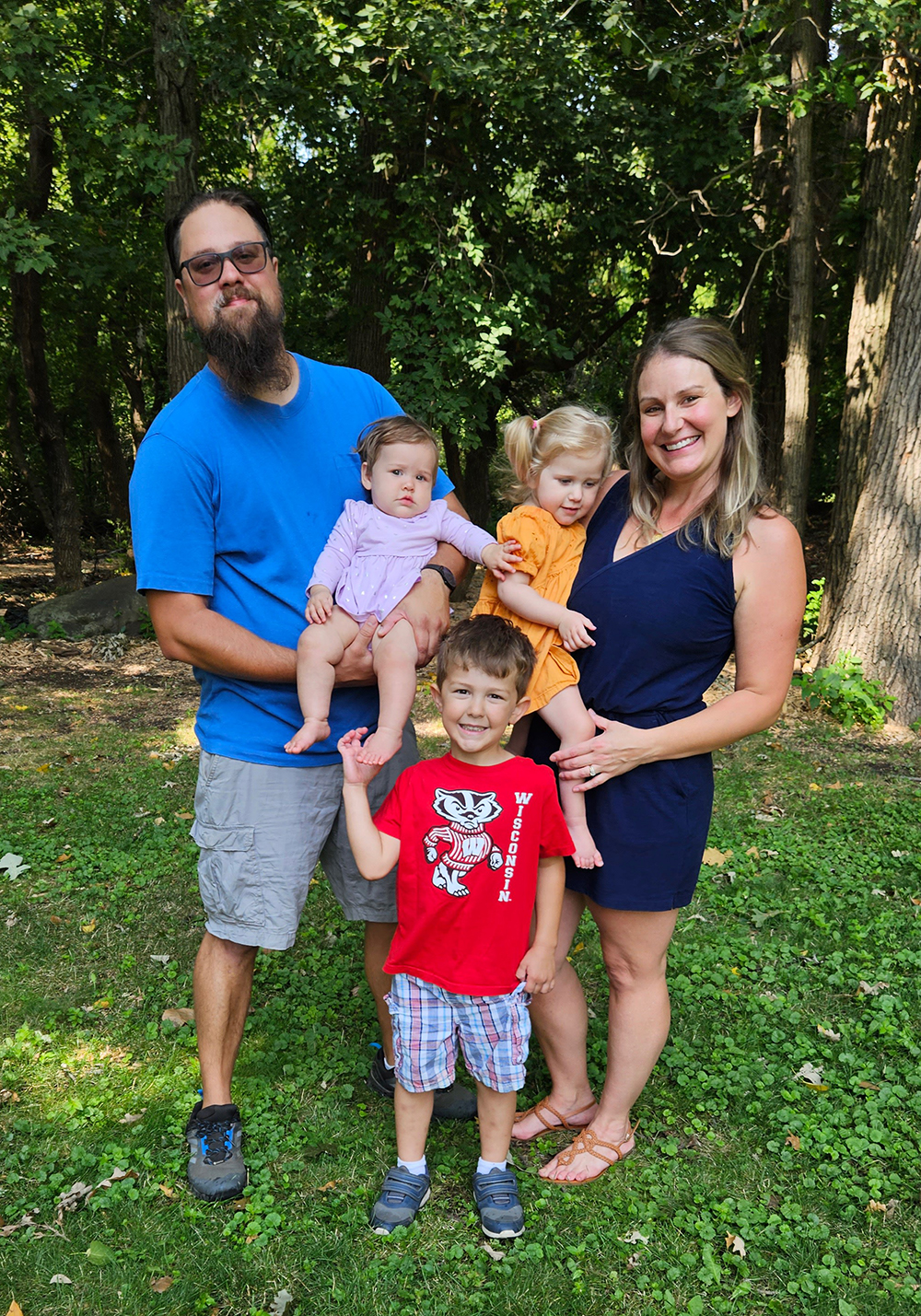
Reaching beyond Rett Syndrome: How a family and the Waisman Center are working to improve care for those with rare syndrome
Several months after Ella’s first birthday, she received her diagnosis of Rett syndrome. “It was devastating, life changing. It’s rare – we hadn’t heard of it before we started this journey and…
-
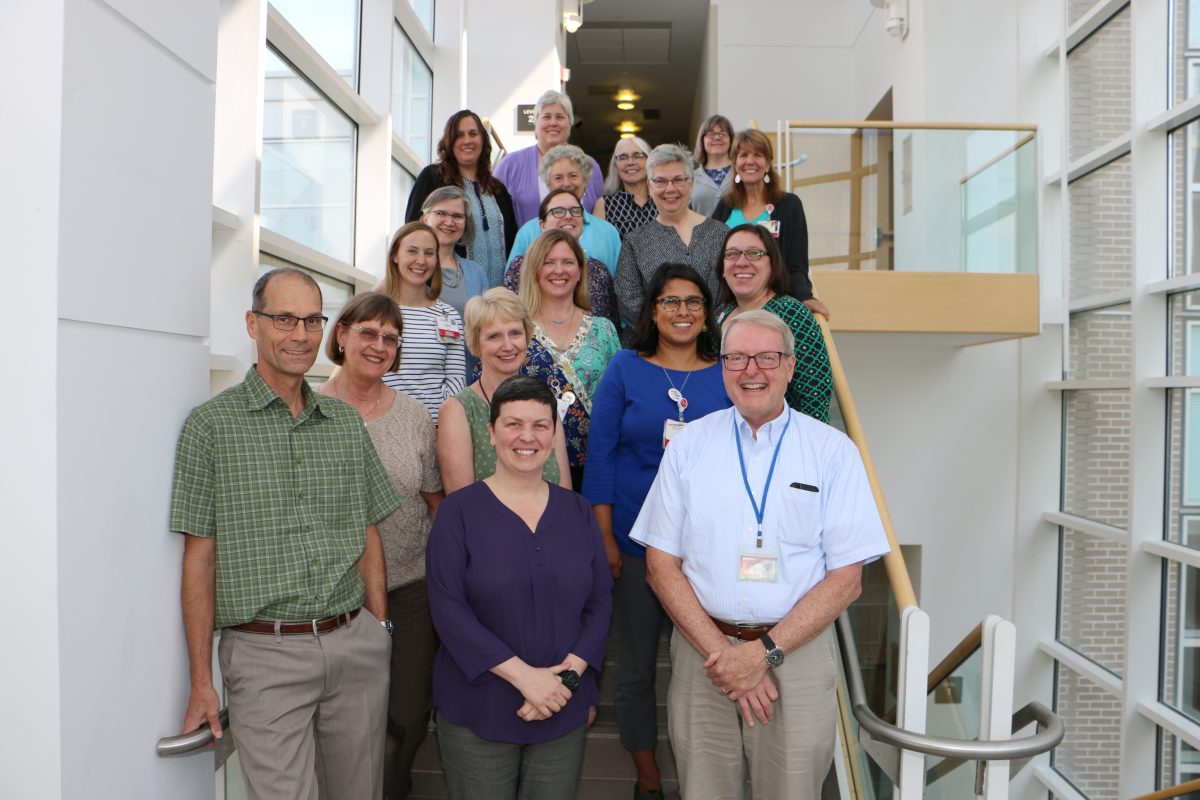
Branching out beyond where it’s planted: The story of the Waisman Center’s University Center for Excellence in Developmental Disabilities, Part 2
Former UCEDD director Bill MacLean with current director Leann DaWalt.
-
Branching out beyond where it’s planted: The story of the Waisman Center’s University Center for Excellence in Developmental Disabilities, Part 1
The University of Wisconsin–Madison was one of the first sites to be selected to have an IDDRC and UCEDD because of the urging of Harry Waisman, MD, PhD, a prominent researcher physician,…
-
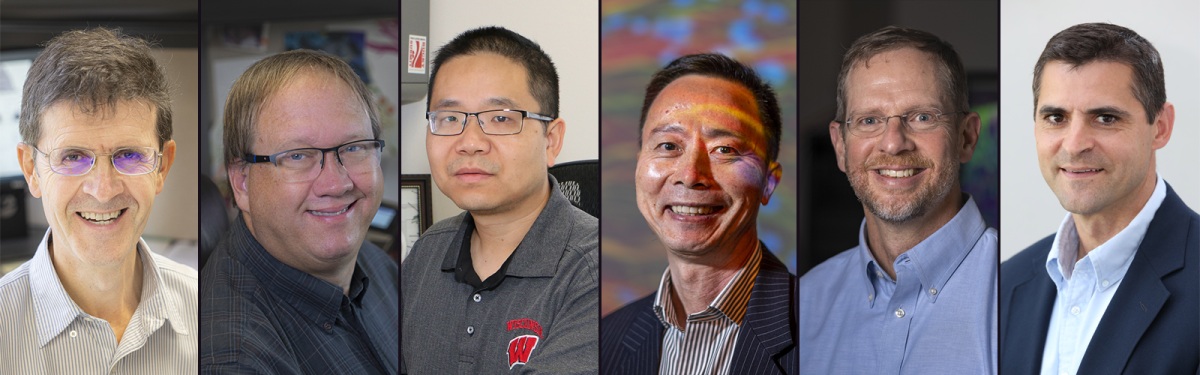
Neurodegeneration research at the Waisman Center from gene to organelle to cell to brain
Alzheimer’s disease, Parkinson’s disease, amyotrophic lateral sclerosis (ALS), Charcot-Marie-Tooth disease, and retinitis pigmentosa all have different manifestations and affect different body functions, but they are all connected by one mechanism: neurodegeneration.
-
The Children’s Resource Center – South helps families of children and youth with special health care needs navigate the health care system
The Children’s Resource Center-South, housed in the Waisman Center University Center for Excellence in Developmental Disabilities (UCEDD), is dedicated to supporting families with children and youth with special health care needs or…
-
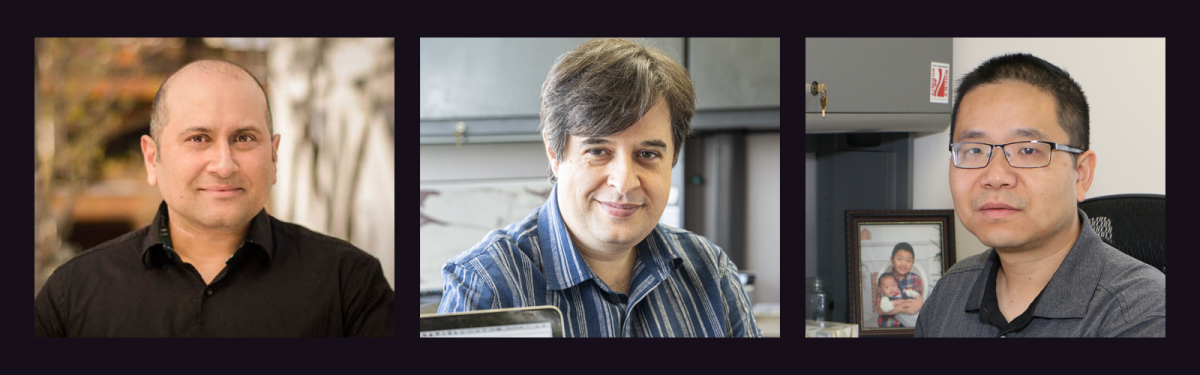
Genomics and genetics cluster hire brings expansion into new research avenues
Tiny but mighty is a good way of describing our genome – the collection of our DNA. Although not visible to the naked eye, the human genome holds around 21,000 genes and…
-
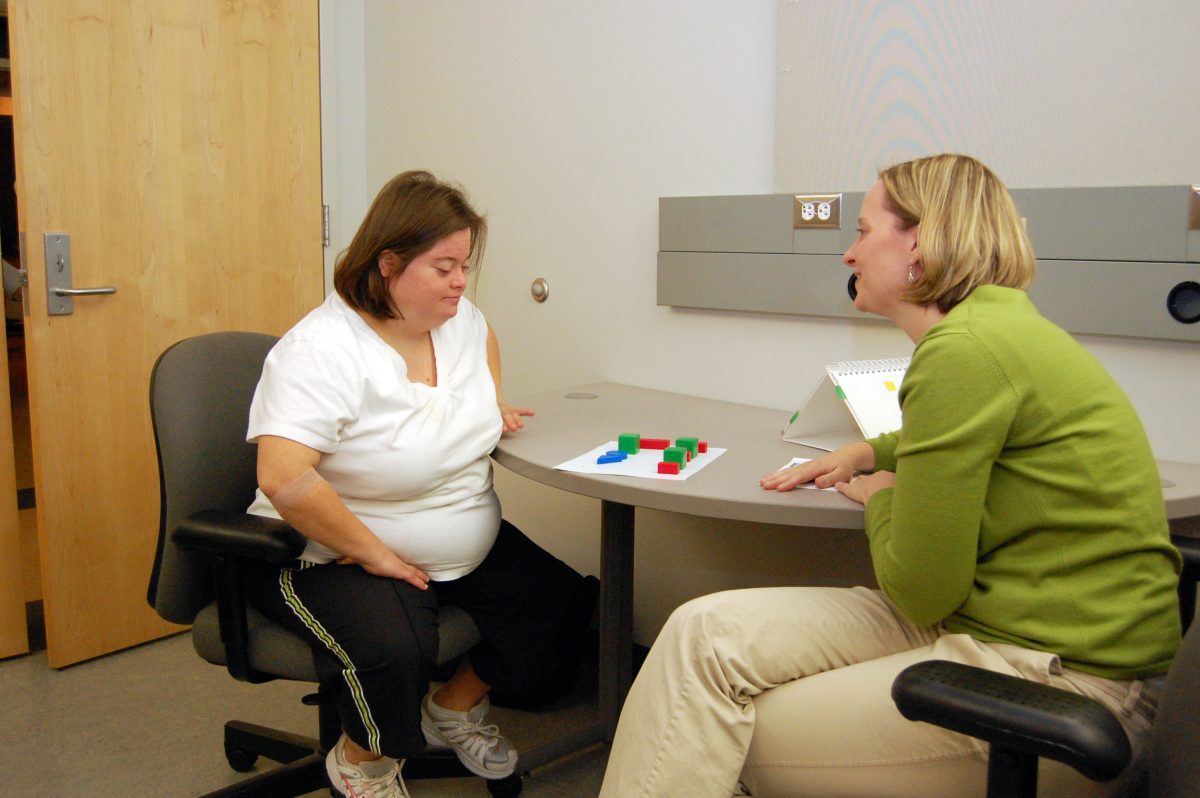
Understanding the connection between Down syndrome and Alzheimer’s disease
Allison and Amber Westemeier get excited every time they take a trip to the Waisman Center from Oshkosh, WI.
-
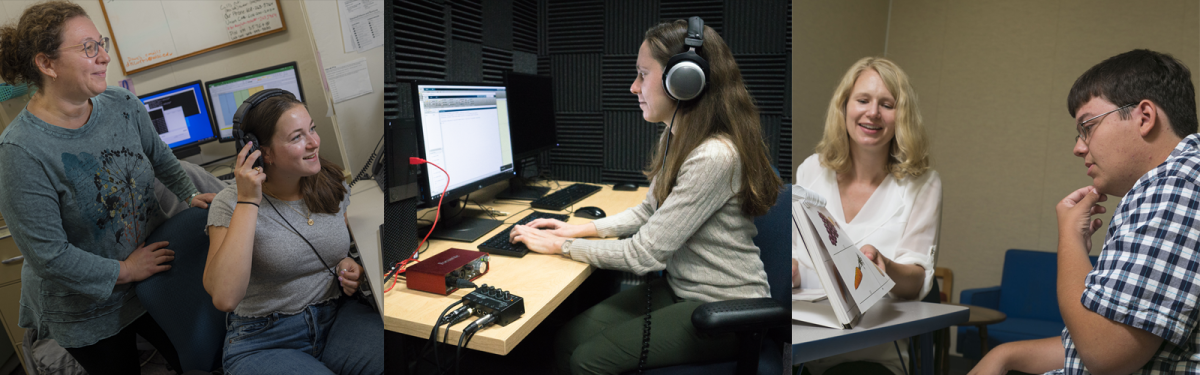
How Waisman researchers are advancing knowledge of speech and language in Individuals with IDDs
People say between 150 and 200 words a minute on average during a casual conversation.
-
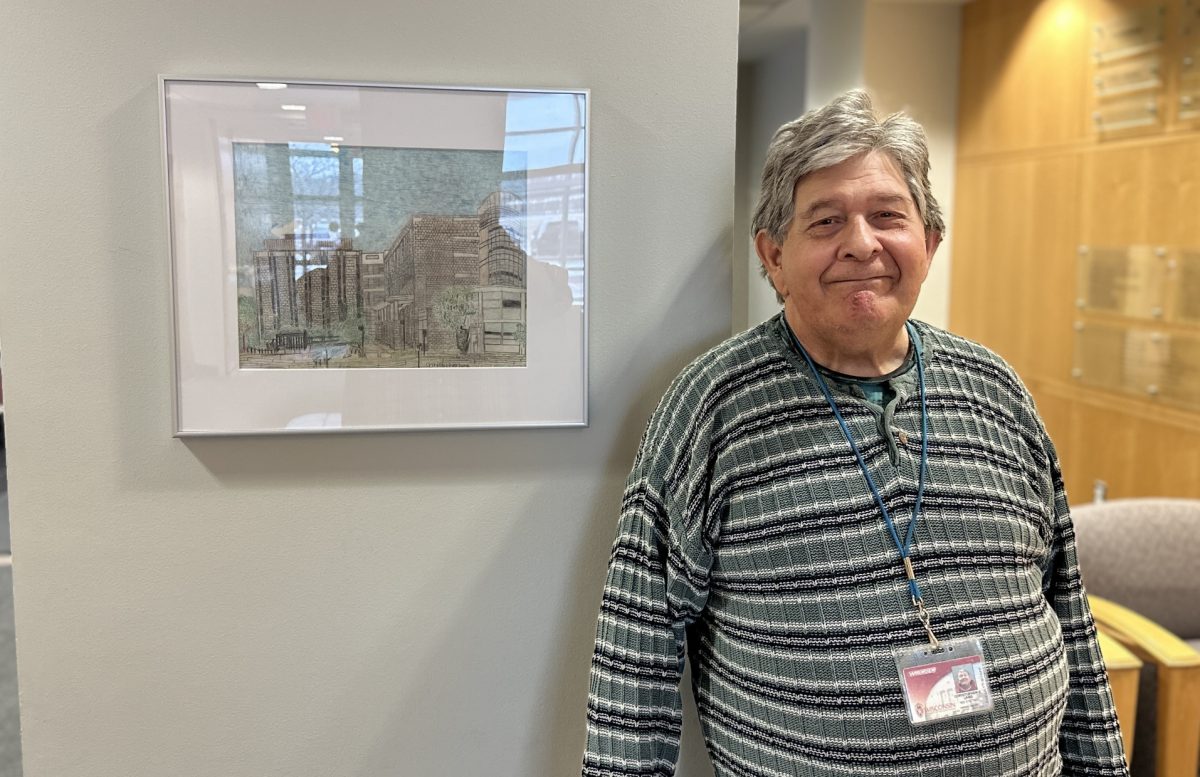
Drawn to art: Waisman celebrates artists of all abilities with unique collection
Lang likes to draw buildings and geometric shapes. Most of his drawings focus on interior spaces or places that have meaning to him like different places he has lived, a favorite restaurant,…
-
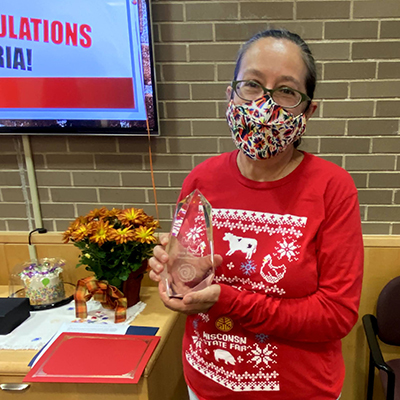
The community boards that unite us: A circle of friends, visitors, and constituent advisors
A place such as the Waisman Center needs help to not only function at its highest level but to also ensure the needs of the community it serves are being met. This…
-
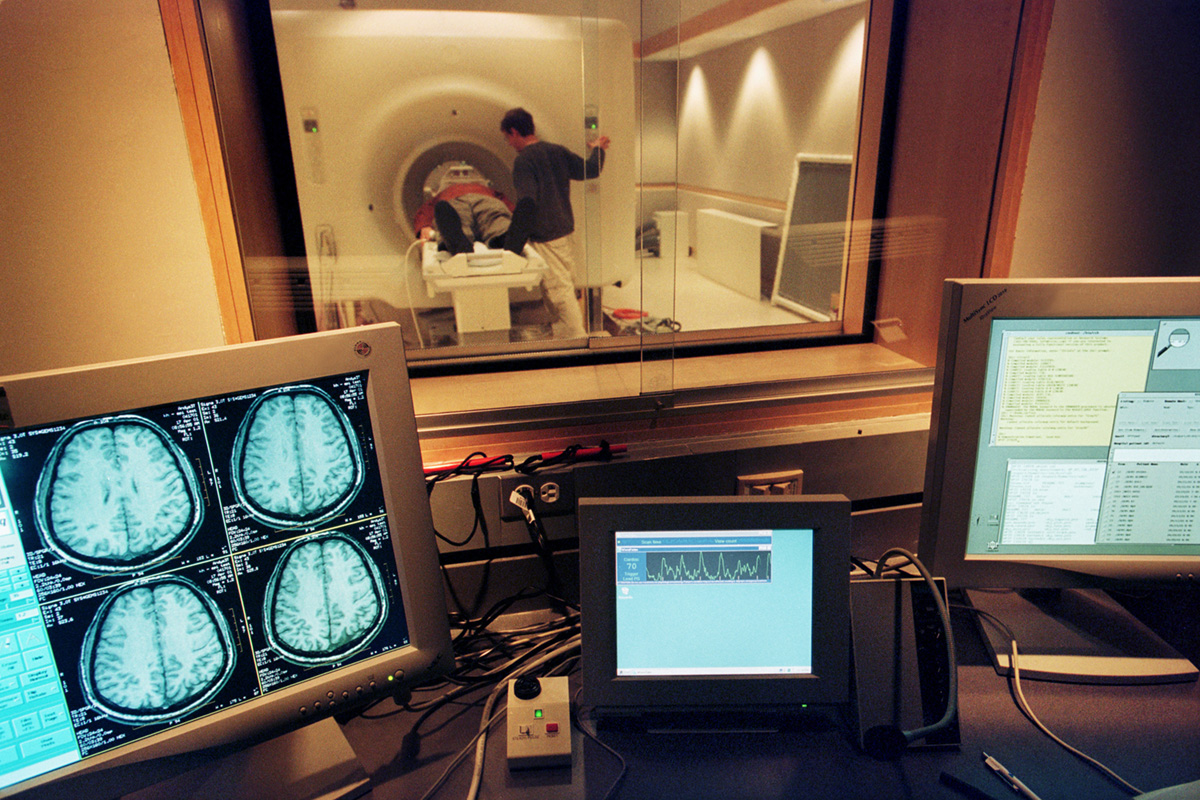
The beginnings and evolution of brain imaging at the Waisman Center
The development of brain imaging techniques has helped us understand emotion, intellectual and developmental disabilities, and neurodegenerative diseases in ways we could not before.
-
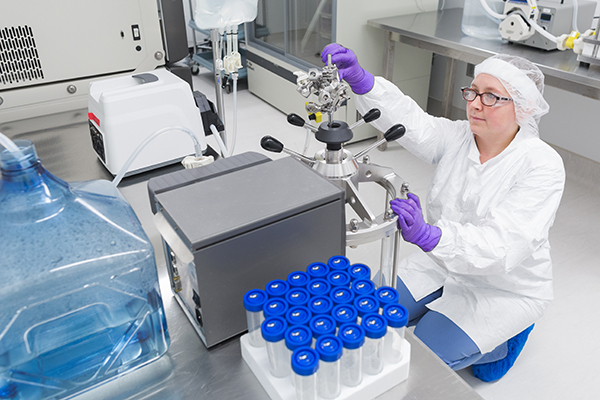
Bridging the gap: How WB is helping to translate research from bench to bedside
By Emily Leclerc, Waisman Science Writer One of Carl Ross’s favorite stories is actually an account of one of his failures. In the early 2000s Ross, the former managing director of Waisman…
-
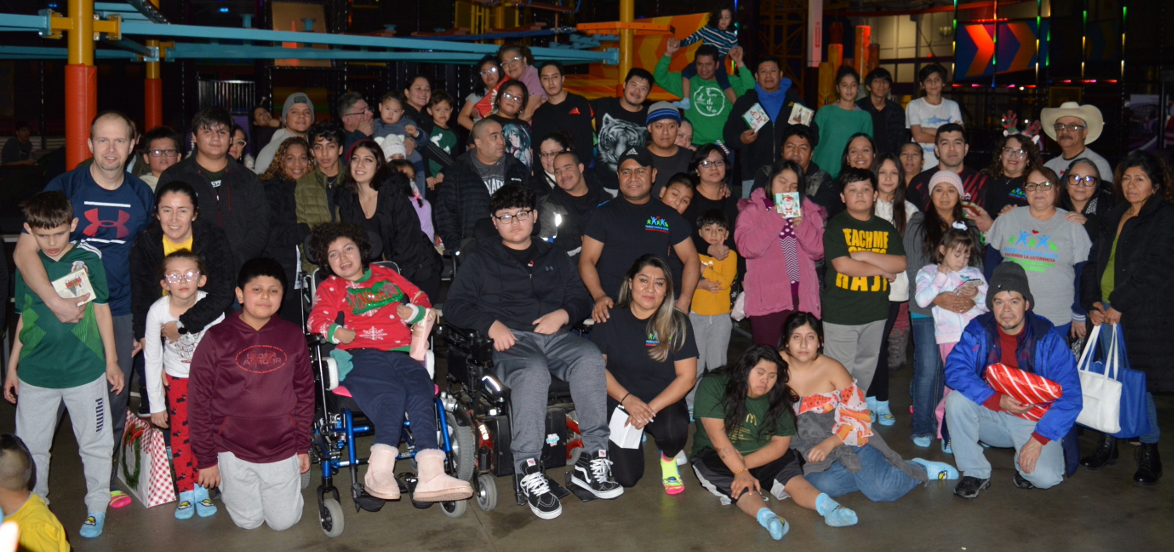
Compartiendo el conocimiento: capacitación comunitaria y asistencia técnica de UCEDD para líderes en la comunidad
English Por: Charlene N. Rivera Bonet Héctor Portillo se mudó a Wisconsin en el 2003 en busca de mejores opciones de atención médica para su hijo, quien tiene autismo. Después de más…
-
Sharing the expertise: UCEDD’s community training and technical assistance for leaders in the community
After more than a decade of navigating the health care system, he took it upon himself to help Latino families with kids with intellectual and developmental disabilities (IDD) find resources and supports,…
-
The Waisman Center’s signature research project looks deeply at the connections between autism and ADHD
Josh loves coming to the Waisman Center. He has told his mom Julia several times that he particularly enjoys the two-day visits because he gets to spend more time at the center.…
-
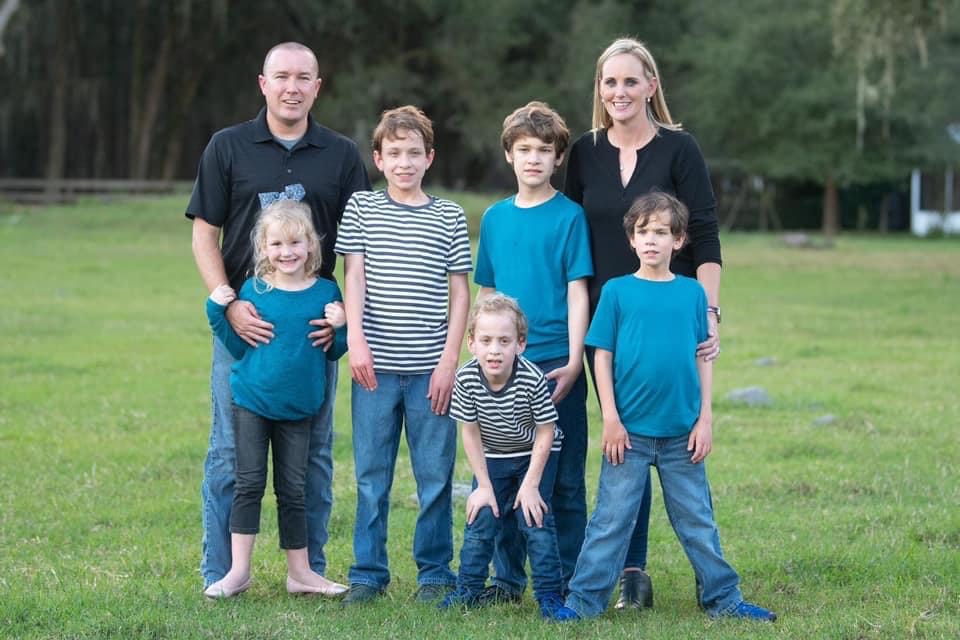
The large scope of research on fragile X syndrome at the Waisman Center
Research studies at the Waisman Center cover both basic science and behavioral research on FXS, starting with the individual, up to the family unit, from childhood, and into old age.
-
Research beyond Waisman Center: Discoveries that have spun into products
Multiple discoveries born from the minds and hard work of Waisman Center investigators have left the nest to become successful companies or products that have had a significant impact in the world…
-
Waisman and PKU: A legacy of being at the forefront of research and care
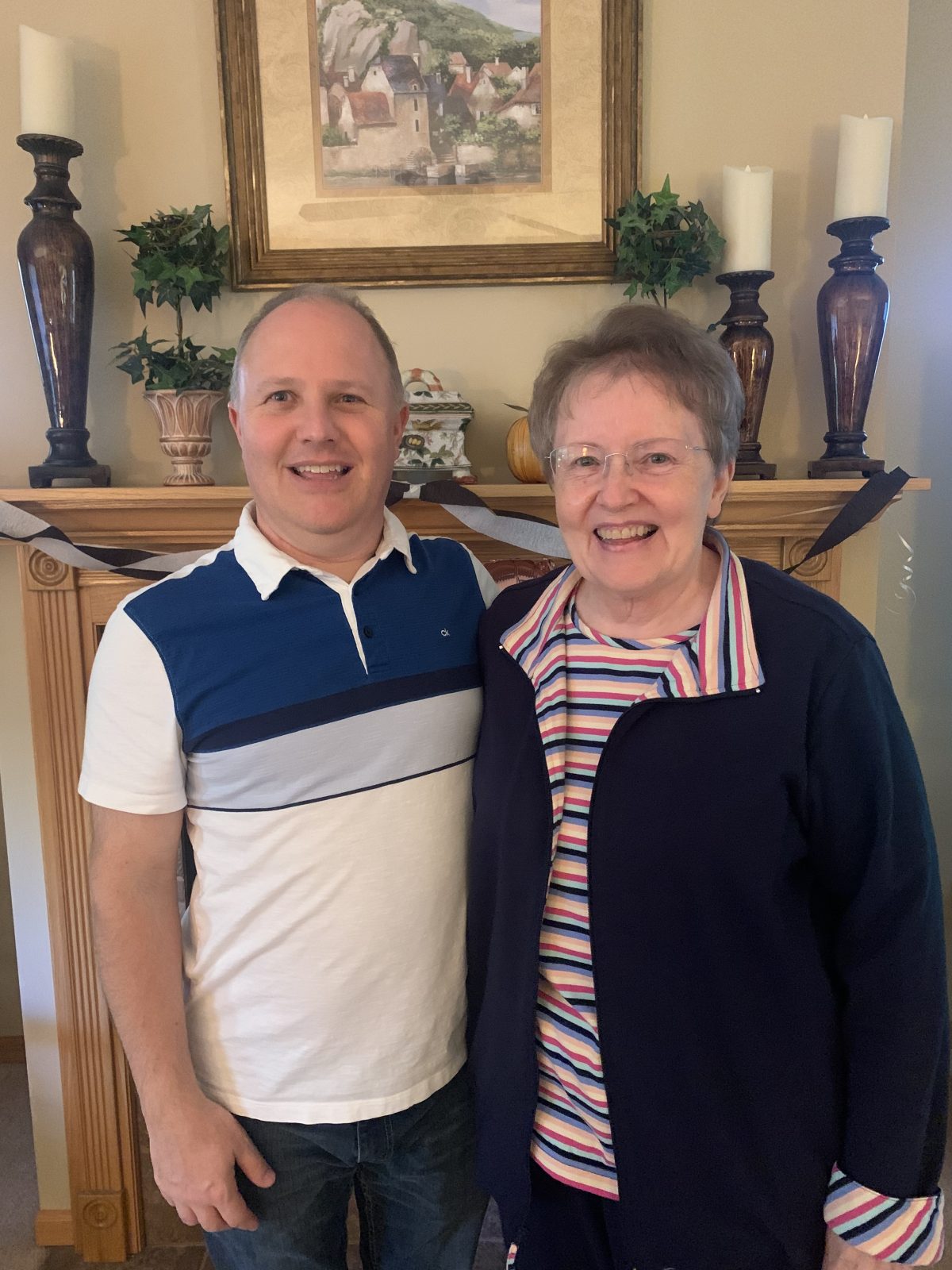
In 1972, Nancy Reyzer had only been home in Chicago a couple of days with her newborn son, John, when she received an unexpected and alarming phone call from her son’s doctor.…
-
Leading by example: A spotlight on each of Waisman’s directors
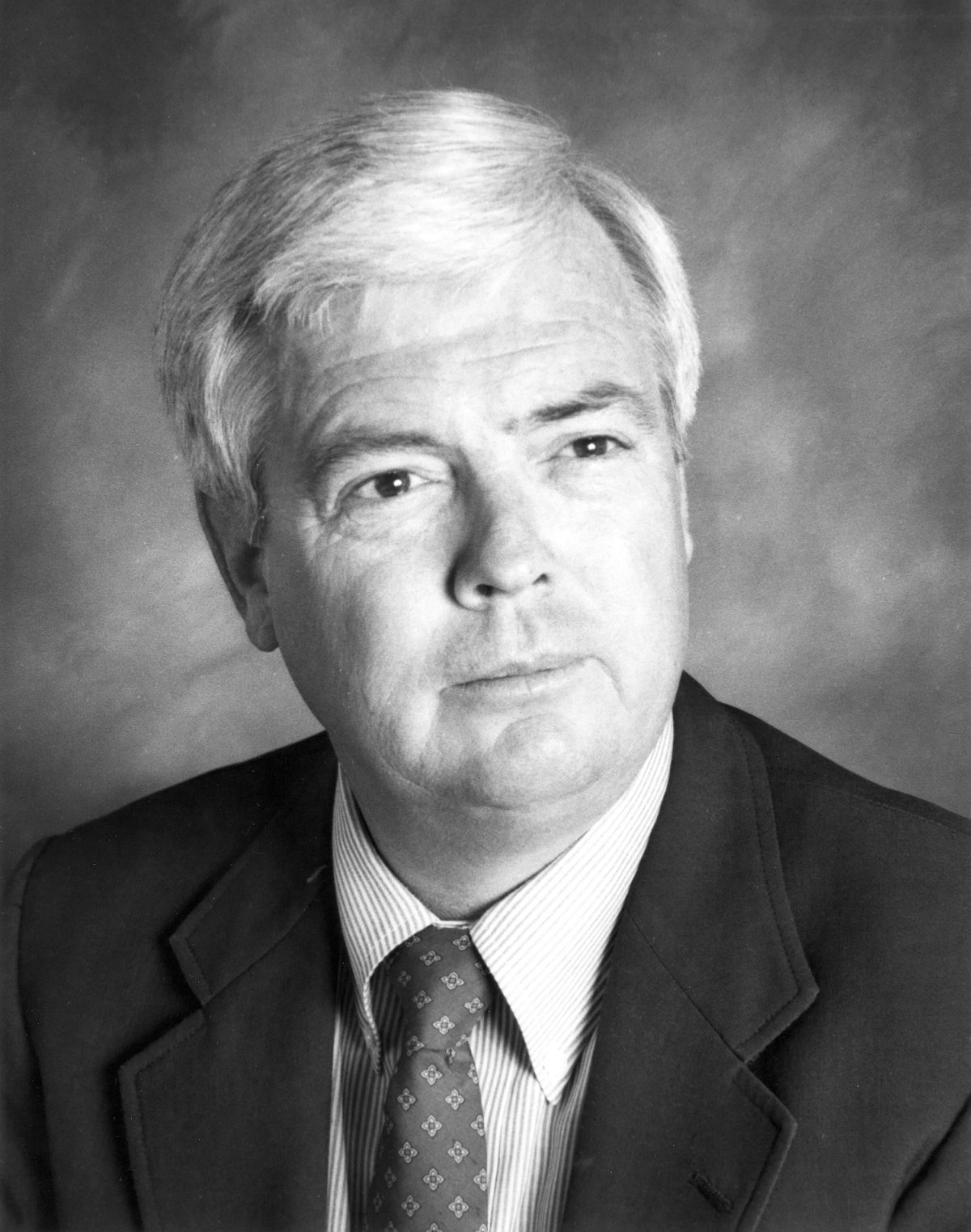
The Waisman Center has a long history of excellent and remarkable leadership. Each director of the center has played a pivotal role in advancing Waisman’s research, service, training, and outreach efforts. This…
-
Seth Pollak: A career dedicated to understanding child emotion
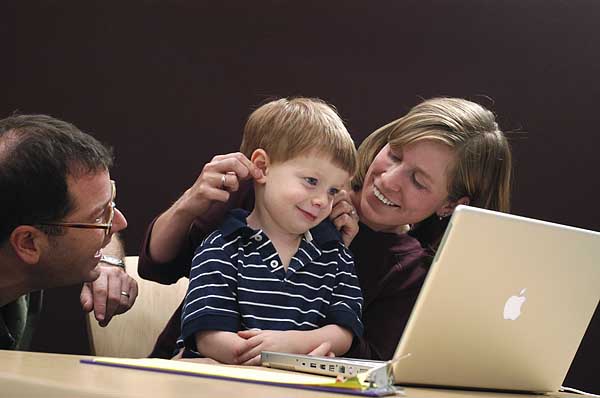
The fun decals on the colorful walls and the cheerful environment gives it away, the third floor of the Waisman Center is dedicated to children. This space is where Seth Pollak, PhD,…
-
The Little Listeners Project: studying language development in toddlers with autism
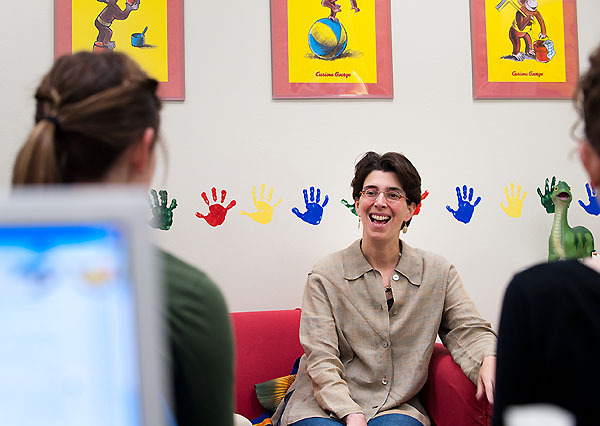
Even through cute but unintelligible babbles, infants are hard at work learning how to become successful communicators.
-
SALT & PEPPER: Seasoned tools to better understand speech and language disorders
We might know salt and pepper as the dynamic duo of seasonings that adds flavor to foods, but in the language and speech research world, the duo has a different meaning.
-

Innovative preschool education and care for kids with disabilities at the Waisman Center
From the soft murmur of voices in the center’s 10 specialty clinics to the loud and steady hum of the MRI on the first floor, the Waisman Center is full of sounds.
-
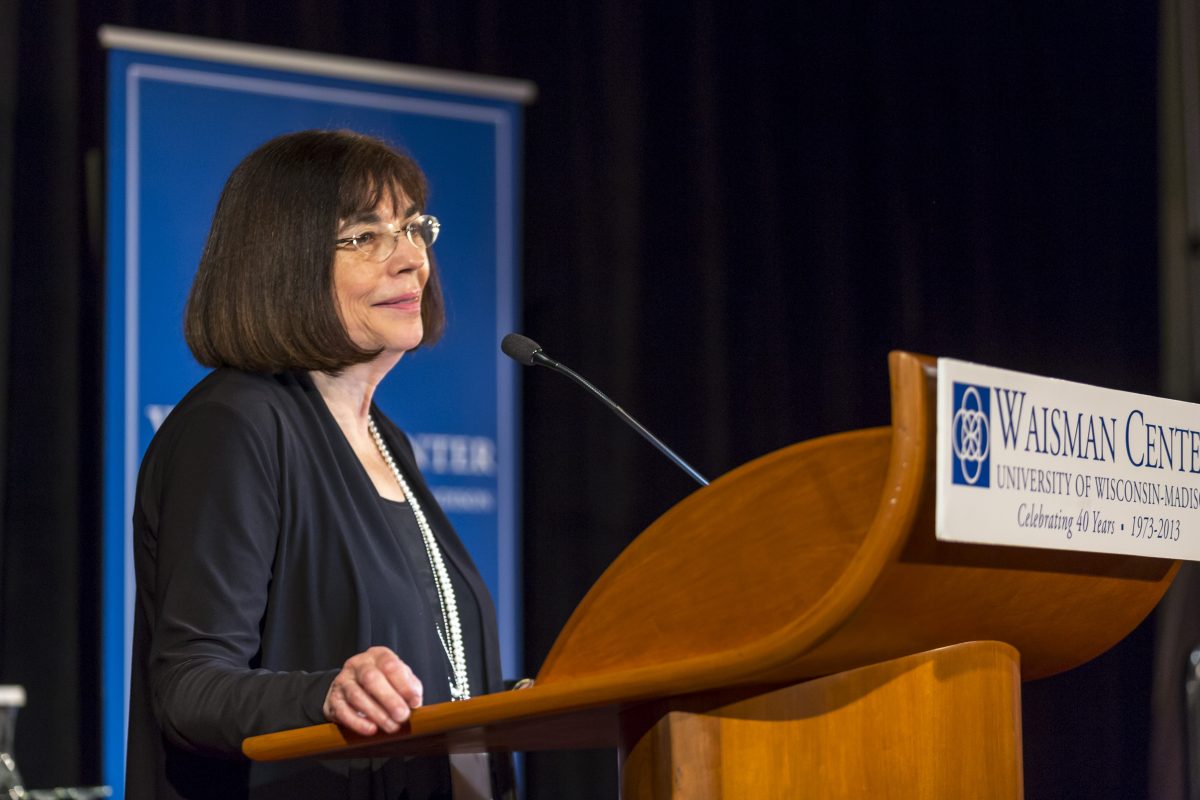
Building bridges between disciplines: Marsha Mailick’s interdisciplinary research and leadership at the Waisman Center
Multiple angles of vision all focused on a common question is what attracted Marsha Mailick, PhD, emeritus vice chancellor for research and graduate education at the University of Wisconsin–Madison, to the Waisman…
-
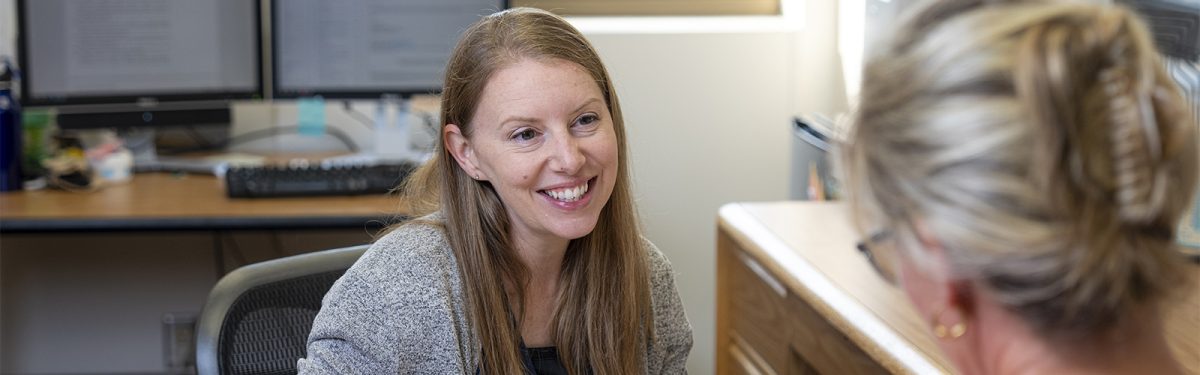
Transitioning Together helps adolescents with autism and their families gear up for adulthood
The Transitioning Together curriculum is adaptable to different settings, including clinical settings and school settings. Because of its unique design and positive impacts, it has been adopted in 11 states outside of…
-
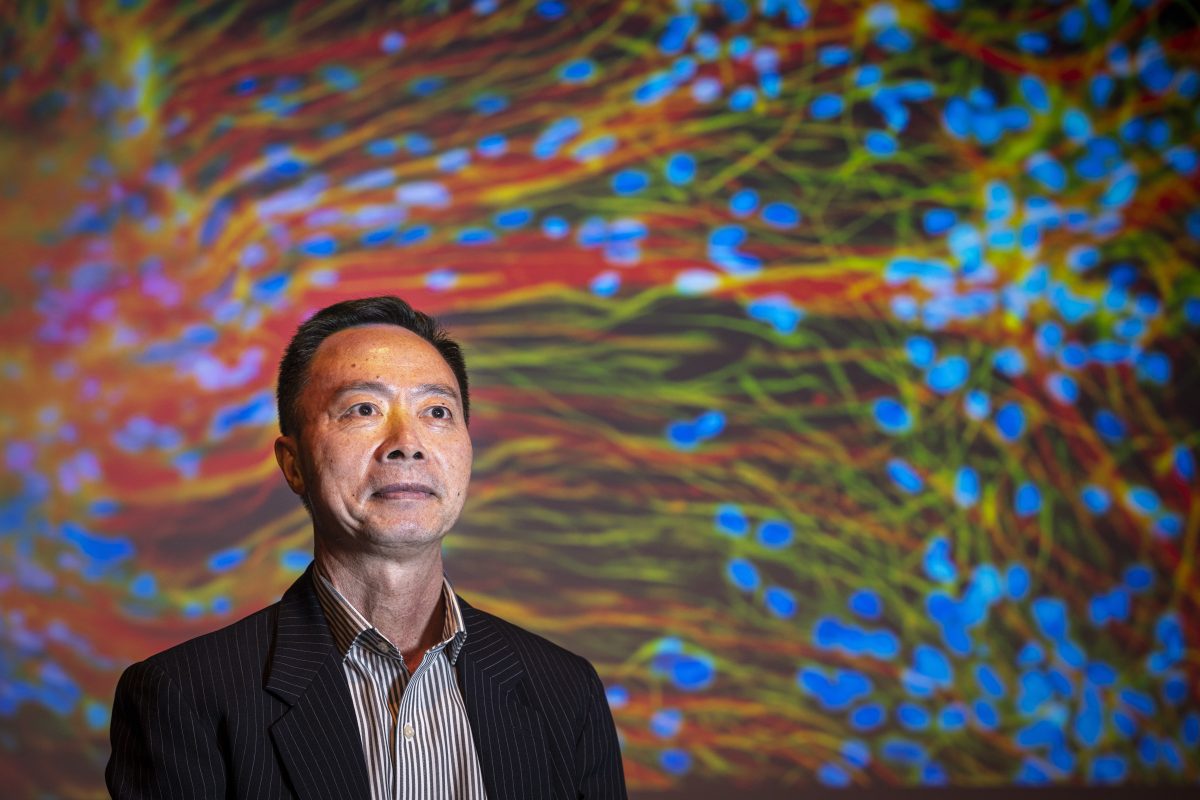
Waisman investigator is only steps away from creating a potential treatment for Parkinson’s disease
When Su-Chun Zhang, MD, PhD, picked up the phone to answer a call in 2001, he could barely understand the man speaking on the other line. “I could not hear his voice…
-
Understanding autism from the minute to the masses: Autism research at the Waisman Center
Autism spectrum disorder (ASD) is an intricate and complicated diagnosis. The spectrum of presentations and severity is as expansive as the theorized causes. Autism’s complexity and breadth of impacts on a person’s…
-
From clinics to treatment: Waisman works to help families with autism
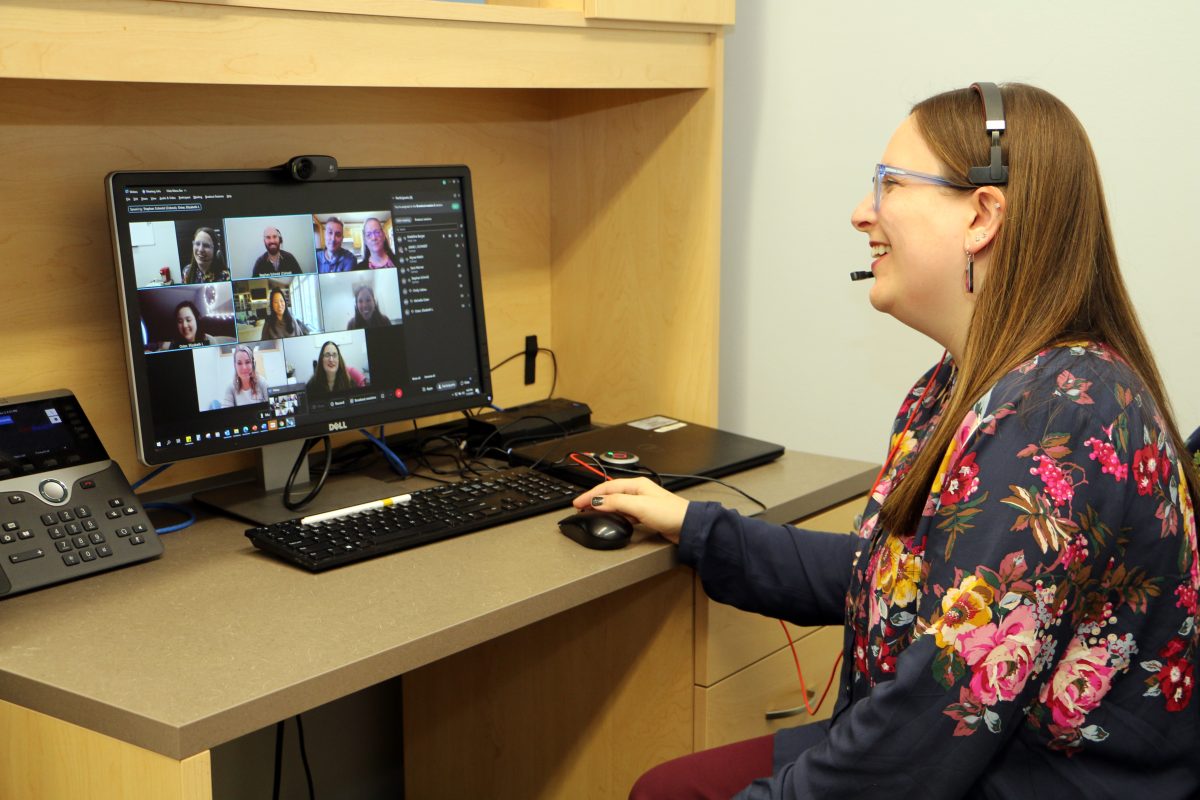
For many individuals with autism and their families, their first experience with the Waisman Center may be through the center’s Autism and Developmental Disabilities (A&DD) Clinic. The A&DD Clinic’s primary focus is…
-
The Waisman TIES Clinic, a psychiatry clinic that looks at disability and mental health through a holistic lens
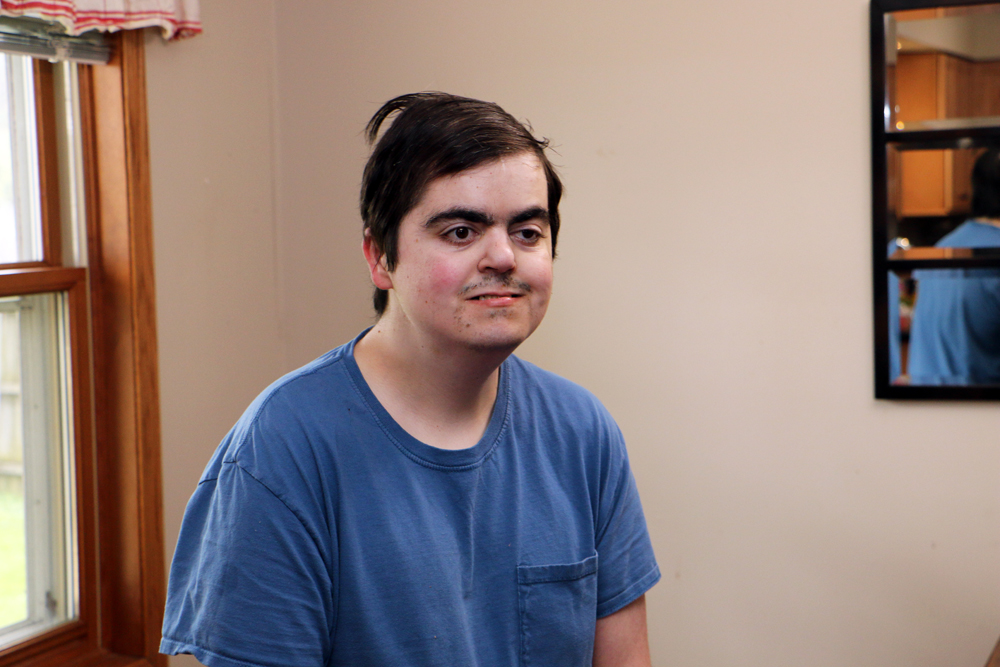
Community TIES (Training, Intervention, and Evaluation Services) is a UW-Waisman Center behavioral support program that serves residents of Dane County with intellectual and developmental disabilities and their families.
-
Women’s History Month: Celebrating the women of Waisman | Infographic
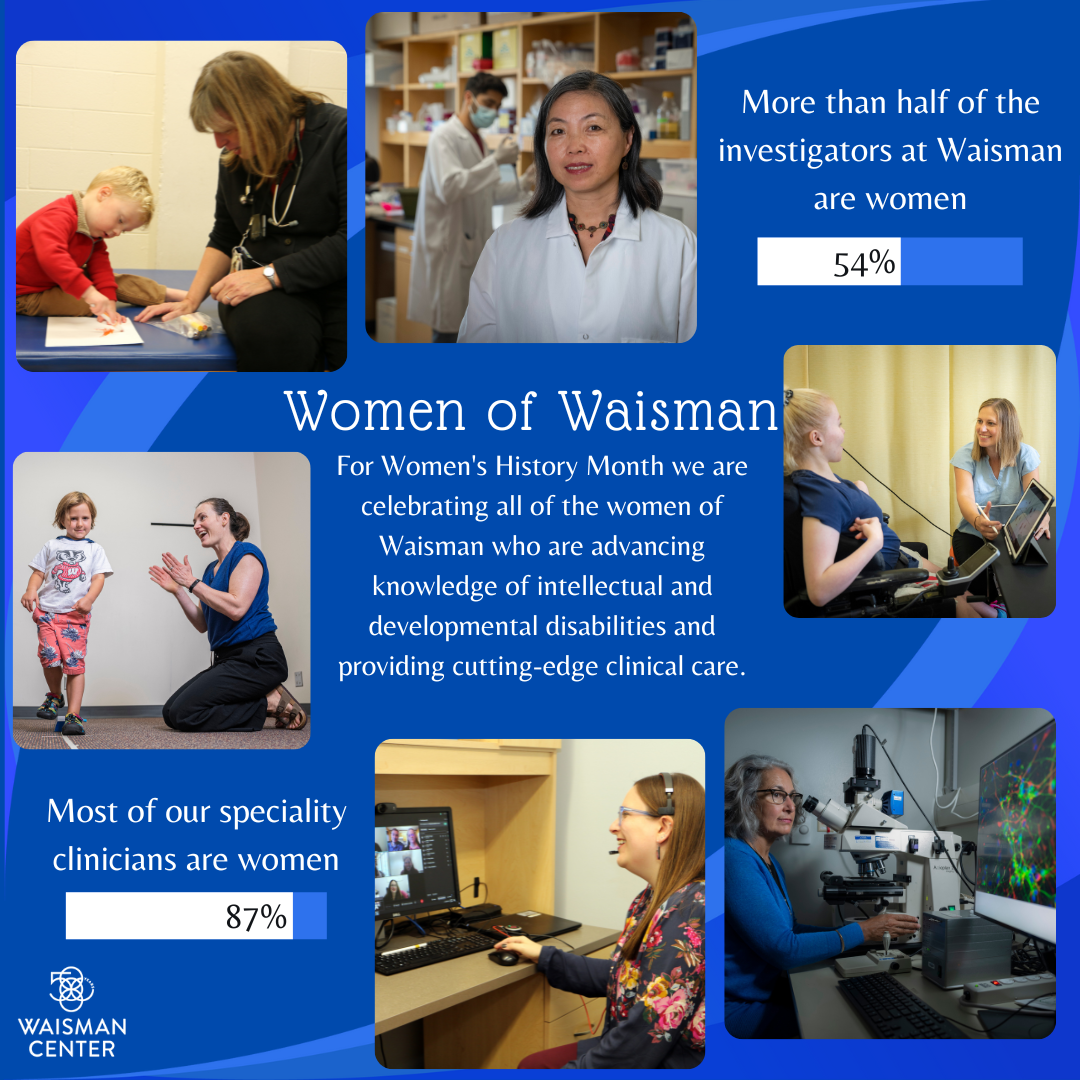
For Women’s History Month we are celebrating all of the women of Waisman who are advancing knowledge of intellectual and developmental disabilities and providing cutting-edge clinical care.
-
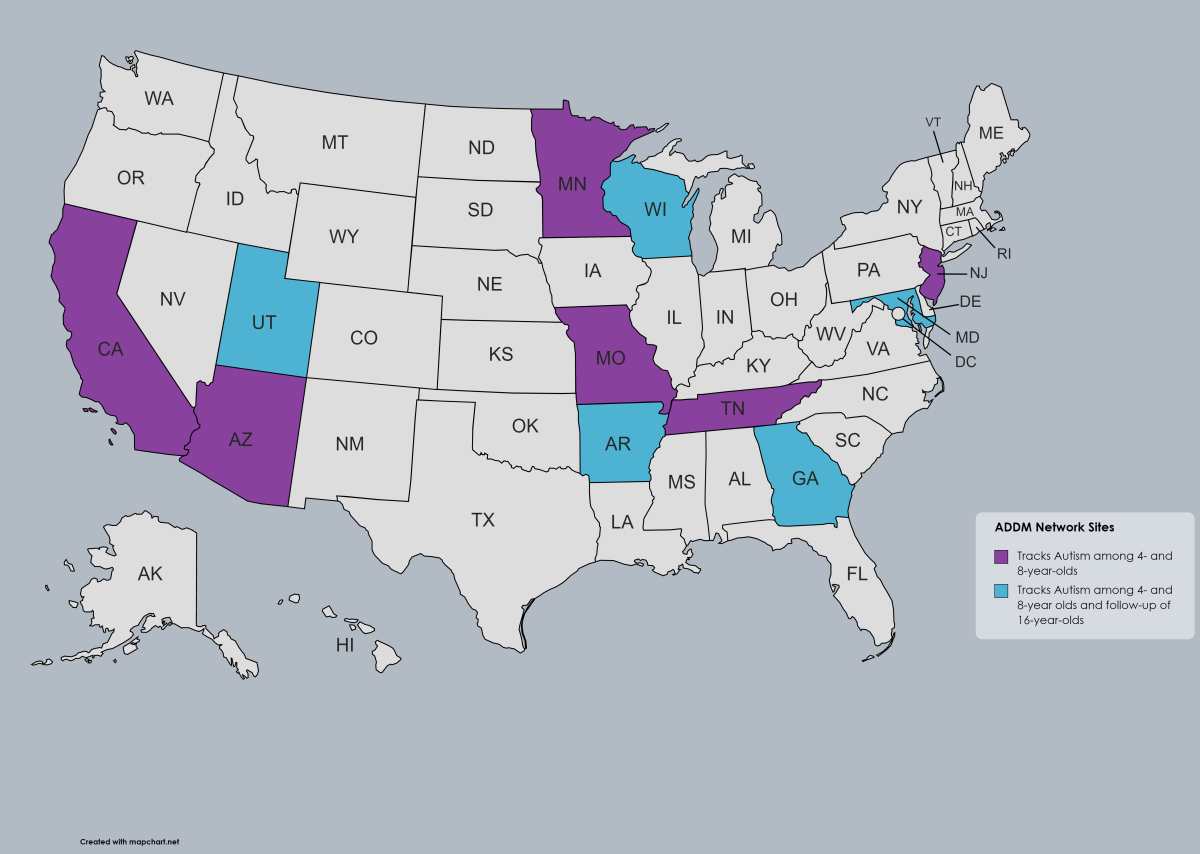
Let’s talk numbers: Epidemiology of intellectual and developmental disabilities research at the Waisman Center
In 2001, newborn screening of Hmong babies had an alarming number of positive results for an enzyme deficiency called MBADD.
-
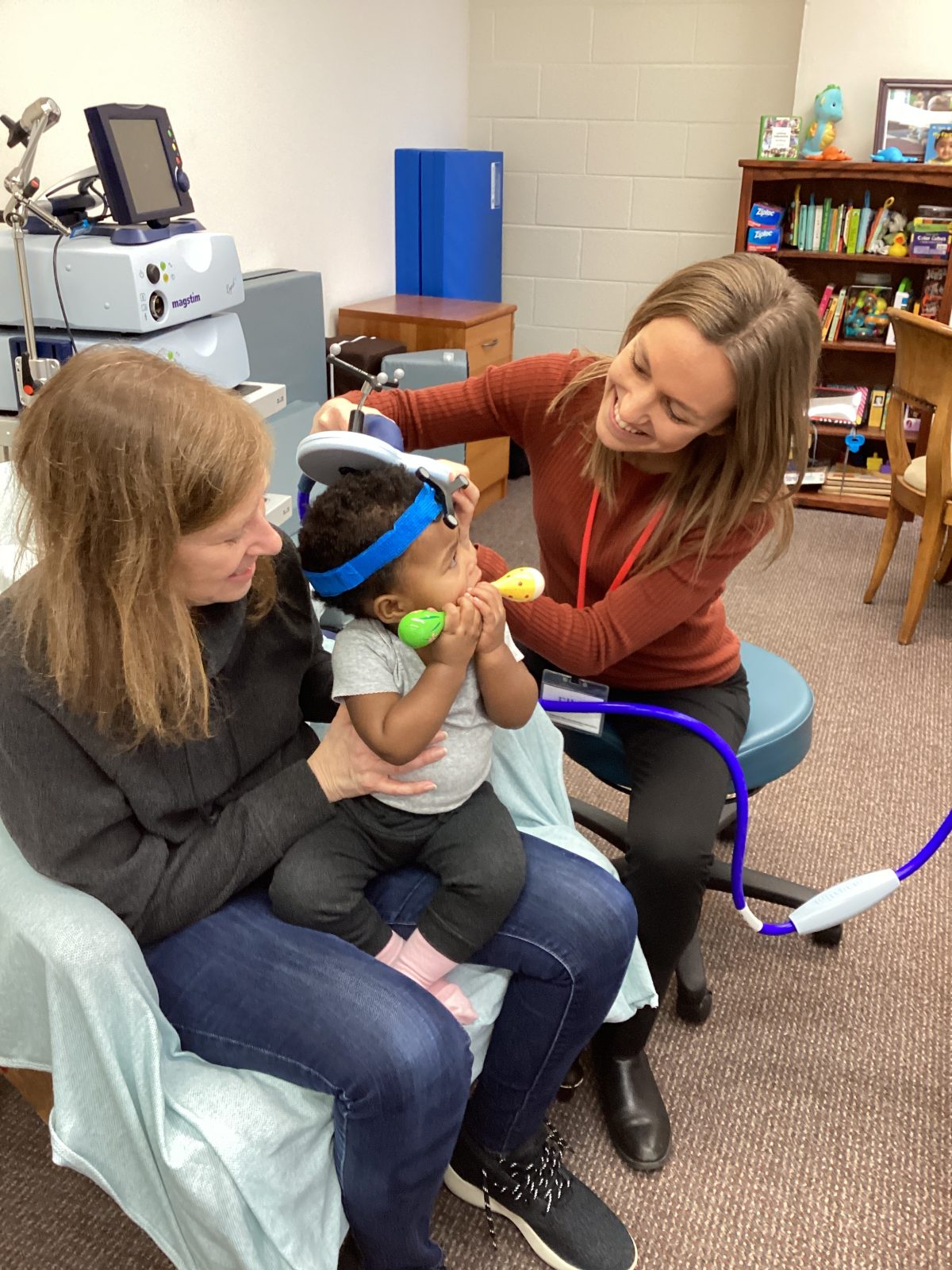
From brain stimulation to speech and language interventions, Waisman researchers are making strides to better understand and treat individuals with cerebral palsy
More than 10,000 children are born each year with cerebral palsy (CP) making it the most common motor disability in childhood.
-
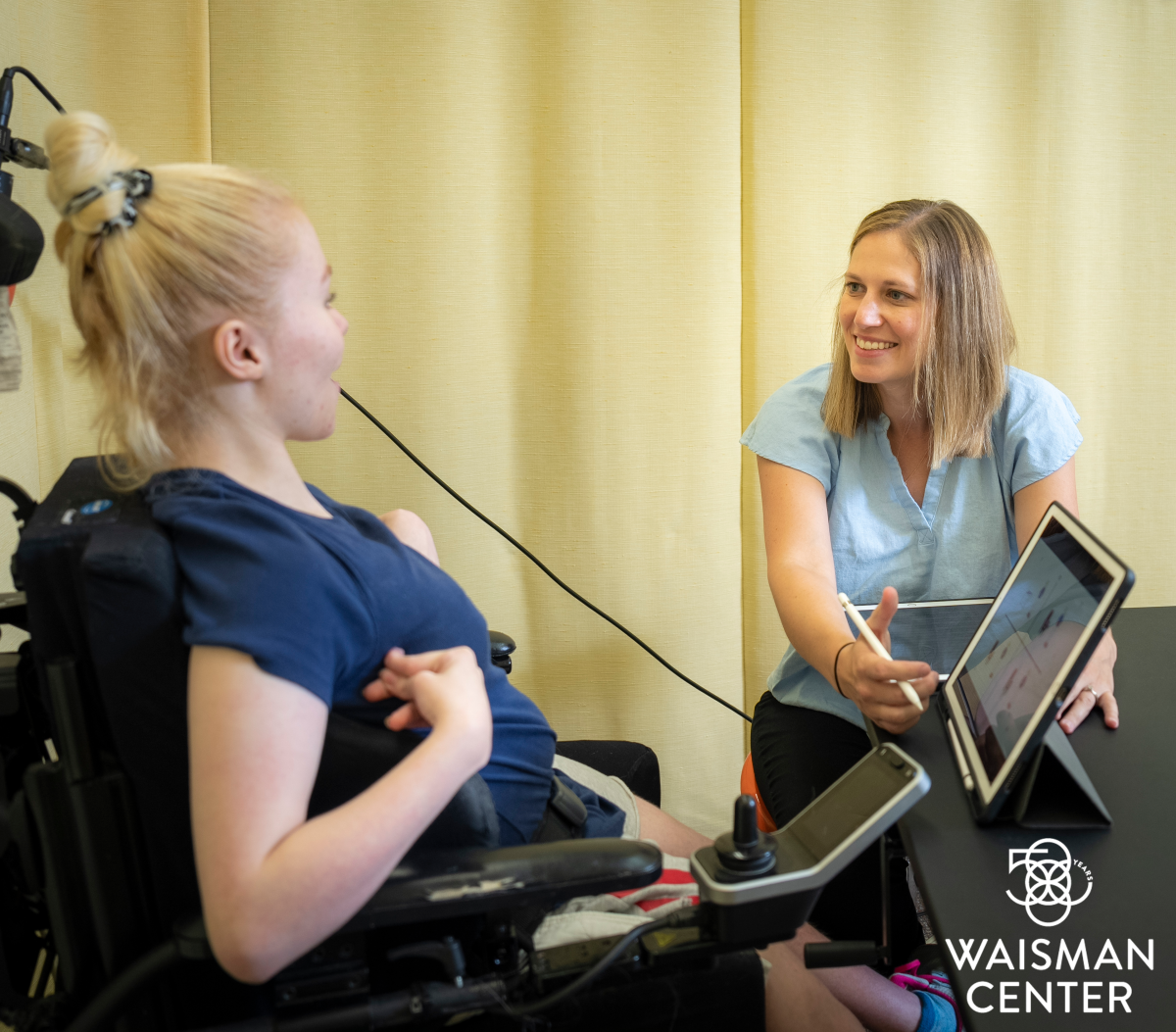
The Waisman Center’s comprehensive care and strides toward early interventions for children with cerebral palsy: Clinics and outreach
The clinics and the research laboratories of the Waisman Center intertwine to care for individuals with cerebral palsy. The mission is one: to improve the outcomes for individuals with cerebral palsy.
-
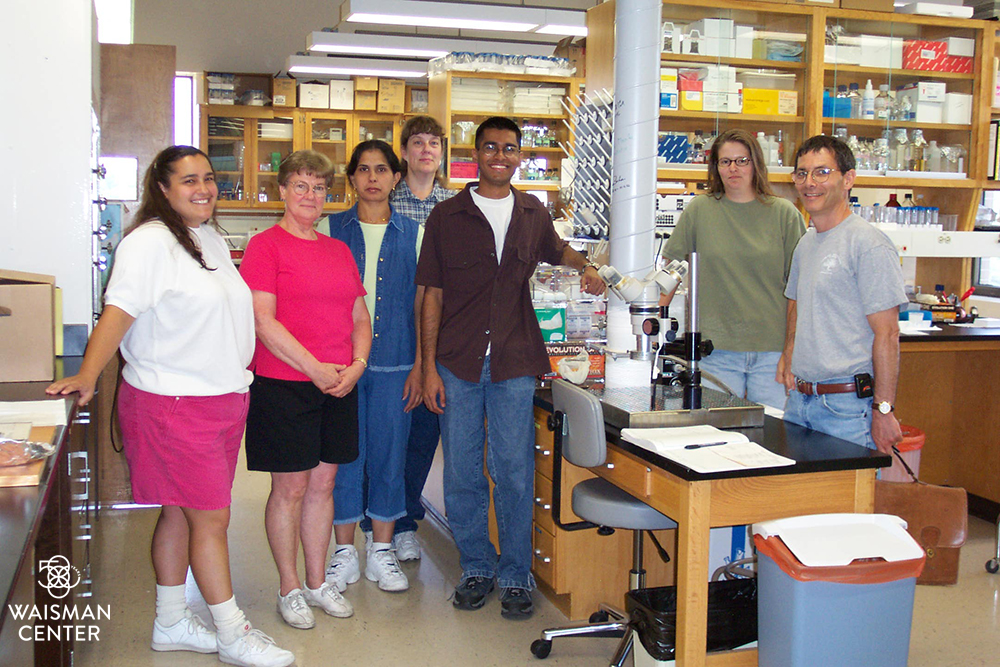
Alexander disease: A lifetime’s work in the hope of saving lives
Messing wanted to study if the overexpression of GFAP resulted in a certain reactive response in the brain.
-
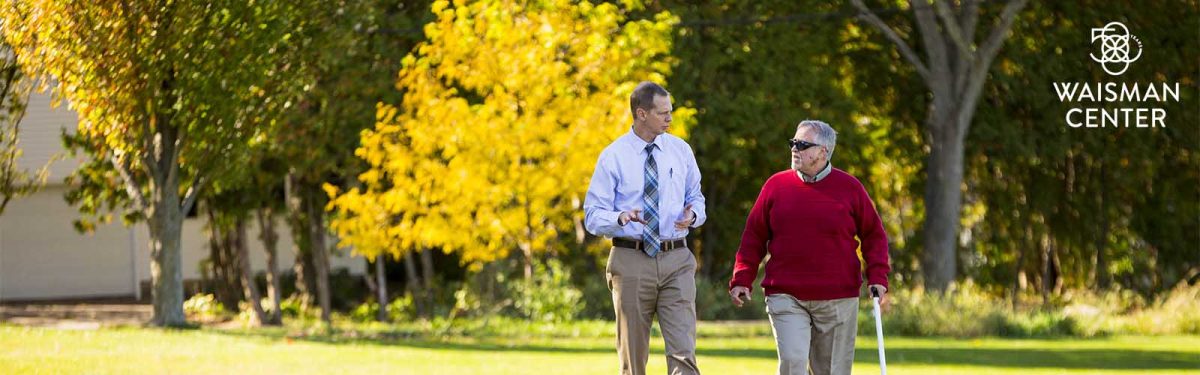
David Gamm works to bring research and medicine into a single vision
David Gamm is adept at keeping multiple things in focus. Gamm, MD, PhD, is a Waisman investigator, director of the McPherson Eye Research Institute, and professor of ophthalmology and visual sciences. With…
-
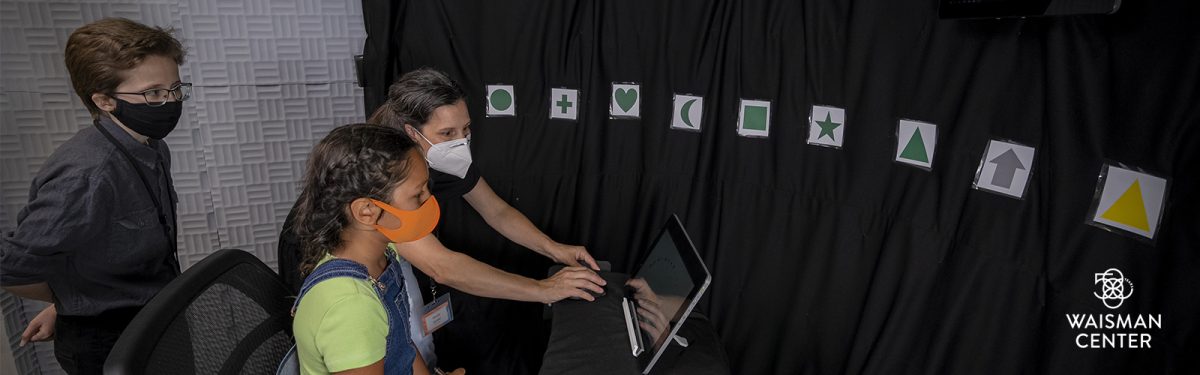
The sound of the Waisman Center’s work to improve cochlear implants
The Waisman Center has been at the forefront of research on cochlear implants and hearing science for more than two decades.
-
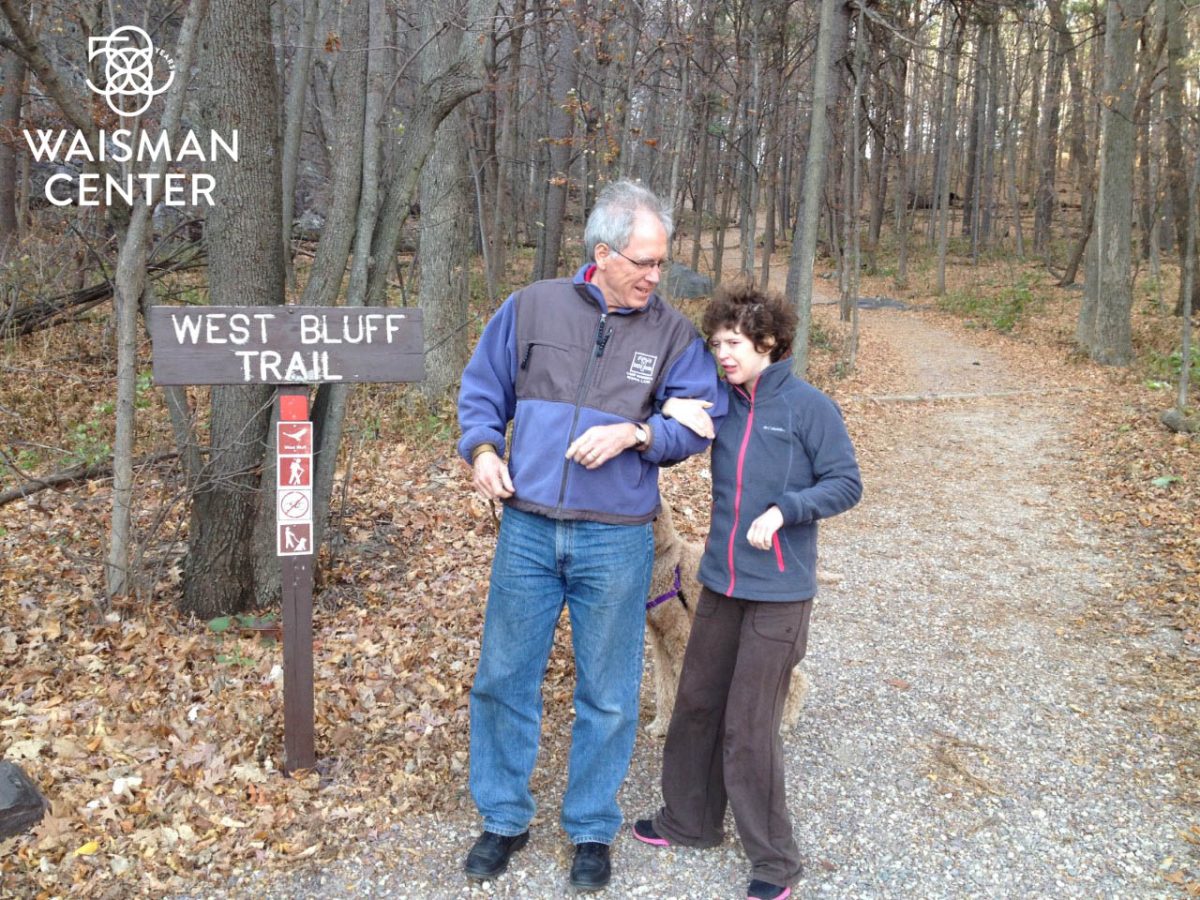
WIN for the win: Wellness Inclusion Nursing helps improve quality of life of individuals with disabilities through nursing consulting
WIN is a Waisman Center Community Outreach Wisconsin (COW) program with nurses that serve as consultants for individuals with intellectual and developmental disabilities (IDD) and their families, caregivers, residential and vocational team…
-

Kennedy’s other moon shot: The origins of intellectual and developmental disabilities research centers and the Waisman Center
When President Kennedy made his inaugural speech in 1961, there was no mention of initiatives on intellectual and developmental disabilities (IDDs). Yet, the efforts by his administration and the Kennedy family to…
-
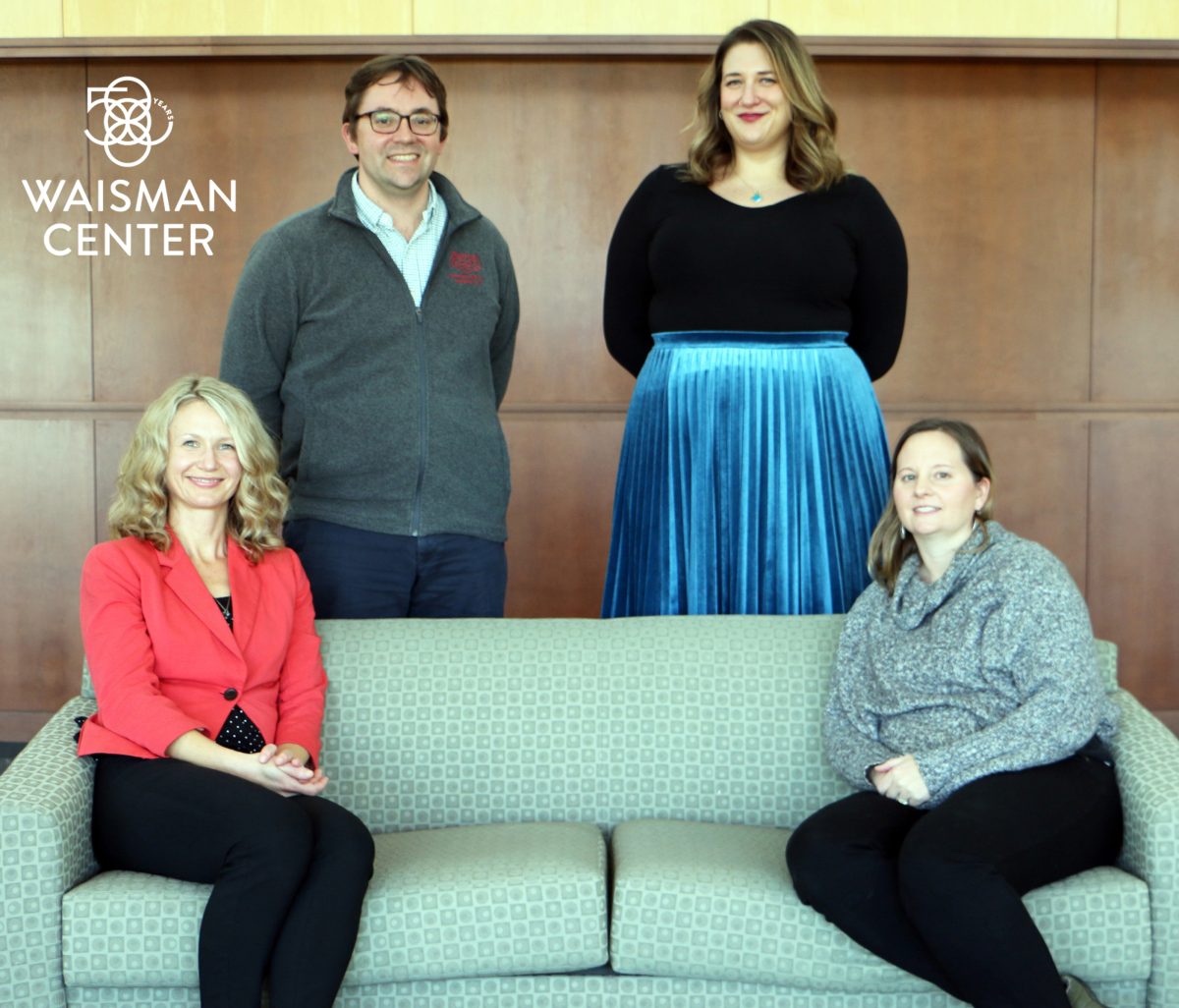
Waisman postdoctoral training program: Training the next generation of IDD researchers
The first two years of the grant provided funding for two seminars in an academic year, but in a short span, seeing the tangible benefits these had, they expanded from two lectures…
-
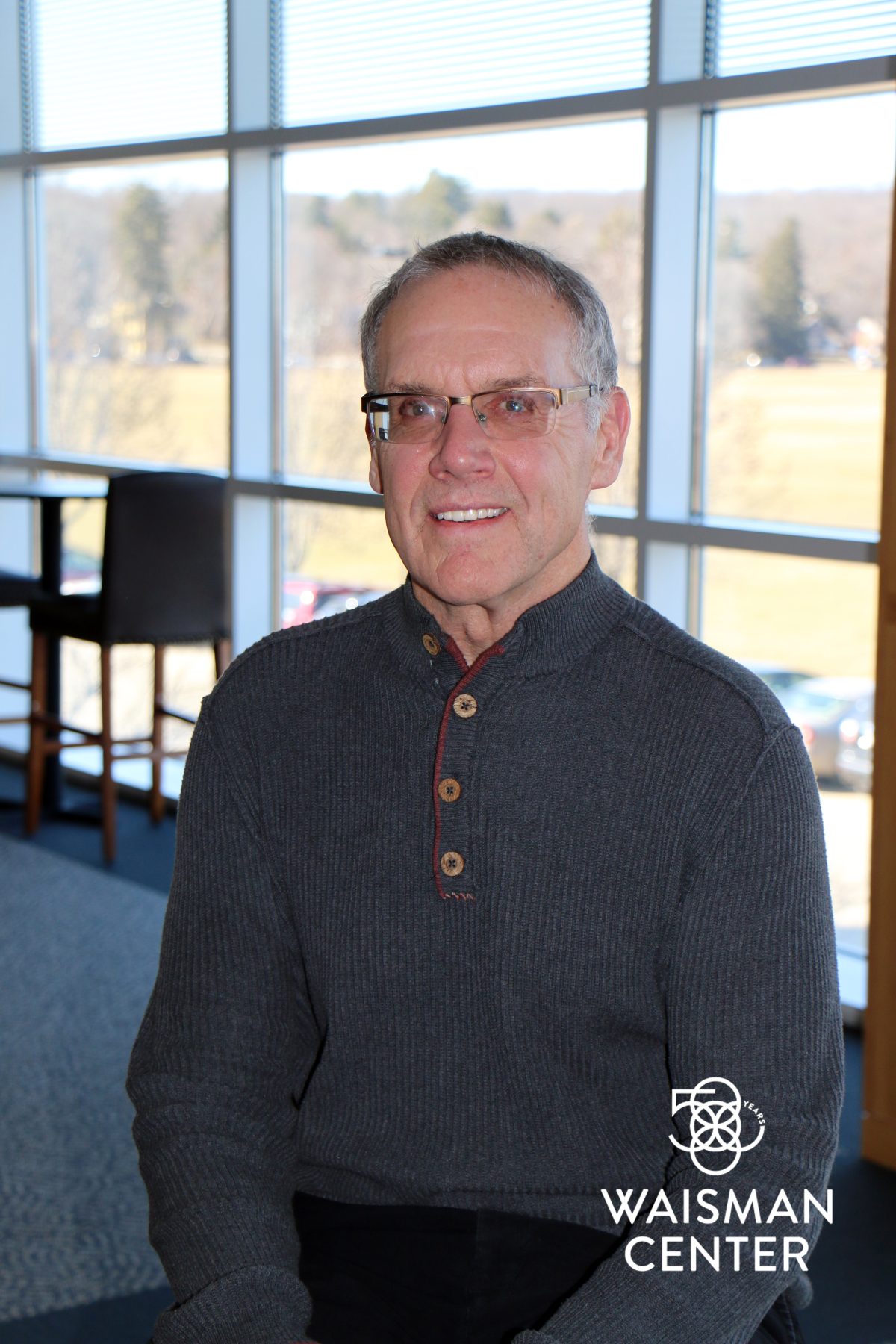
The beginning of full community inclusion: TIES supports individuals with disabilities inclusion in community since 1986
Around 1986, there was a paradigm shift across the country to bring individuals with intellectual and developmental disabilities (IDD) out of institutions and inclusively integrate them into the community.
-
El comienzo de la inclusión comunitaria total: TIES apoya la inclusión de personas con discapacidades en la comunidad desde el 1986
English Por Charlene N. Rivera Bonet, Escritora Científica, Waisman Center Alrededor del 1986, hubo un cambio de paradigma en todo el país para sacar a las personas con discapacidades intelectuales y del…
-
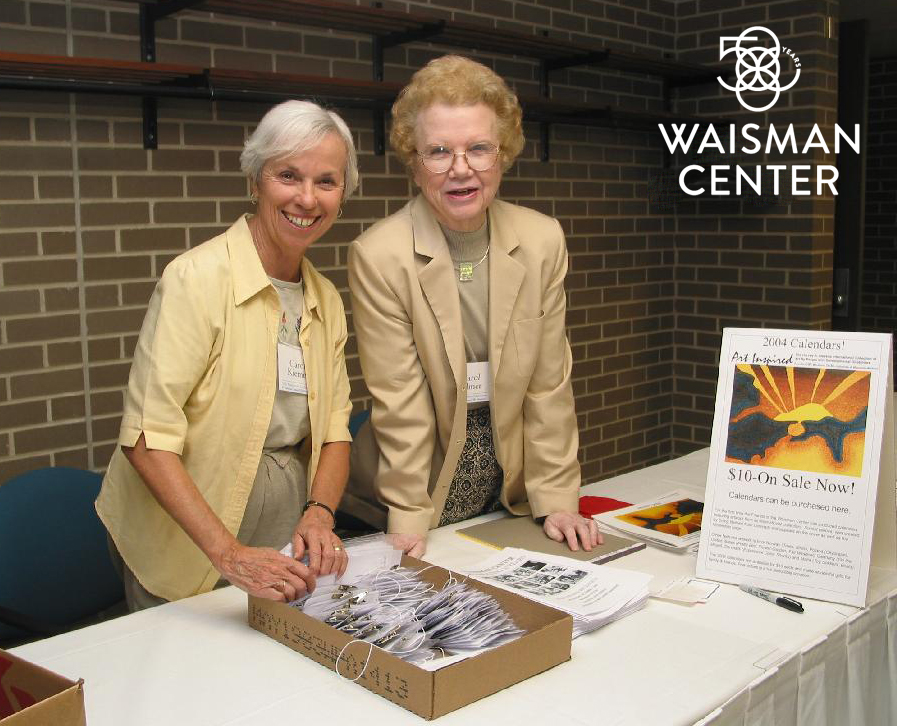
Celebrating Carol and John’s ceaseless support of the Friends
During her time with the Friends board, Carol Palmer defined the meaning of an extraordinary board member through her leadership, dedication, and vision that helped elevate the board to new heights.