
Rare Disorders News
-
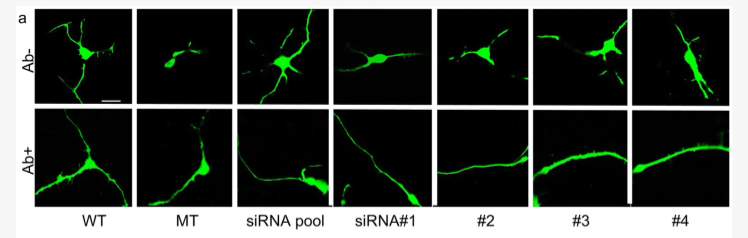
New screening platform accelerates search for Rett syndrome treatments and reveals new disease mechanisms
At a Glance: Developing treatments for rare genetic disorders, such as Rett syndrome, is notoriously difficult, often requiring years of research and significant financial investment. Researchers at the Waisman Center, University of…
-

The Baby Badger Network seeks to make genetic testing more accessible to critically-ill newborns throughout Wisconsin
In Wisconsin, a new initiative is transforming the landscape of neonatal care by making genetic testing more accessible for critically-ill newborns.
-
New research reinforces the link between a cellular quality control system and rare forms of autism
Just like a car factory relies on inspectors to ensure that every vehicle is built correctly, cells depend on internal quality control systems to keep proteins functioning as they should. New research…
-
Newly funded research to study astrocyte dysfunction in Rett syndrome
The lab of Waisman Center director, Qiang Chang, PhD, professor of medical genetics and neurology, has received $1 million in funding from the Department of Defense to study the dysfunction of astrocytes,…
-

Child’s rare condition diagnosed after 14 years of searching
Imagine how it would feel to have a child born seemingly healthy, but then he struggles to grow, walk, learn or talk – and no one can figure out why.
-
Researcher clinicians help bridge the gap between scientific discovery and medical care – Part 1
Research and clinical services go hand in hand. One can’t effectively work without the other.
-
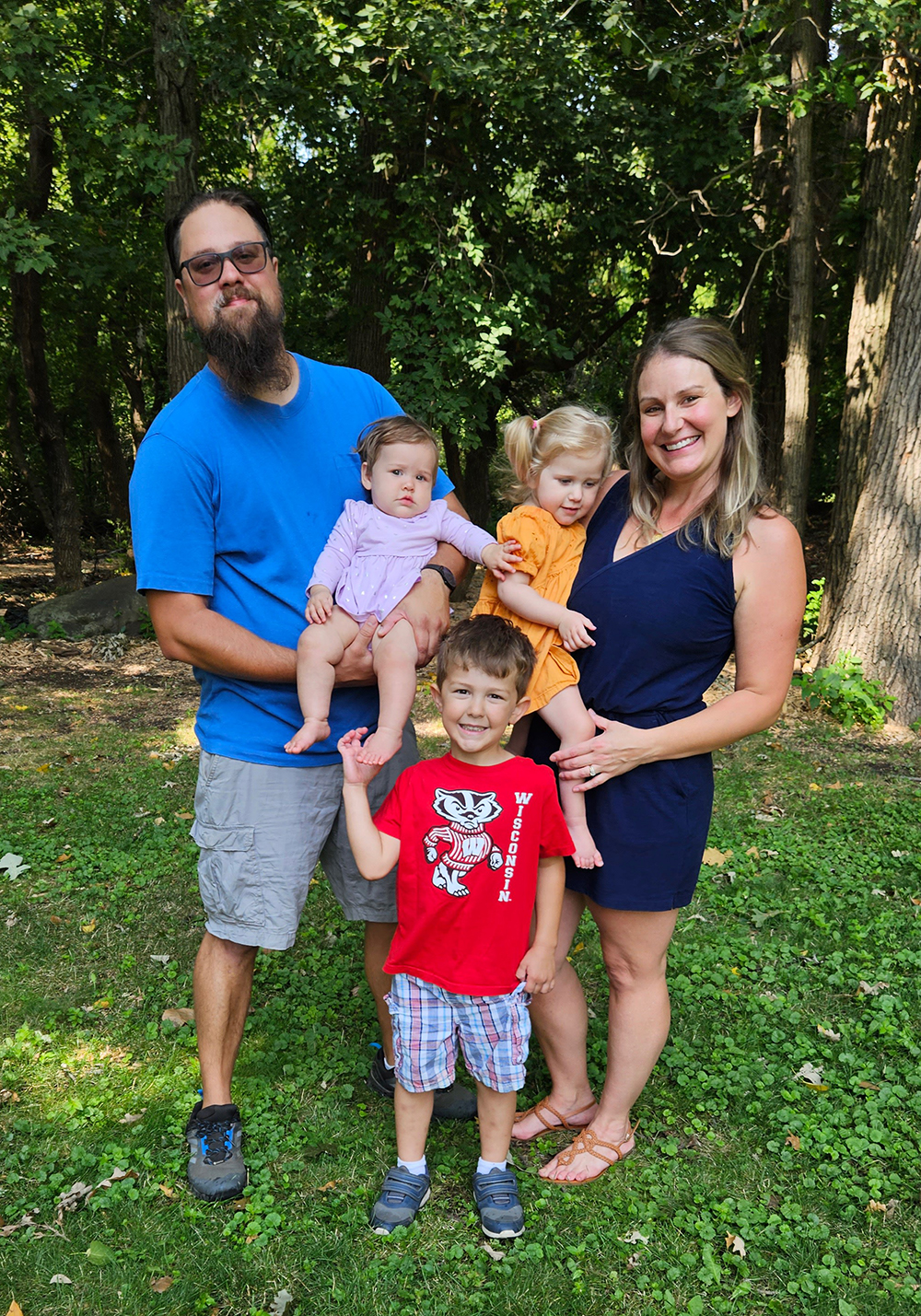
Reaching beyond Rett Syndrome: How a family and the Waisman Center are working to improve care for those with rare syndrome
Several months after Ella’s first birthday, she received her diagnosis of Rett syndrome. “It was devastating, life changing. It’s rare – we hadn’t heard of it before we started this journey and…
-
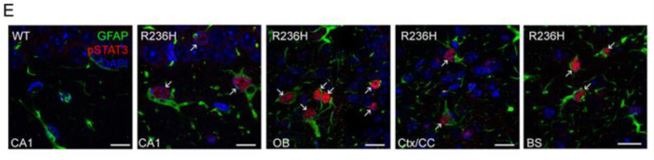
We need to know STAT: Mechanisms behind GFAP accumulation in Alexander disease involve transcription factor STAT3.
The hallmarks of Alexander disease, aggregation of misfolded GFAP proteins and dysregulation of brain cells called astrocytes, may be stopped and reversed in rodent models with the inactivation of the transcription factor…
-
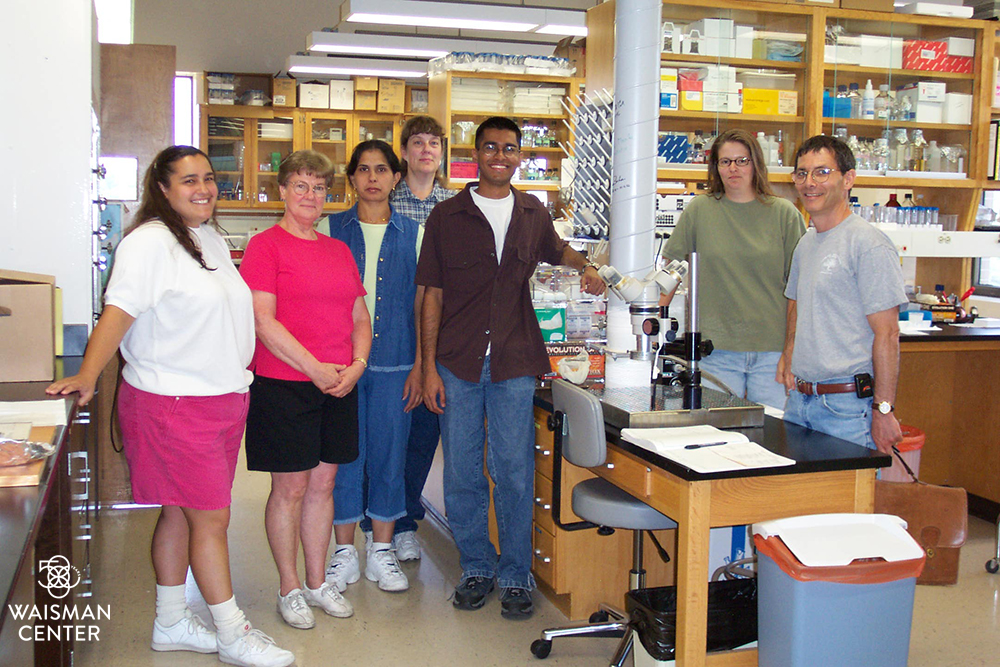
Alexander disease: A lifetime’s work in the hope of saving lives
Messing wanted to study if the overexpression of GFAP resulted in a certain reactive response in the brain.
-
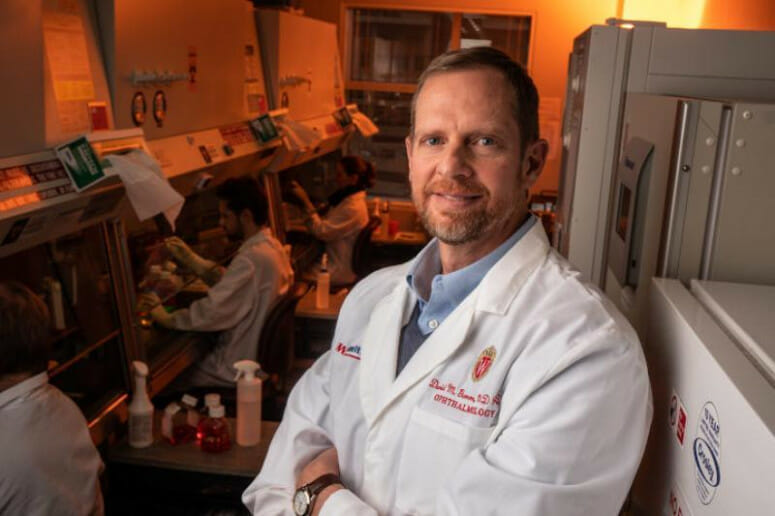
Lab-grown retinal eye cells make successful connections, open door for clinical trials to treat blindness
Retinal cells grown from stem cells can reach out and connect with neighbors, according to a new study, completing a “handshake” that may show the cells are ready for trials in humans…
-
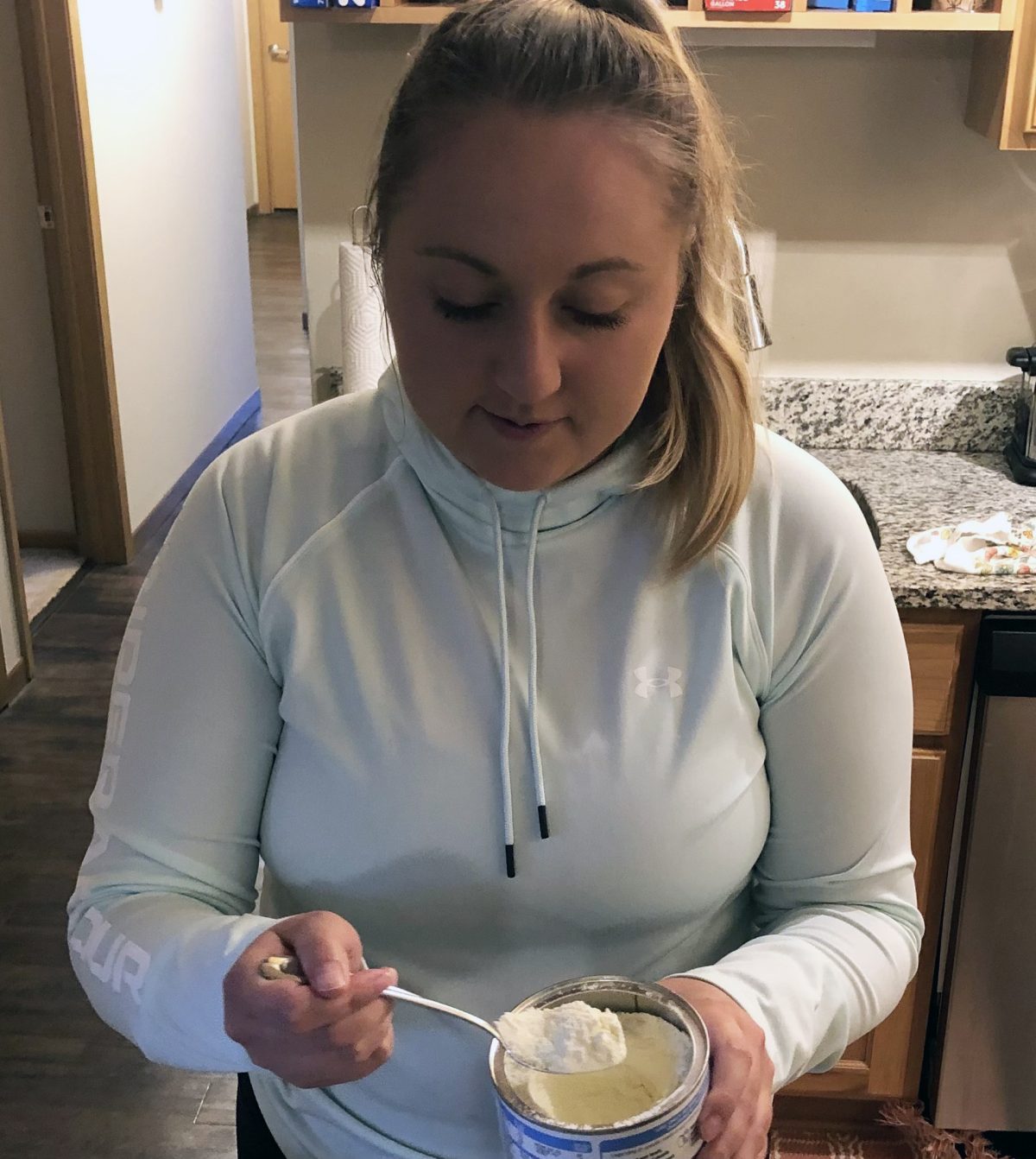
PKU patients around Wisconsin are grappling with the formula shortage too
People with metabolic disorders who require formula to ensure adequate nutrition are among those dealing with a months long shortage — the Waisman Center at UW–Madison is seeking to help source alternatives,…
-
The Bone Dysplasia Clinic’s many decades of helping families
The start of the Waisman Center’s Bone Dysplasia Clinic was a case of serendipity. It was 1980 and Richard Pauli, MD, a pediatric geneticist, had just arrived at UW–Madison. Over the course…
-
A life full of love and magic: Eva S. Borenitsch
Eva Susan Borenitsch was magical. She knew no limits. “We called her our little unicorn,” says her mom Emily Borenitsch.
-
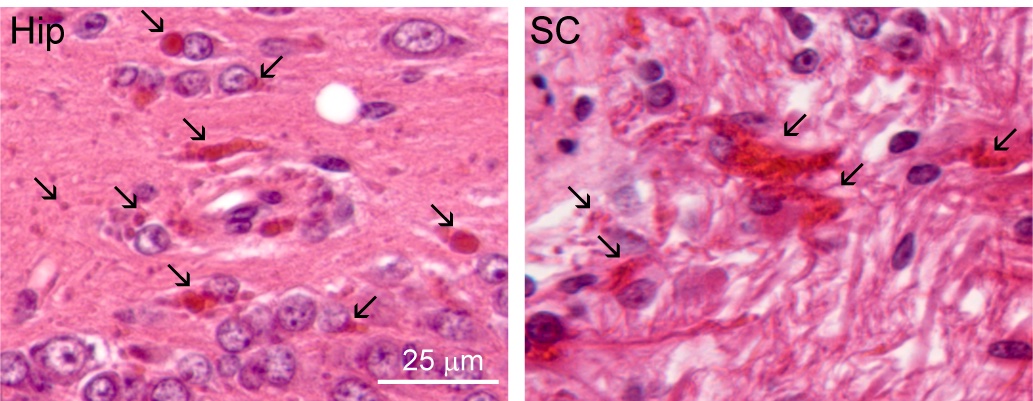
Promising treatment for Alexander disease moves from rat model to human clinical trials
Alexander disease is a progressive and rare neurological disorder with no cure or standard course of treatment. But a new study led by researchers at the University of Wisconsin–Madison involving a rat…
-
Innovative UW Undiagnosed Genetic Disease Clinic seeks to identify rare genetic conditions
The UW Center for Human Genomics and Precision Medicine at the UW School of Medicine and Public Health recently opened its first patient clinic, the UW Undiagnosed Genetic Disease Clinic at the…
-
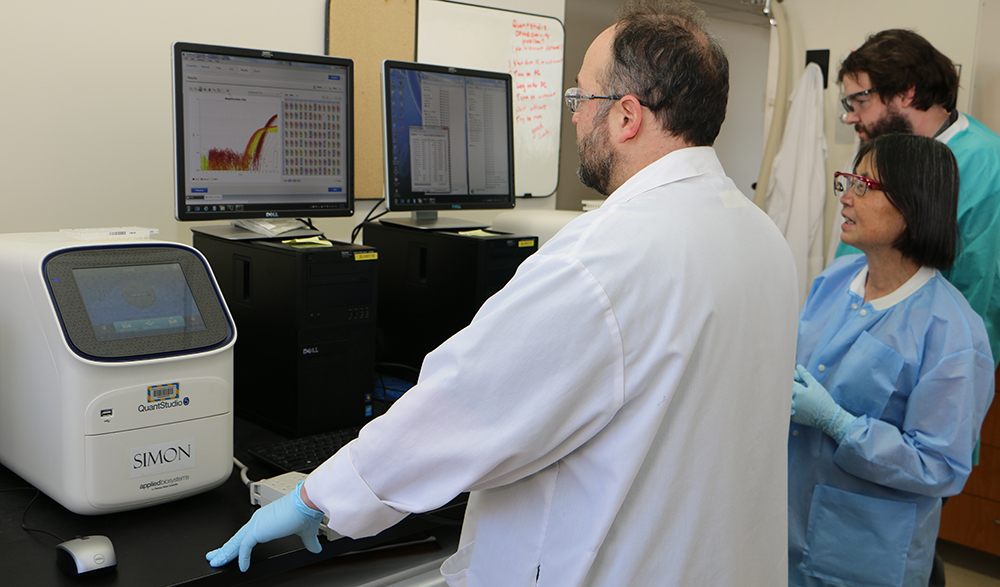
Routine test reveals rare diseases
“The newborn screening is most likely the first test of your child’s life,” says Mei Baker, MD, co-director of the Newborn Screening Laboratory at the Wisconsin State Lab of Hygiene and a…
-
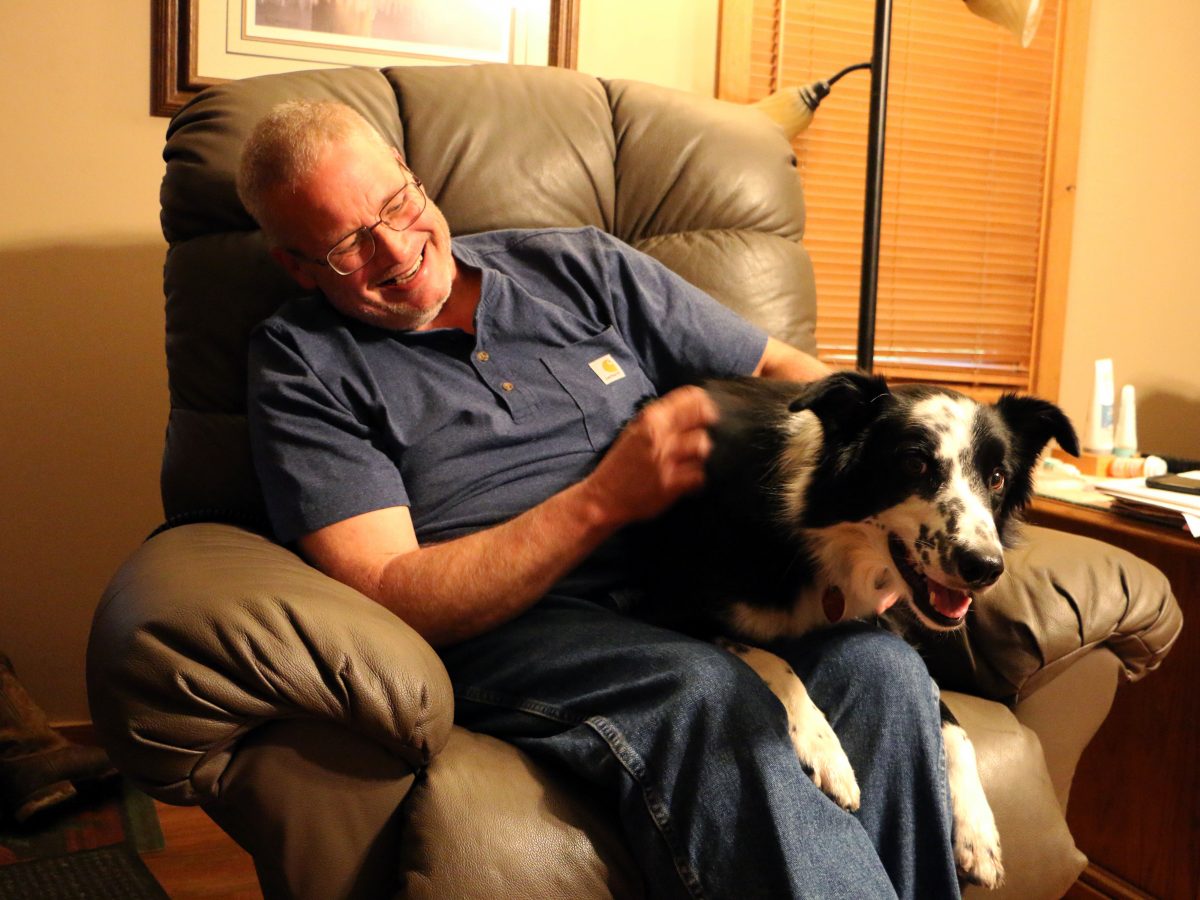
Whole exome sequencing illuminates genetic condition
If you ask David Seamans what his favorite thing to do is, he’ll pause thoughtfully for a moment before responding, “Everything.” He really does mean everything
-
21st century medicine helps Amish deal with rare, inherited illnesses
There is no car in the driveway, neither phone nor electricity in the house. Handmade clothes dry on the line. It’s fall 2018, and La Farge physician James DeLine has brought us…
-
‘Anything can kill her’: Area family credits newborn screening with saving baby’s life
Maddie’s parents know that, although they wish to take her home, the hospital is still the safest place for her. Born in January, Maddie was diagnosed with severe combined immunodeficiency, or SCID,…
-
Mutation in common protein triggers tangles, chaos inside brain cells
In a study published today, Waisman Center investigators Su-Chun Zhang, Albee Messing and colleagues point to new understandings of the broad range of effects that result from the GFAP mutation impacting astrocytes…
-
Blockages in nerve-cell protein ‘factory’ implicated in neurodegenerative disease
Research by Waisman affiliate Jon Audhya shows new insight into the molecular basis underlying the neurodegenerative condition, hereditary spastic paraplegia (HPS). His recent study shows how a mutation in the TFG gene–one…
-
Scientists discover cause of aging-related disease in mice, then reverse its symptoms
In a study published in Aging Cell, researchers at the University of Wisconsin–Madison show that mice making too much of a human protein called AT-1 show signs of early aging and premature…
-
2018 Waisman Center calendar – March
Searching for understanding, and a cure: Rett syndrome is a rare non-inherited neurological disorder that mostly affects girls and causes severe deterioration in their ability to speak, walk, eat and even breathe…
-
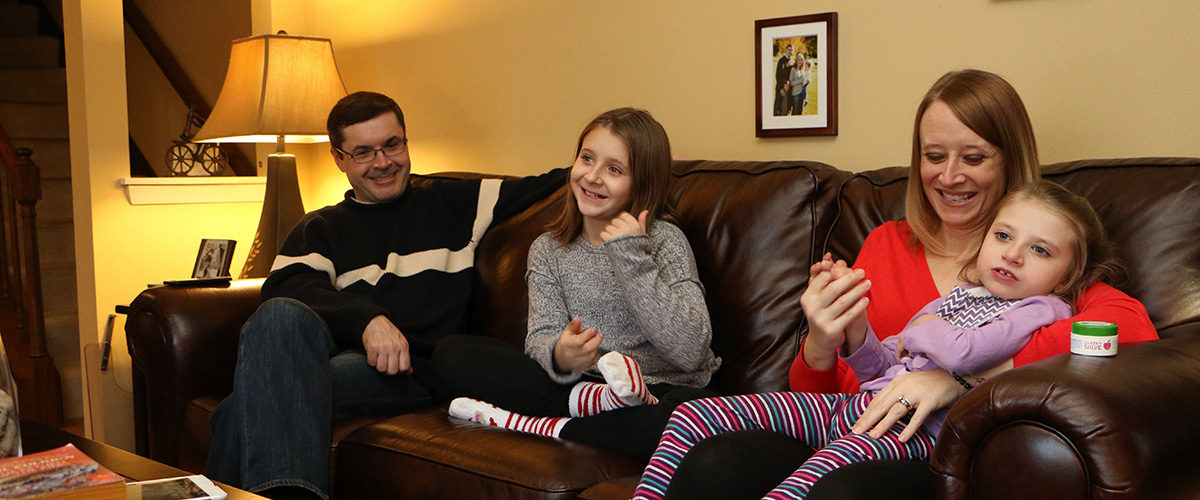
Waisman research into rare syndrome offers hope for families
Laurel Cooper is 8 years old and full of sass and spunk. She finds it hilarious when her older sister, Annalise, gets into trouble. She loves music, and being in the thick…
-
Progress made toward treatment for rare, fatal neurological disease
After more than a decade of work, researchers at the University of Wisconsin–Madison’s Waisman Center reported promising results in the lab and in animal models that could set the stage for developing…
-
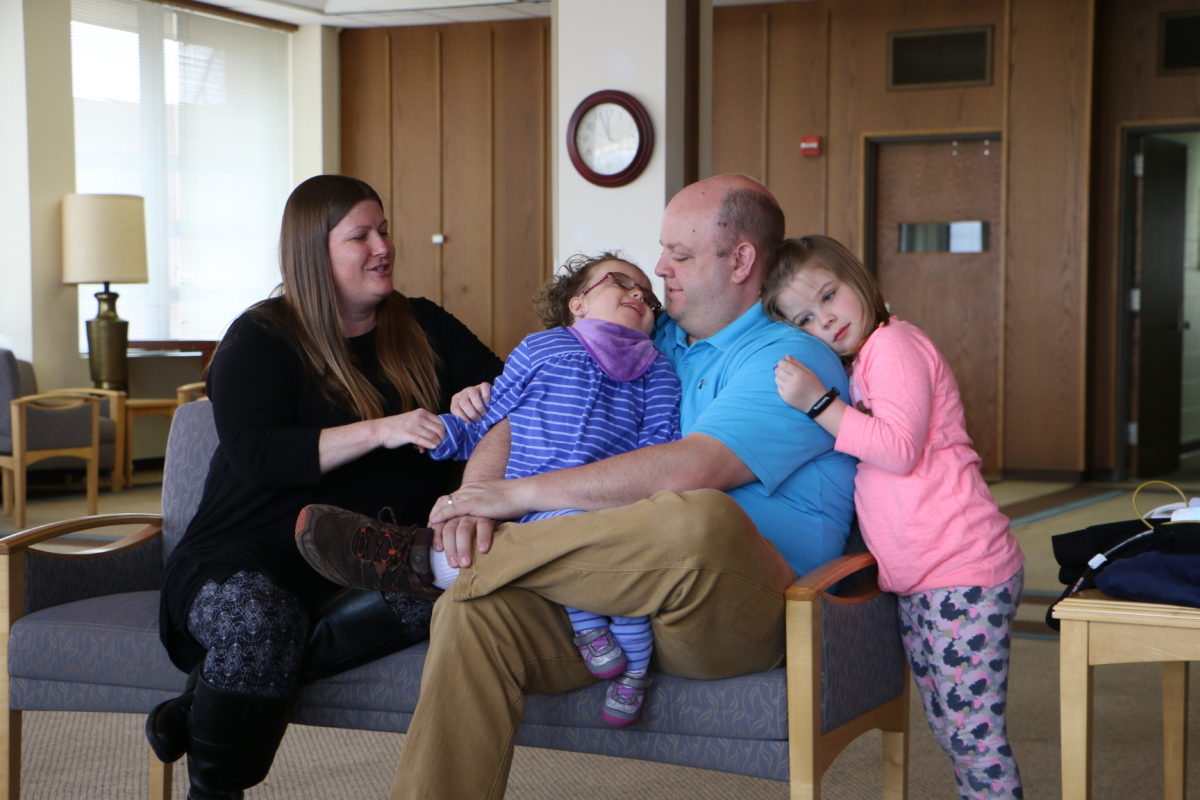
SOFT Conference in Madison, WI
When Leila Adamson was born, doctors weren’t sure that she would live for even 63 seconds. More than 63 months later, in July 2017, she will be in Madison, Wisconsin, along with…
-
Madison County girl hopes to help unlock cure of rare disease
Waisman Center Director, Albee Messing, is collaborating with researchers at the Children’s Hospital of Philadelphia to better understand the progression of Alexander disease, a rare and fatal neurological disorder with no…
-
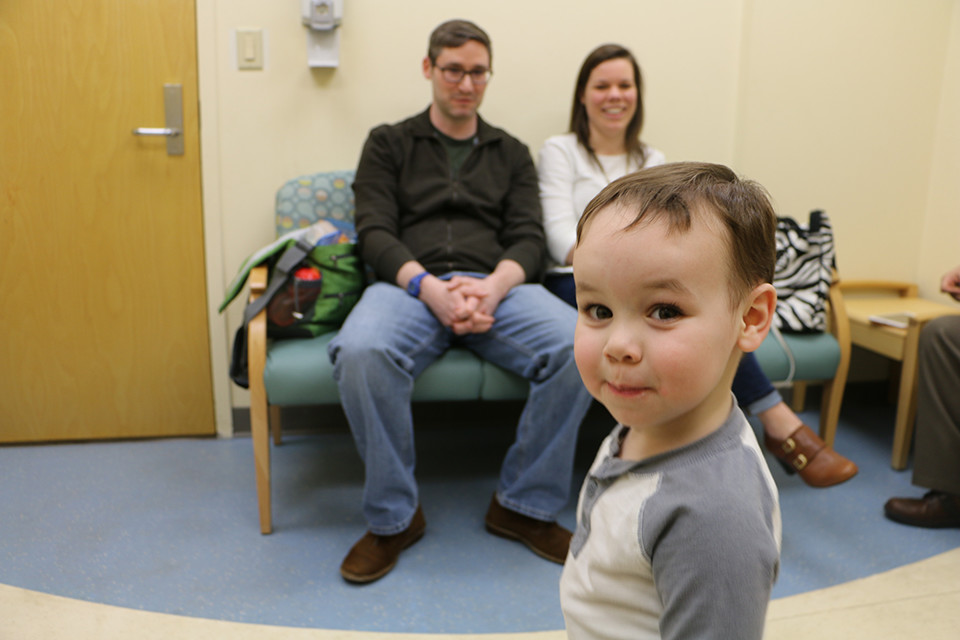
Biochemical Genetics Clinic helps children live healthier, happier lives
Sam Thompson is two-and-a-half years old and a super-charged giver of hugs.His green eyes sparkle as he first embraces his physician, Jessica Scott Schwoerer, and then his dietitian, Nikki Drilias. Then it’s…
-
Better understanding a devastating neurological disease
Waisman Center investigator John Svaren collaborated with Ian Duncan, a professor of veterinary medicine at the University of Wisconsin–Madison, and others on a study that offers new insight into a rare human…
-
Researchers make headway toward understanding Alexander disease
Researchers at the University of Wisconsin–Madison have made a surprising and potentially crucial discovery about Alexander disease, a rare and fatal neurological disorder with no known cure. Using a mouse model for…
-
Study finds a key to nerve regeneration
Researchers at the University of Wisconsin–Madison have found a switch that redirects helper cells in the peripheral nervous system into “repair” mode, a form that restores damaged axons. Axons are long fibers…
-
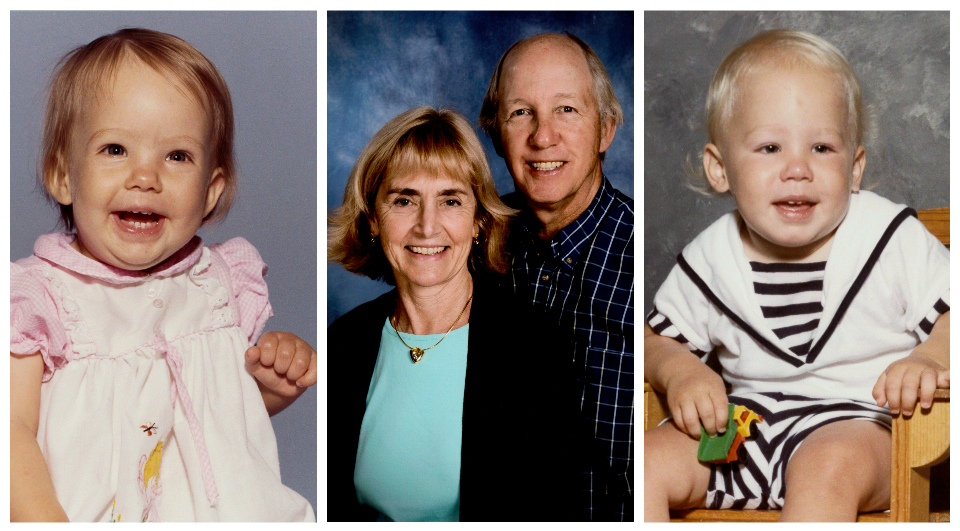
A rare gift: Family endows professorship in memory of children
In their photographs, Jenni and Kyle Geurkink look like happy, healthy children. Jenni has a captivating smile and a twinkle in her eyes. Kyle is a sturdy toddler who loves brooms, mops…
-
A case of (peripheral) nerves
Every day, Waisman Center researcher John Svaren deals with nerves – peripheral nerves, that is. Peripheral nerves connect the brain and spinal cord to our limbs and organs, serving as vital communication…
-
Su-Chun Zhang has a unique view of Wisconsin Institutes for Medical Research
From his sixth-floor laboratory in the University of Wisconsin Waisman Center, Su-Chun Zhang, MD, PhD, has a unique vantage point on the second tower of the Wisconsin Institutes for Medical Research (WIMR…
-
Rare disease yields clues about broader brain pathology
Alexander disease is a devastating brain disease that almost nobody has heard of — unless someone in the family is afflicted with it. Alexander disease strikes young or old, and in children…
-
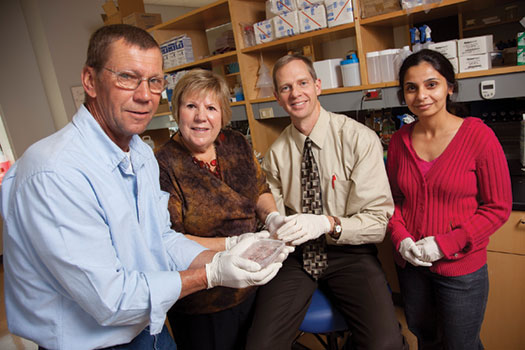
A Promising Sight
But the specks in the Petri dishes were the result of years of research in the laboratory of David Gamm, an ophthalmologist at the UW’s Waisman Center. And as members of the…
-
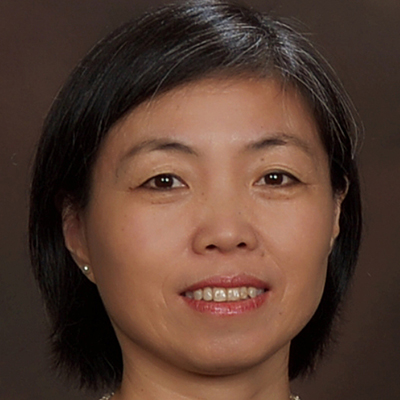
Xinyu Zhao, PhD, develops “green” mouse model for Rett Syndrome
The majority of individuals with Rett syndrome are female and are considered genetically ‘mosaic’ due to random inactivation of the X-chromosome (XCI) which occurs in around half of all their cells.
-
Huntington’s cure in flies lays groundwork for new treatment approaches
Boosting levels of two critical proteins that normally shut down during Huntington’s disease, researchers at UW–Madison and the Cold Spring Harbor Laboratory have cured fruit flies of the genetic, neurodegenerative condition.
-
Researchers report major advance in gene therapy technique
Despite a roller-coaster ride of ups and downs during the past 15 years, gene therapy has continued to attract many of the world’s brightest scientists.
-
Baby Picked Good Time, Birthplace
Wisconsin Is In The Forefront Of Genetic Screening, So Infant’s Disorder Was Spotted And Treated. Patricia Simms, Wisconsin State Journal Reprinted by Permission Myles Tesky is an unlikely traveler on the frontier…