
Intellectual and Developmental Disabilities (IDD) News
-
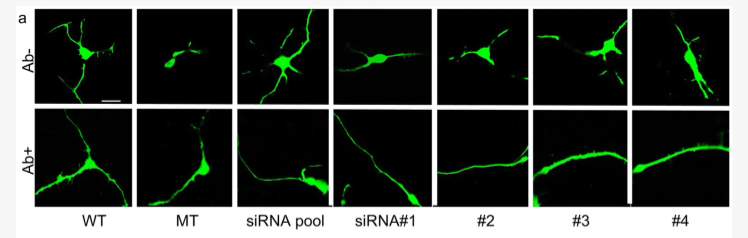
New screening platform accelerates search for Rett syndrome treatments and reveals new disease mechanisms
At a Glance: Developing treatments for rare genetic disorders, such as Rett syndrome, is notoriously difficult, often requiring years of research and significant financial investment. Researchers at the Waisman Center, University of…
-
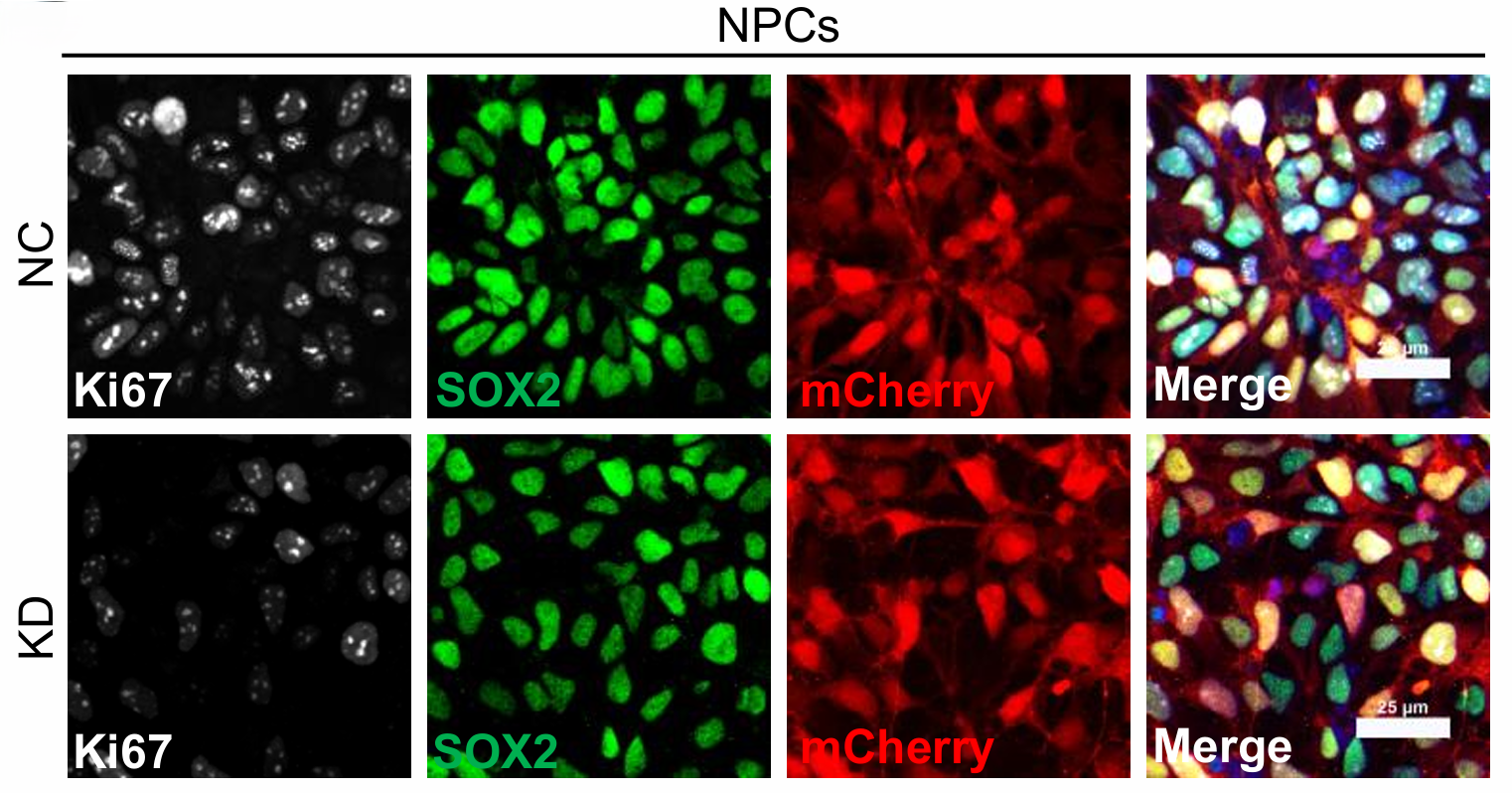
RNA-binding protein identified as key regulator of brain development
A new Waisman Center, University of Wisconsin–Madison study has identified a critical regulator of this early process of cell fate called FXR1, a protein that binds RNA to regulate the abundance of…
-
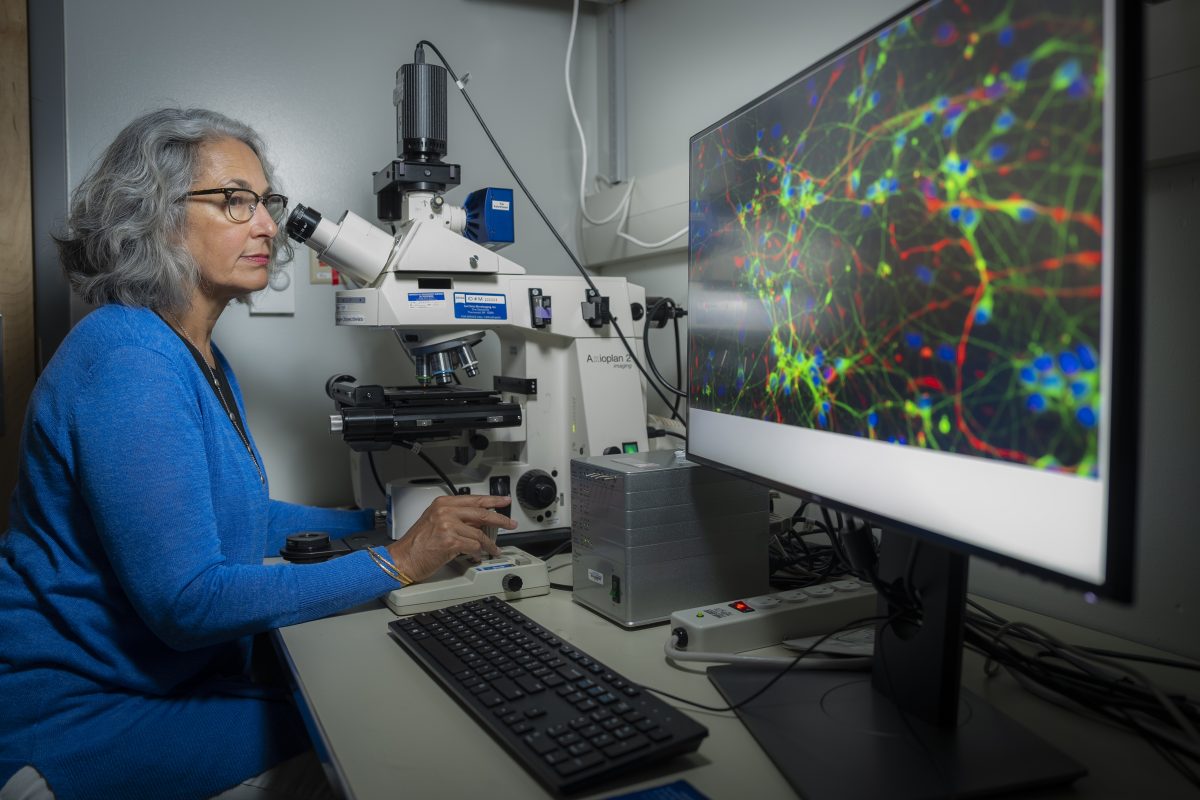
New drug shows promise for treating Down syndrome-related brain changes
Individuals with Down syndrome have differences in how their brains form that cause intellectual disability. Down syndrome or trisomy 21 is the most common genetic cause of intellectual and developmental disability and…
-
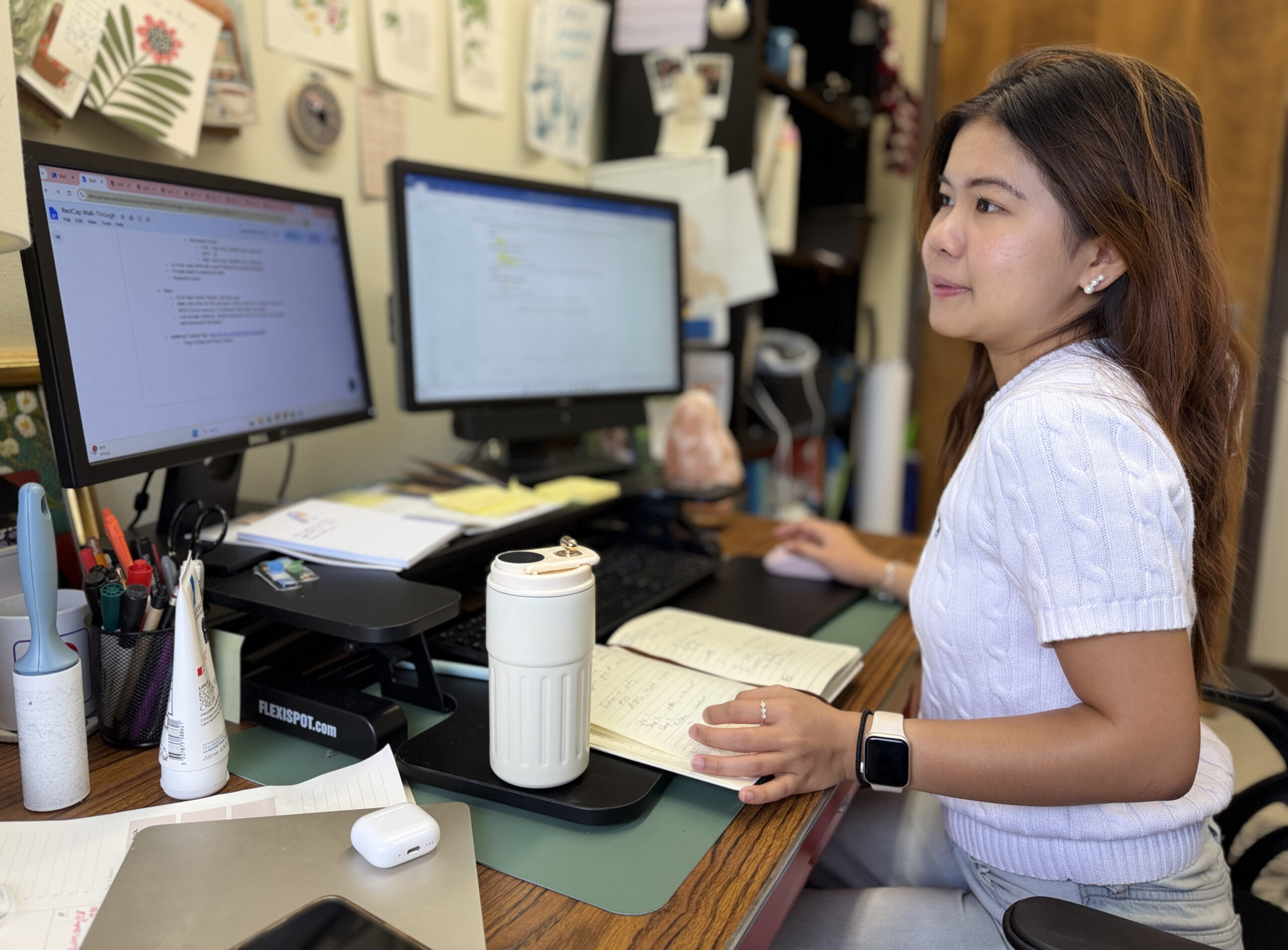
Lawrence University senior takes on language development research at Waisman
Giang Pham, a rising senior from Lawrence University in Appleton, is spending her second summer doing research at the Waisman Center University of Wisconsin–Madison as part of an internship program established and…
-
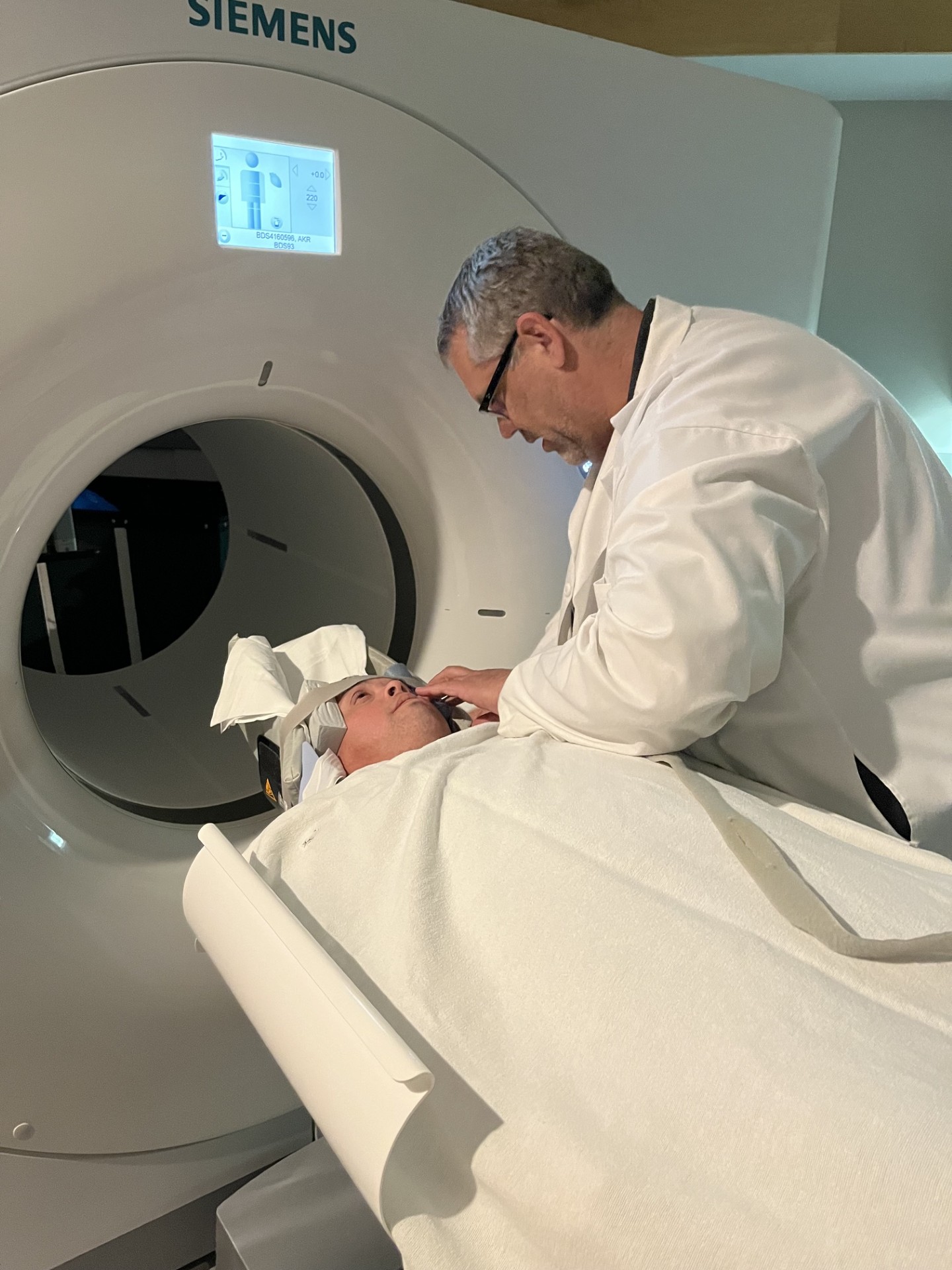
Puerto Rico to become a site for The Alzheimer Biomarker Consortium – Down syndrome
Puerto Rican families have started traveling to Wisconsin to be part of the research study, but the goal is to build the infrastructure to eventually conduct the studies on the island.
-
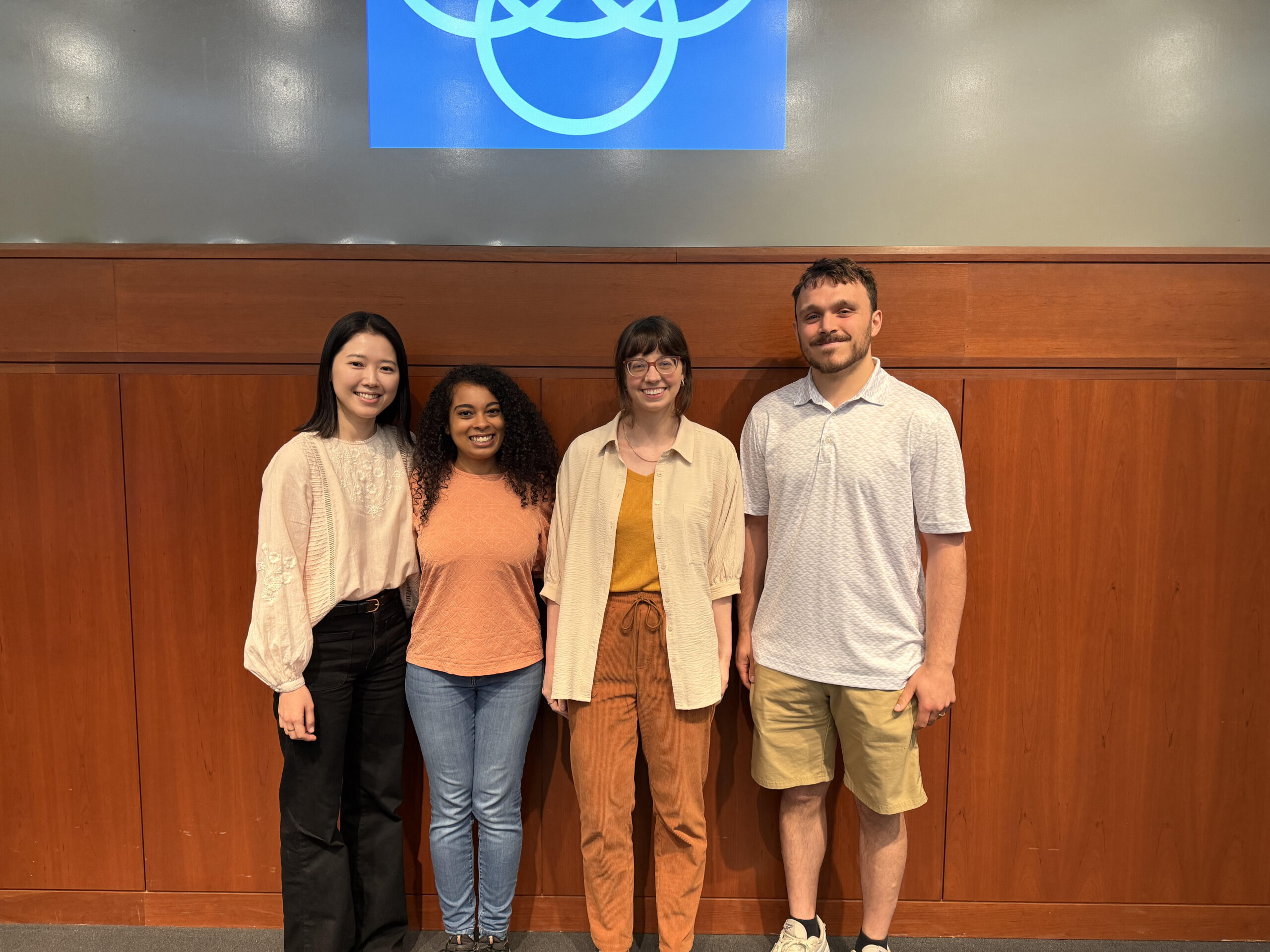
A springboard for scientific independence: Inside Waisman’s T32 Postdoctoral Training Program
At a Glance: Postdoctoral fellowships occupy an unusual space between being a graduate student and becoming an independent scholar. The postdoc stage is marked by a focus on refining research skills, expanding…
-
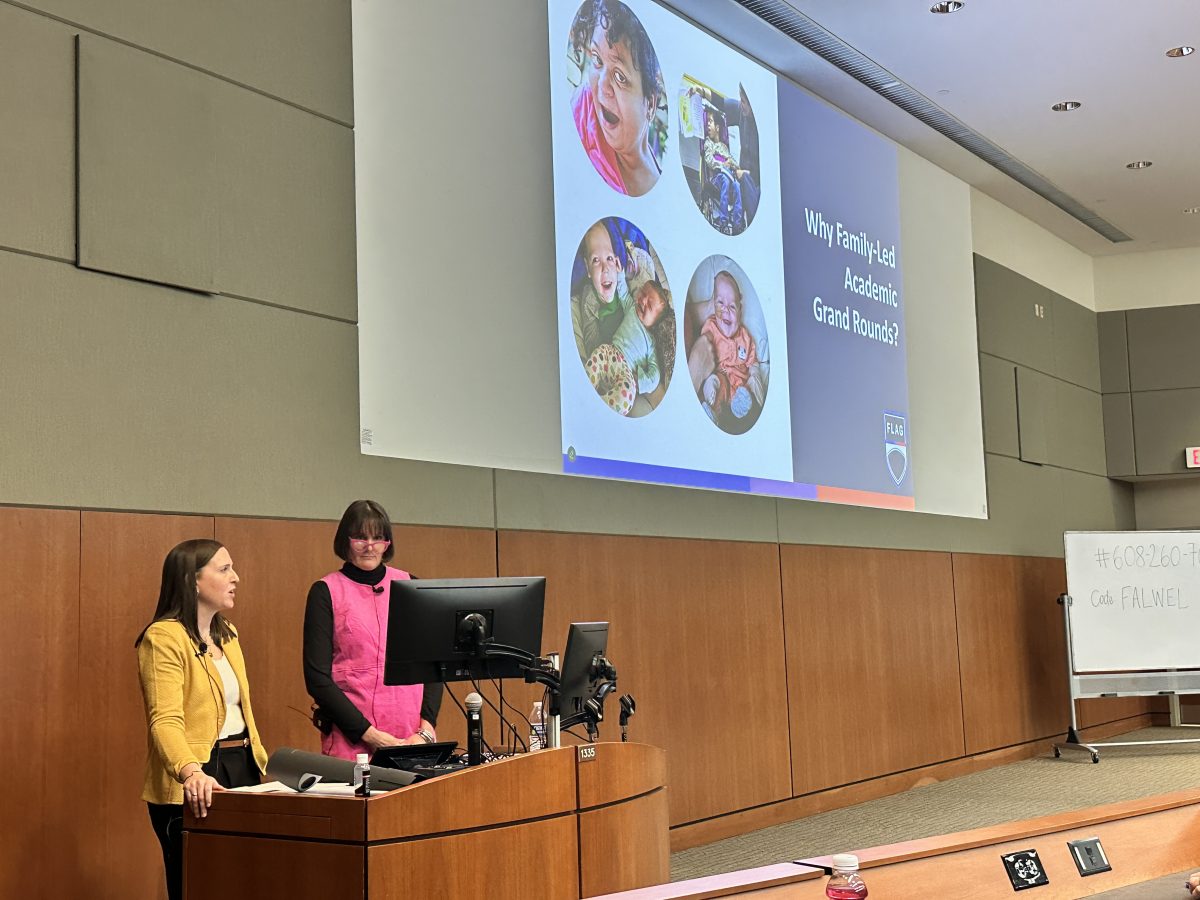
Family-Led Academic Grand (FLAG) Rounds: Family stories as a tool for teaching patient and family-centered care to medical trainees
FLAG Rounds were developed by Coleman and Danielle Gerber to use family faculty, or family members of children with complex medical needs as lecturers, and storytelling as a strategy to develop the…
-
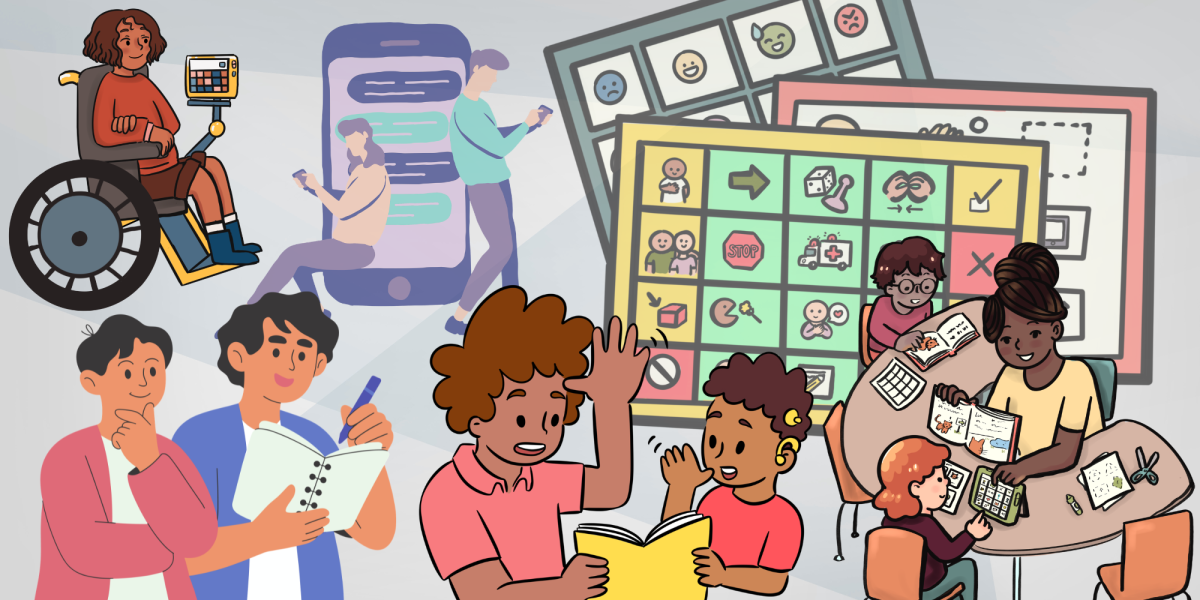
Typing, tapping, and eye-gaze tracking: Augmentative and alternative communication provides crucial access to communication when speech is out of reach
For many, talking is as easy as breathing. A few words to tell your friend that you are hungry and ready for lunch. A long rant to your partner about frustrations at…
-

New book shares the experiences of individuals with disabilities through the COVID-19 pandemic using photos
The Pandemic Cancelled It, and They Never Brought It Back takes readers into the daily lives of individuals with intellectual and developmental disabilities during the COVID‑19 pandemic, using their own photographs and…
-
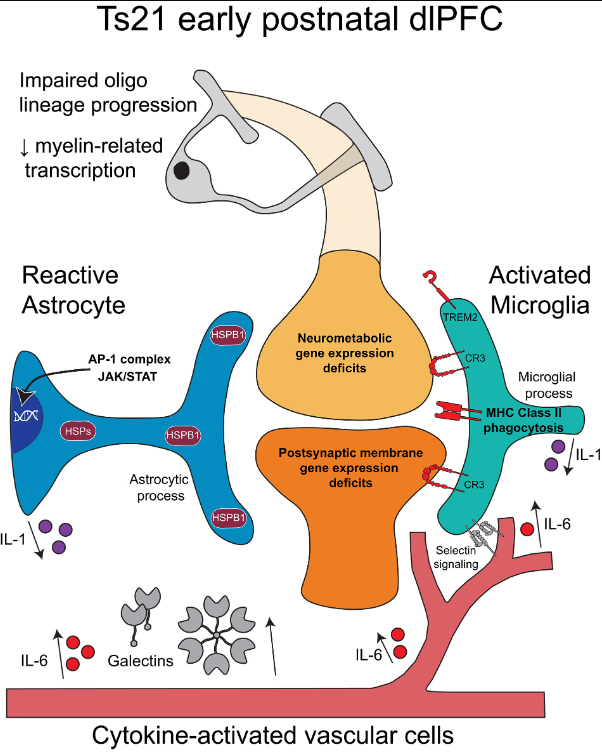
Earliest signs of neurodegeneration in Down syndrome detected shortly after birth, new Waisman study shows
Signs of neurodegeneration in individuals with Down syndrome may start as early as birth, a critical stage of brain development, a new study shows. The research, from investigators at the Waisman Center,…
-
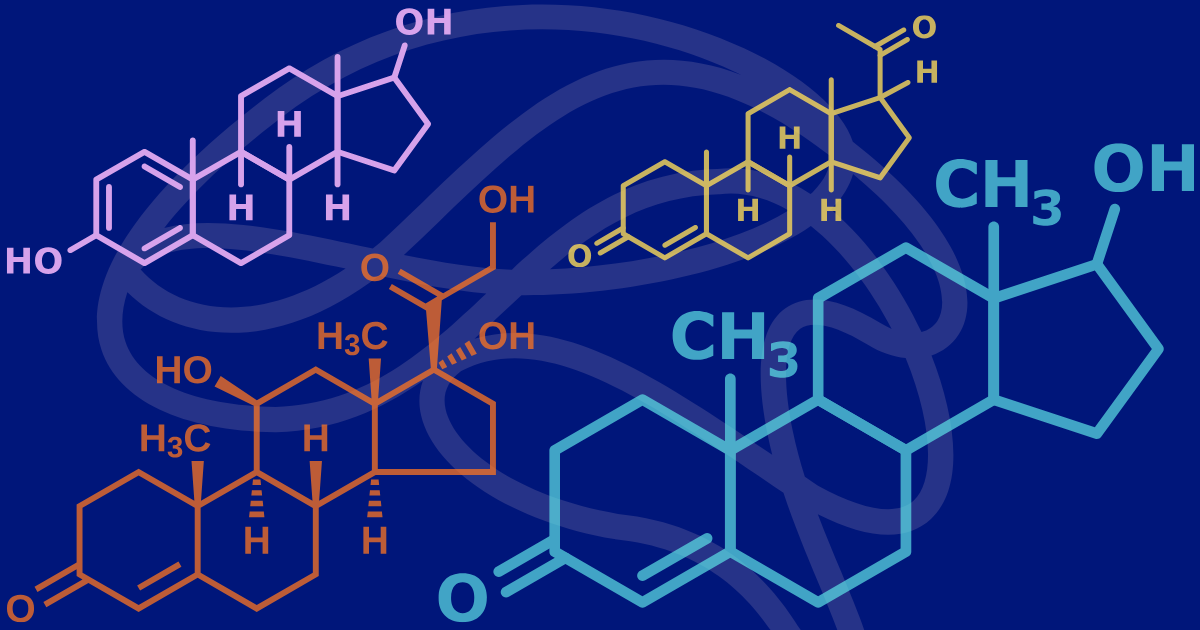
Drug shifts a key hormone after newborn brain injury – but only in females
A blood test alone cannot tell the full story of what’s happening inside a newborn’s brain after a brain injury. New research from the Waisman Center at the University of Wisconsin–Madison suggests…
-
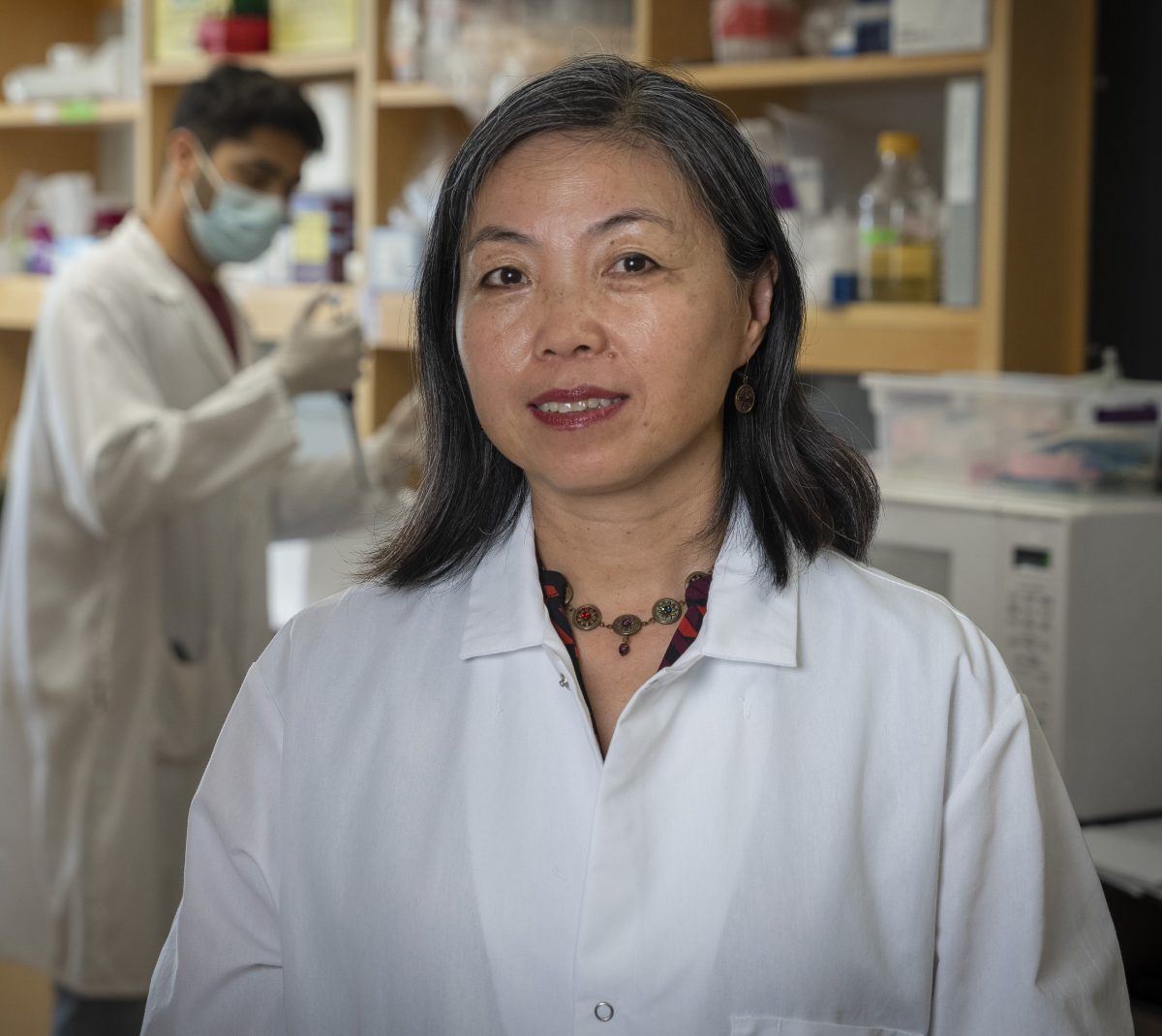
Eagles Autism Foundation funds new research on use of nanotechnology to deliver gene-editing tools to the brain
A new research study at the Waisman Center has been funded by the Eagles Autism Foundation to develop a precise, safe, and broadly applicable method for correcting a single-gene mutation associated with…
-
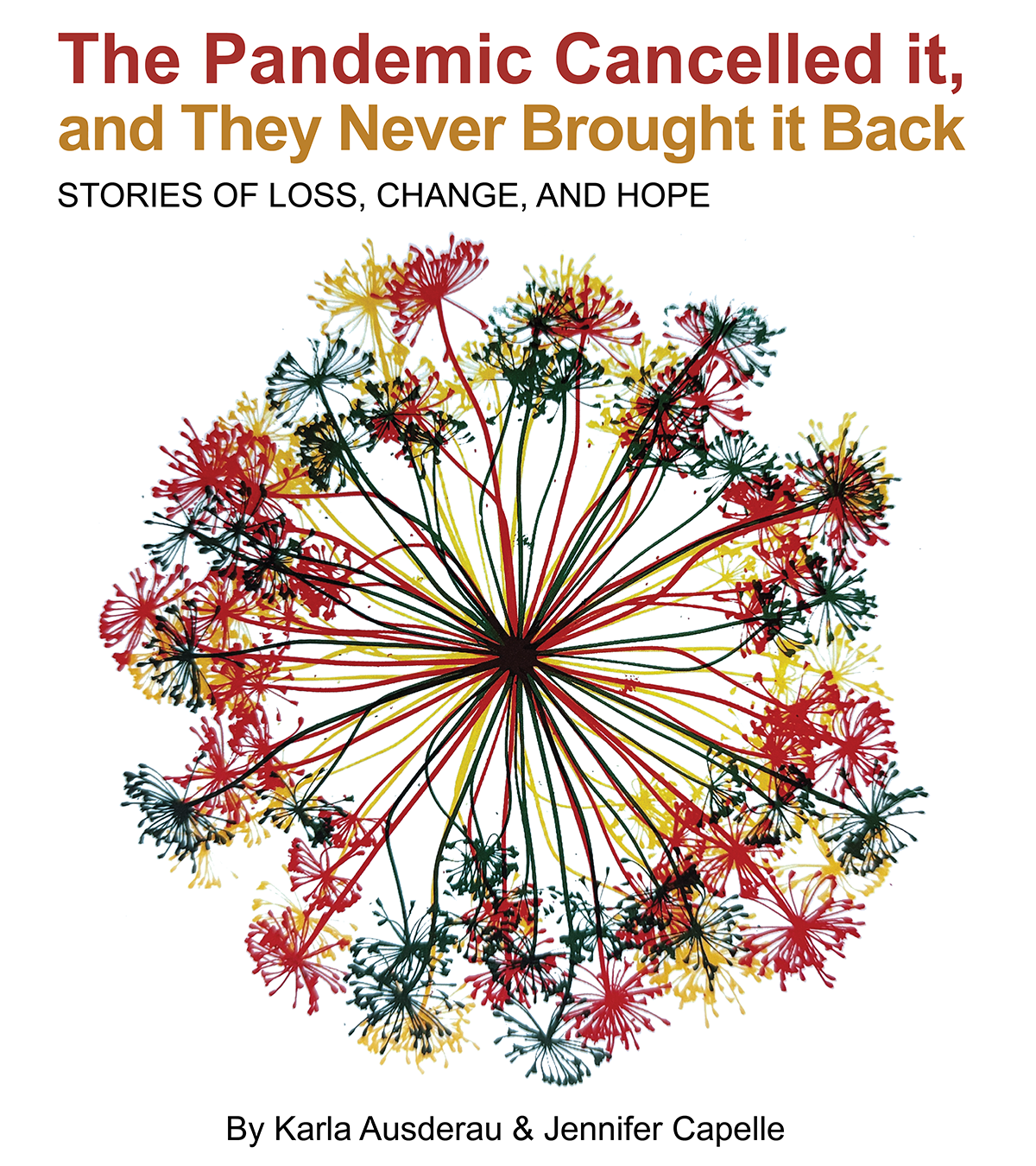
Gallery Walk: The Pandemic Cancelled It, and They Never Brought It Back
The gallery walk goes from Monday, April 6 through Thursday, April 30, 2026 and will be accessible during regular business hours in the John D. Wiley Conference Center hallway at the Waisman…
-

Developmental markers have the potential to make diagnosing autism in individuals with Down syndrome easier
Down syndrome, a neurodevelopmental condition caused by a triplicated 21st chromosome, often presents with co-occurring developmental conditions such as autism. But diagnosing autism in someone with Down syndrome can be difficult as…
-
Understanding why individuals with disabilities continue to be left out of health research
Individuals with disabilities face significant health disparities, yet remain underrepresented in health research. There is substantial evidence that individuals with intellectual and developmental disabilities are systematically excluded from health research, even when…
-

The newly funded Autism Research Consortium seeks to accelerate timely access to care for autistic individuals
Researchers at the Waisman Center’s University Center for Excellence in Developmental Disabilities (UCEDD) were recently awarded a grant from the Health Resources & Services Administration (HRSA) to support research to improve the…
-
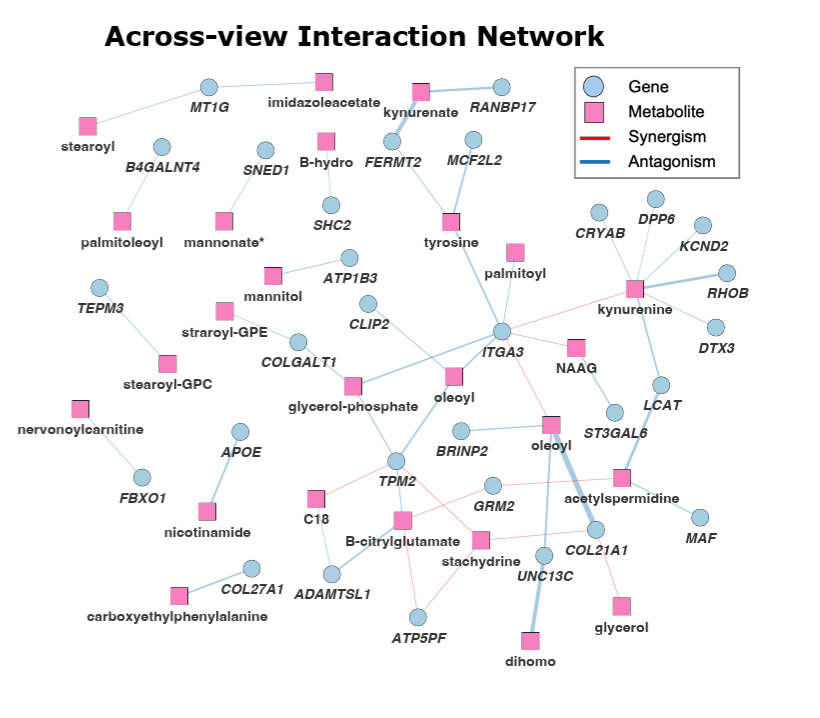
New algorithm helps decipher complex biological data to advance neurodevelopmental research
A new machine learning algorithm developed at UW–Madison is helping researchers untangle a complex puzzle: the molecular mechanisms behind developmental disabilities and neurodegenerative diseases. COSIME, created by the lab of Waisman investigator…
-
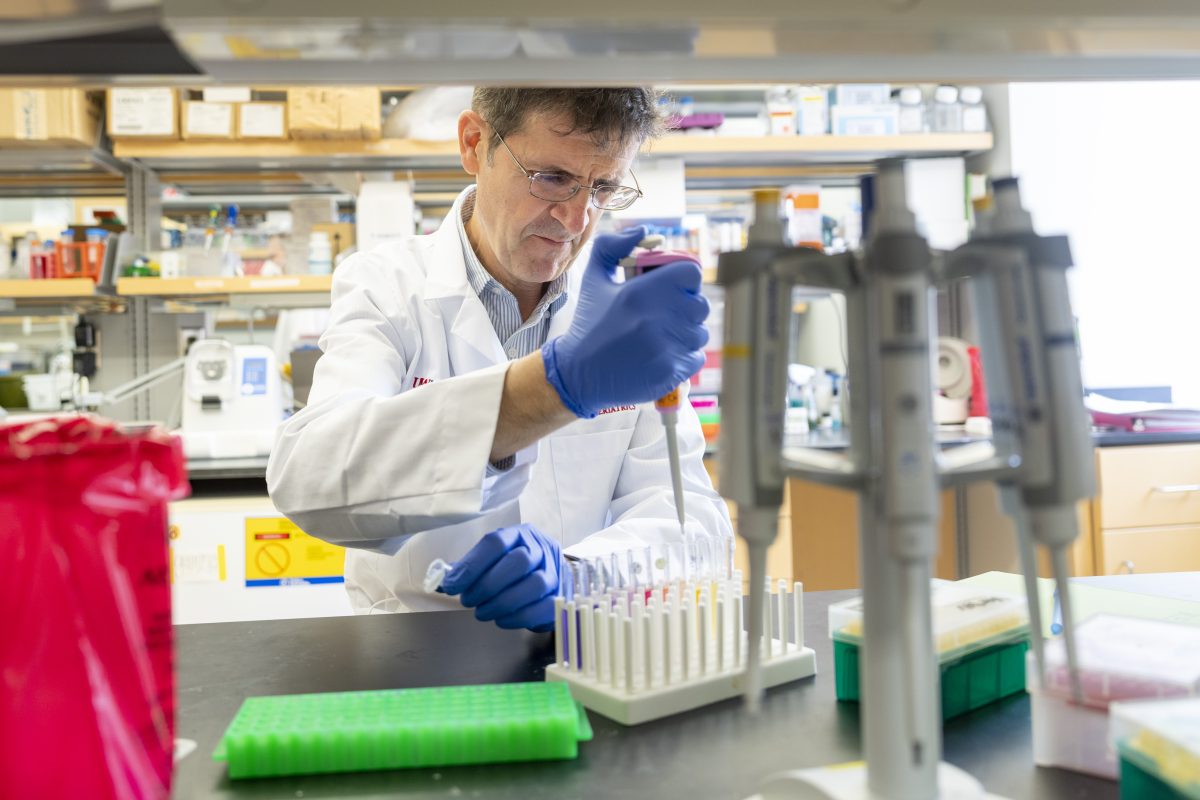
New research reinforces the link between a cellular quality control system and rare forms of autism
Just like a car factory relies on inspectors to ensure that every vehicle is built correctly, cells depend on internal quality control systems to keep proteins functioning as they should. New research…
-

As Trump warns of danger with acetaminophen, autism community calls for support, not cure
Natalie Eilbert Milwaukee Journal Sentinel At 40, Erin Miller takes solace in the ordinary joys of life. She goes on nature walks, watches the seasonal butterflies, enjoys a good bowl of ice…
-
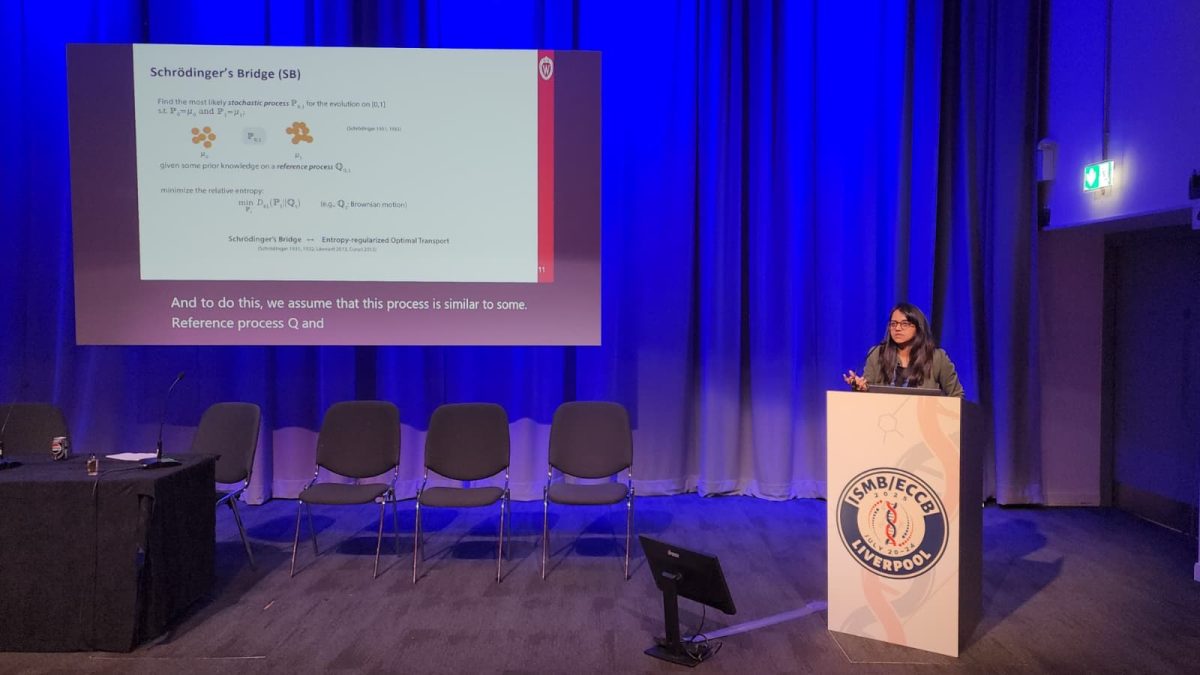
Meet ARTEMIS: The new AI helping researchers reconstruct the hidden stories of cell development
Building a complete developmental trajectory of cells is close to impossible with today’s technology, but new technology developed at the Waisman Center is taking scientists a step closer to achieving it. Machine…
-
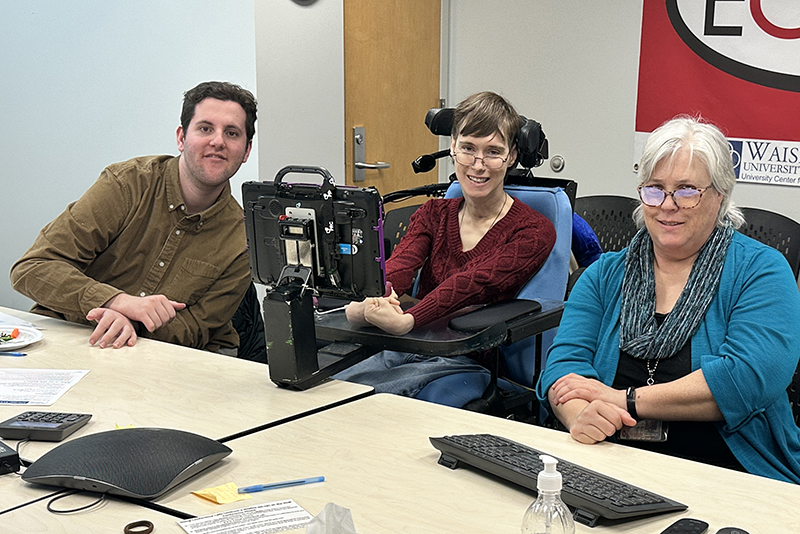
Wisconsin LEND trainees visit state legislators to share their personal stories and educate about the impact of Medicaid on Wisconsinites with disabilities
The Wisconsin LEND Program prepares individuals with disabilities to engage in policy discussions, giving them the tools and confidence to make their voices heard.
-
Health trajectory of mothers of children with developmental disabilities shows a ‘wear-and-tear’ effect starting around age 65
Mothers of children with developmental disabilities experience long-term stress, adapting for many years but showing signs of ‘wear-and-tear’ starting around age 65, affecting their physical and mental health.
-
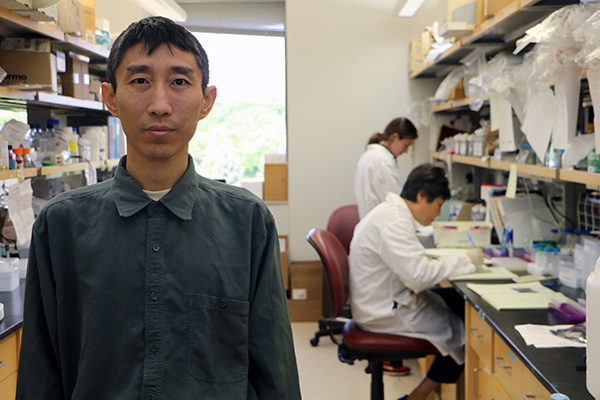
Newly funded research to study astrocyte dysfunction in Rett syndrome
The lab of Waisman Center director, Qiang Chang, PhD, professor of medical genetics and neurology, has received $1 million in funding from the Department of Defense to study the dysfunction of astrocytes,…
-
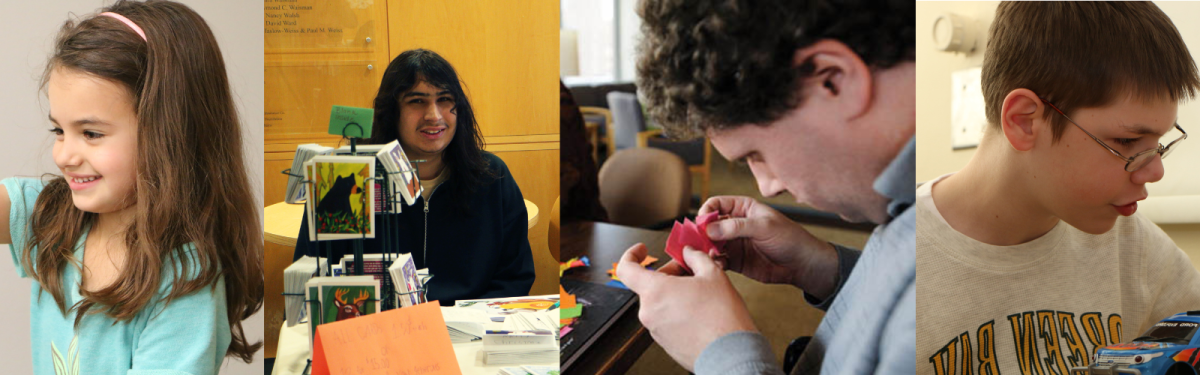
CDC reports rising autism rates with Wisconsin notably higher than the national average
The prevalence of autism spectrum disorder among 8-year-old children in the U.S. has increased to 1 in 31 in 2022, up from 1 in 36 in 2020, according to a recently published…
-
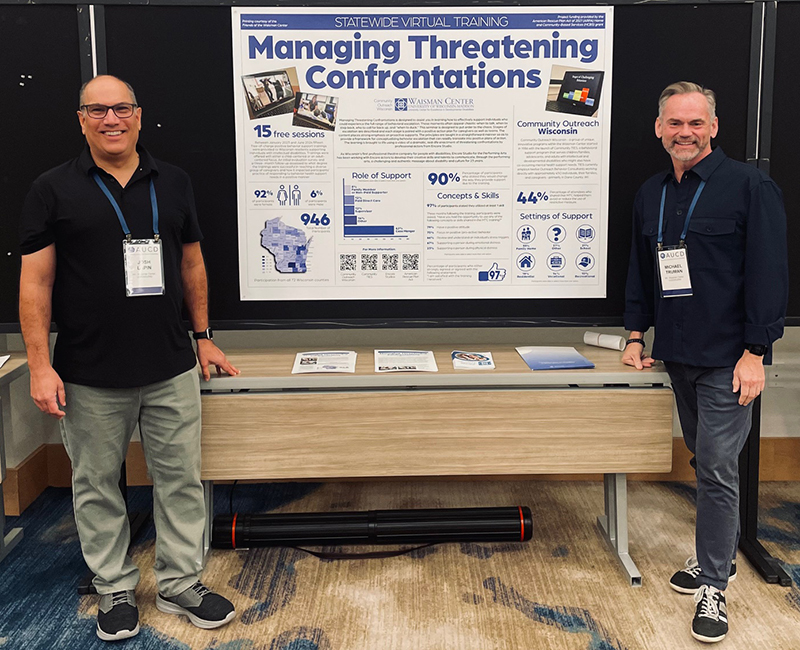
Statewide success: Managing threatening confrontations training enhances disability support for thousands
It focuses on teaching proactive and positive strategies for supporting individuals with disabilities through a broad range of behaviors and escalation levels.
-
Change ahead: Creating a road map to help families navigate the transition to adulthood for individuals with an intellectual and developmental disability
The road to adulthood can be rough terrain. It consists of uncharted territory and many changes.
-
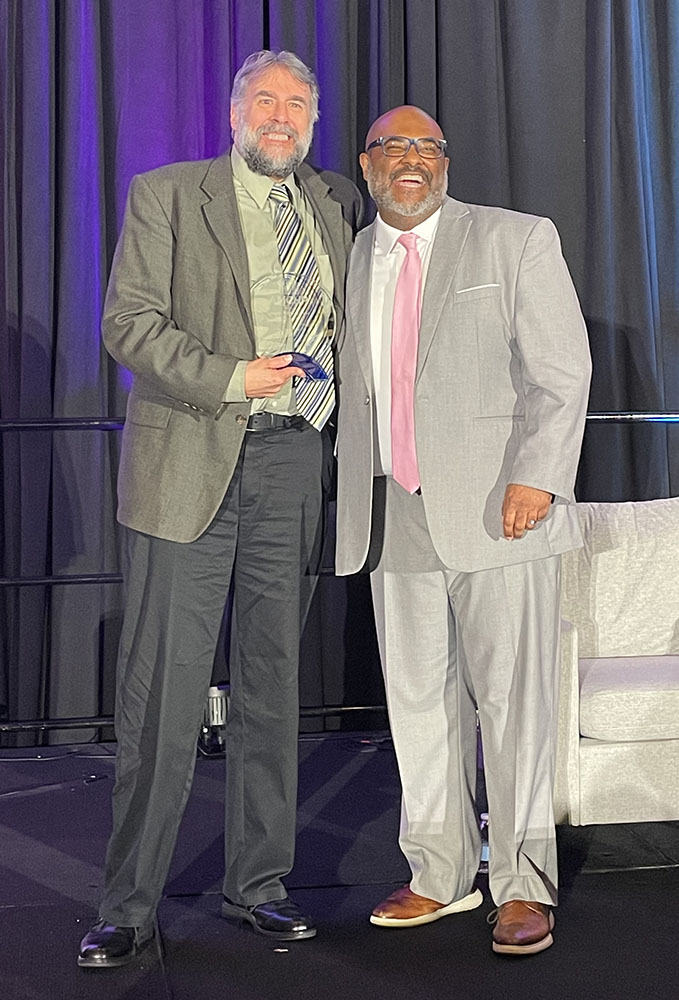
Tim Markle receives 2025 Merle McPherson Family Leadership Award for tireless advocacy
Tim Markle, MA/CS, outreach manager of the Waisman Center’s Children’s Resource Center – South (CRC) and director of the Youth Health Transition Initiative (YHTI), recently received the 2025 Merle McPherson Family Leadership…
-

New insights into language development: The role of joint attention in kids with Down syndrome and autism
Attention is a key component of learning. Think of how hard it is to learn someone’s name if all you can think about is the eyelash on their cheek. The same can…
-

Decisiones de crianza que valen la pena considerar según la ciencia del desarrollo
Este artículo es un resumen de un ensayo escrito por Seth Pollak, PhD, y Megan Gunnar, PhD, para la revista Daedelus. Puede ser difícil – y abrumador – tomar ciertas decisiones en…
-
Caregiving decisions worth dwelling on according to developmental science
A common – and actually important – question caregivers ask is when is the right time to introduce children to a specific experience – foods, activities, languages, motor skills, germs, and more.
-
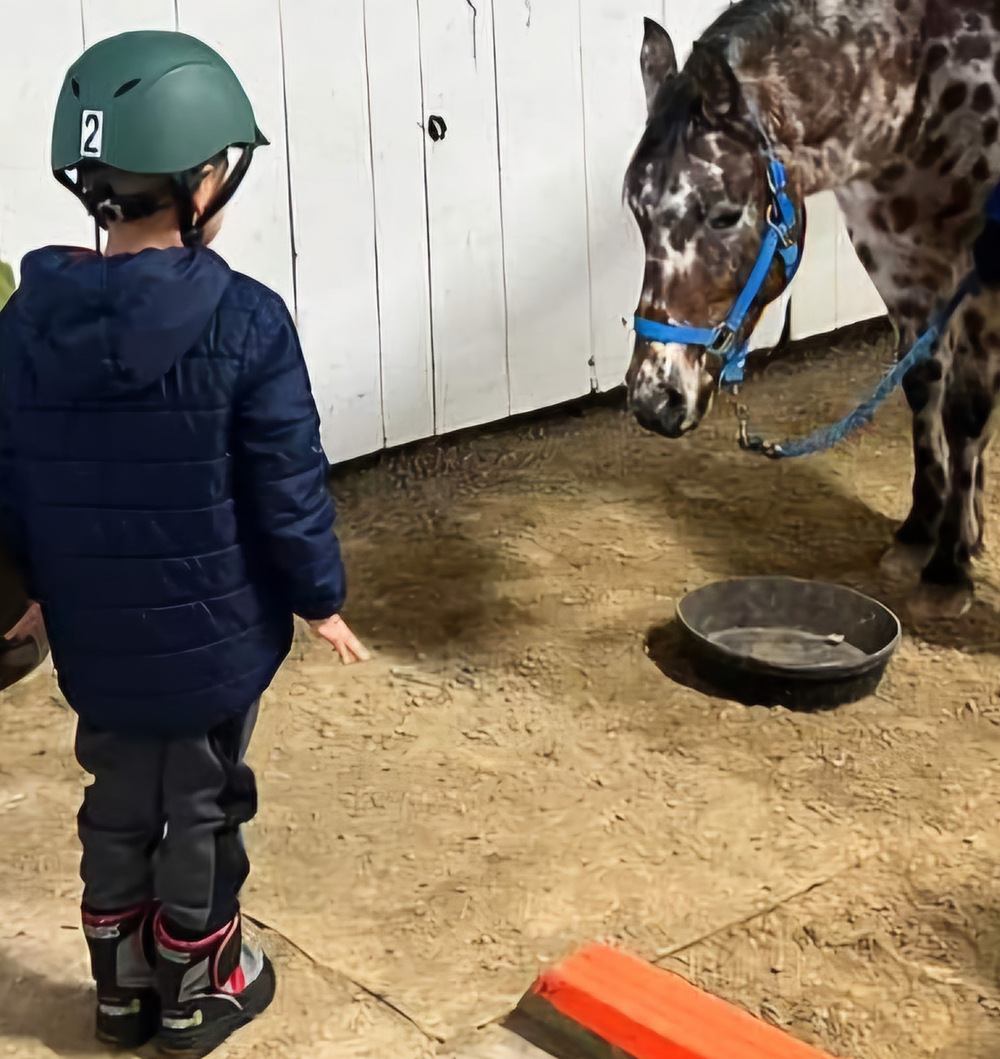
A therapeutic trot: How horses can help individuals with intellectual and developmental disabilities
“In the wild, horses’ hearts sync up. That’s how in the herd, if one notices a mountain lion, a horse a mile away notices it too, and they all start running together.…
-
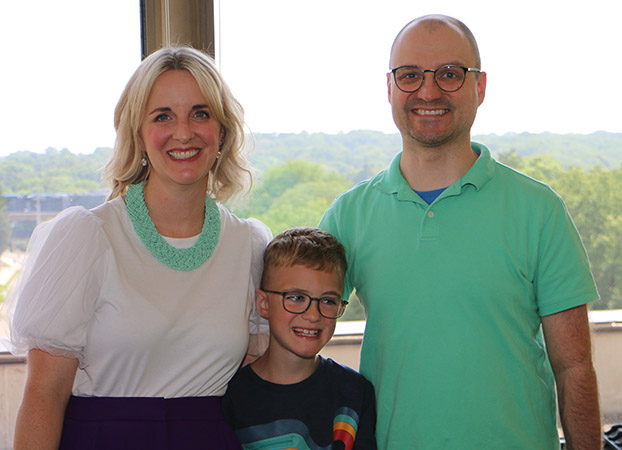
Advising research through the lens of lived experience: How individuals with disabilities and their families are shaping research
NOTE: Each individual interviewed for this story stated their preference between person-first or identity-first language. The language used reflects the preference of each person. Researchers interviewed use identity-first language in alignment with…
-
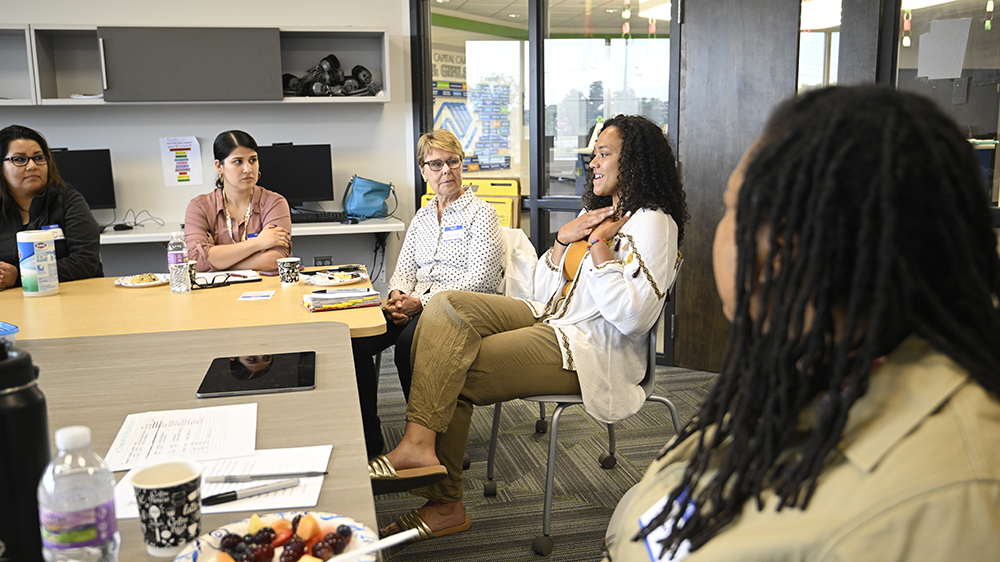
Planning ahead: The Wisconsin Integrated Transition Planning Project facilitates access to resources for youth with intellectual and developmental disabilities to plan for adulthood
A big part about turning 18 is planning ahead and setting yourself up for success in adulthood. Whether that be what to study, where to go to college, or deciding to start…
-
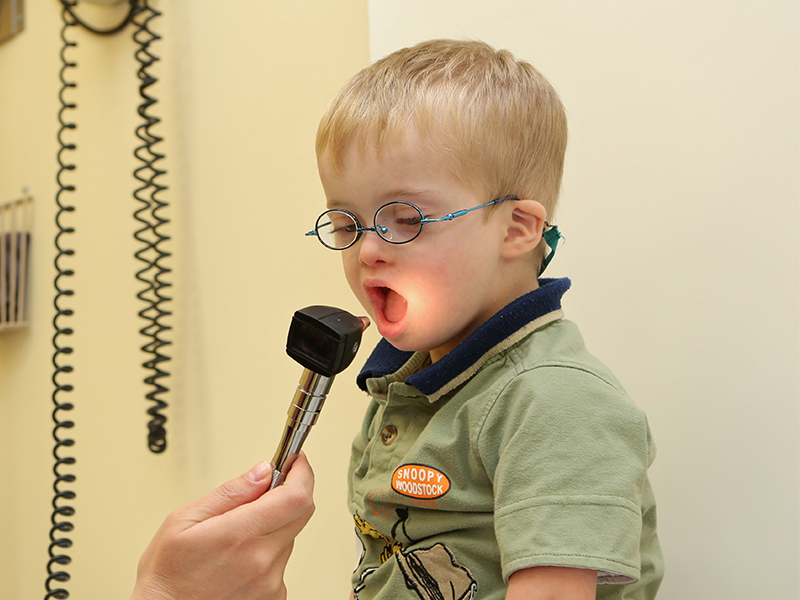
Waisman Center IDDRC funds three pilot projects on novel Down syndrome research
Three Waisman Center investigators and affiliates were awarded an internal grant to support Down syndrome research in its early stages. The funds were made possible through the Ann Dewey Down Syndrome Catalyst…
-

Early feeding challenges predict later feeding challenge’s type and severity in autistic children
Feeding challenges seen in an autistic child’s first few years can help predict the type and severity of feeding challenges the child may experience later on.
-

How physical environment shapes language learning in toddlers
The environment in which toddlers learn language may have a greater impact on word learning than previously understood.
-
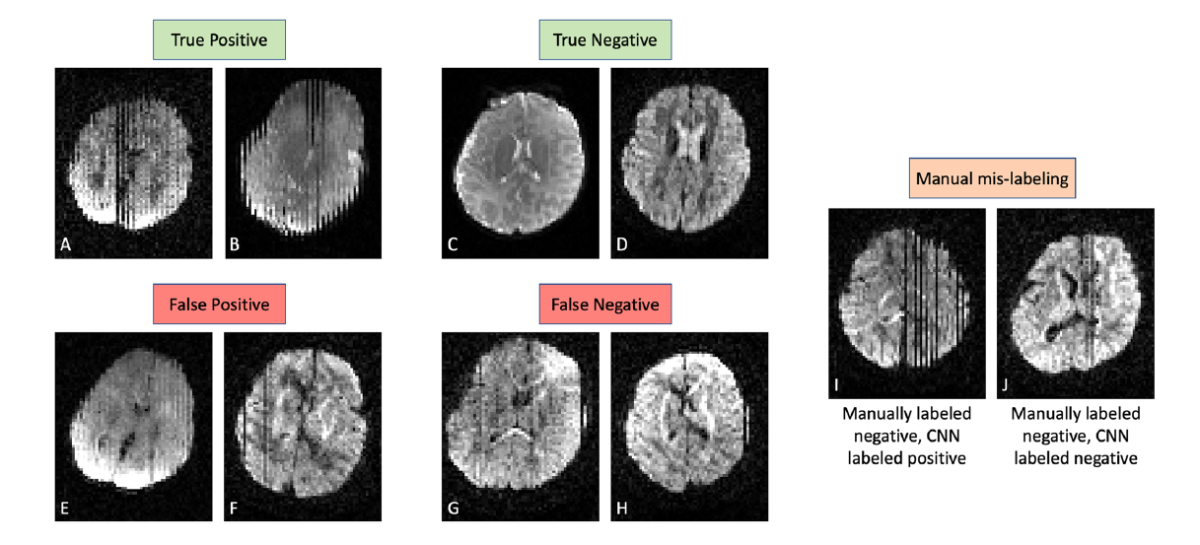
Developing a neural network to overcome the biggest enemy of MRI scans: movement
Movement is the arch nemesis of MRI (magnetic resonance imaging) scans.
-
Artwork by people with developmental disabilities shines in airport exhibit
If there is evidence that each of us, in our mind’s eye, has a unique and valuable take on the world, it hangs on walls of UW–Madison’s Waisman Center.