
Neurodevelopmental Disabilities News
-
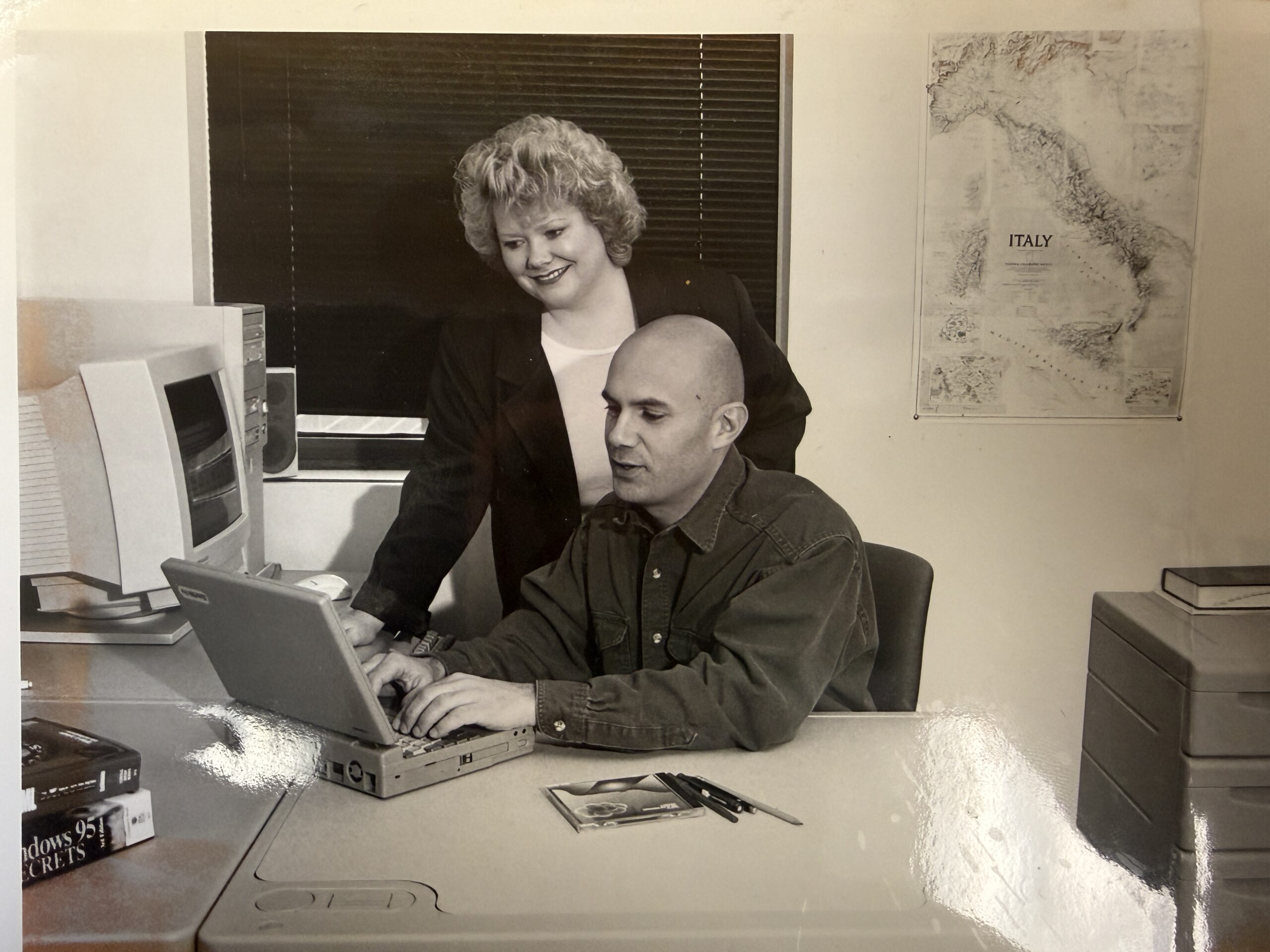
Building the Waisman Center’s window to the world: Website manager Linda Rowley retires after more than 30 years of keeping the center online
Rowley, who managed the Waisman Center website for 30 years, retired this July, but not before ensuring the website was set up for its most recent update.
-
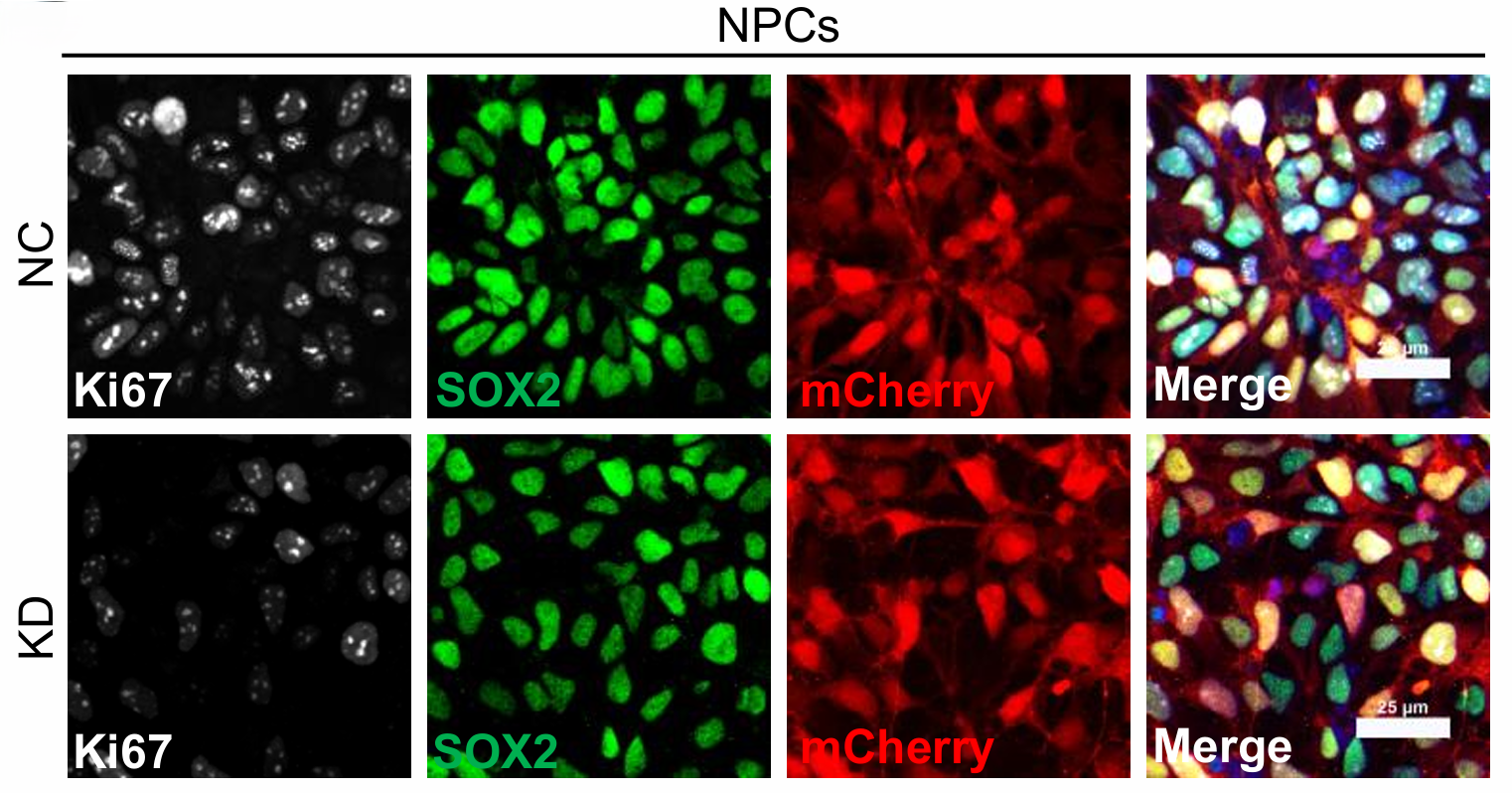
RNA-binding protein identified as key regulator of brain development
A new Waisman Center, University of Wisconsin–Madison study has identified a critical regulator of this early process of cell fate called FXR1, a protein that binds RNA to regulate the abundance of…
-
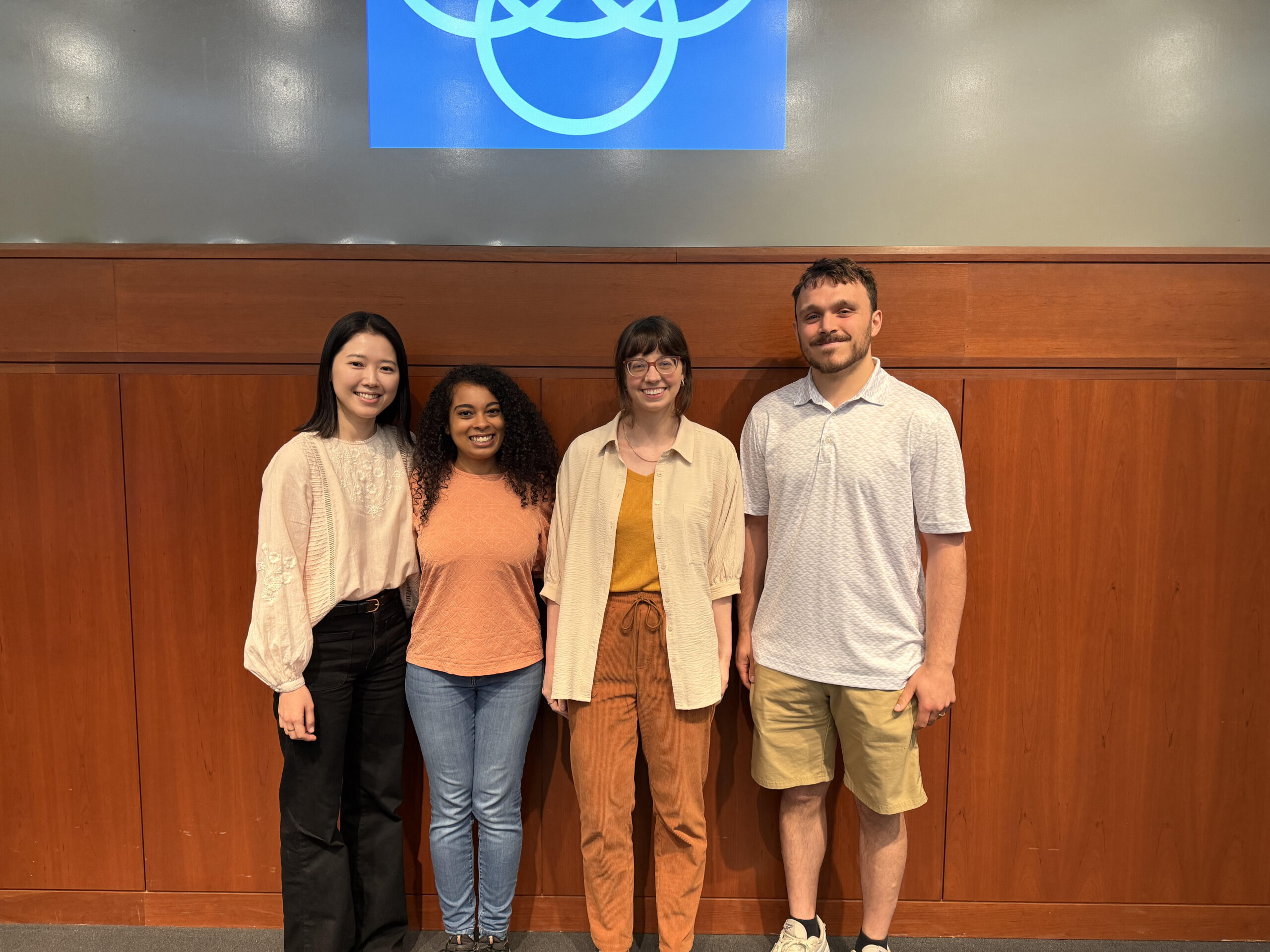
A springboard for scientific independence: Inside Waisman’s T32 Postdoctoral Training Program
At a Glance: Postdoctoral fellowships occupy an unusual space between being a graduate student and becoming an independent scholar. The postdoc stage is marked by a focus on refining research skills, expanding…
-
New book shares the experiences of individuals with disabilities through the COVID-19 pandemic using photos
The Pandemic Cancelled It, and They Never Brought It Back takes readers into the daily lives of individuals with intellectual and developmental disabilities during the COVID‑19 pandemic, using their own photographs and…
-
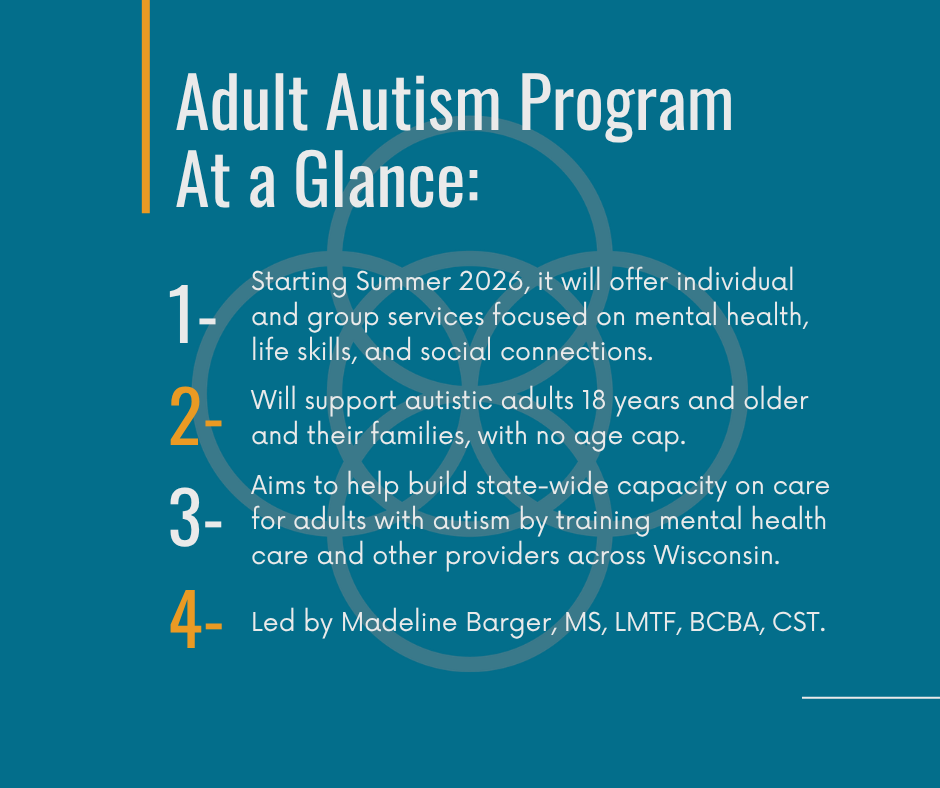
Waisman Center to pilot Adult Autism Program this summer
This summer, the Waisman Center’s University Center for Excellence in Developmental Disabilities (UCEDD) will launch the Adult Autism Program, with services focused on mental health, life skills, and social connections for supporting…
-
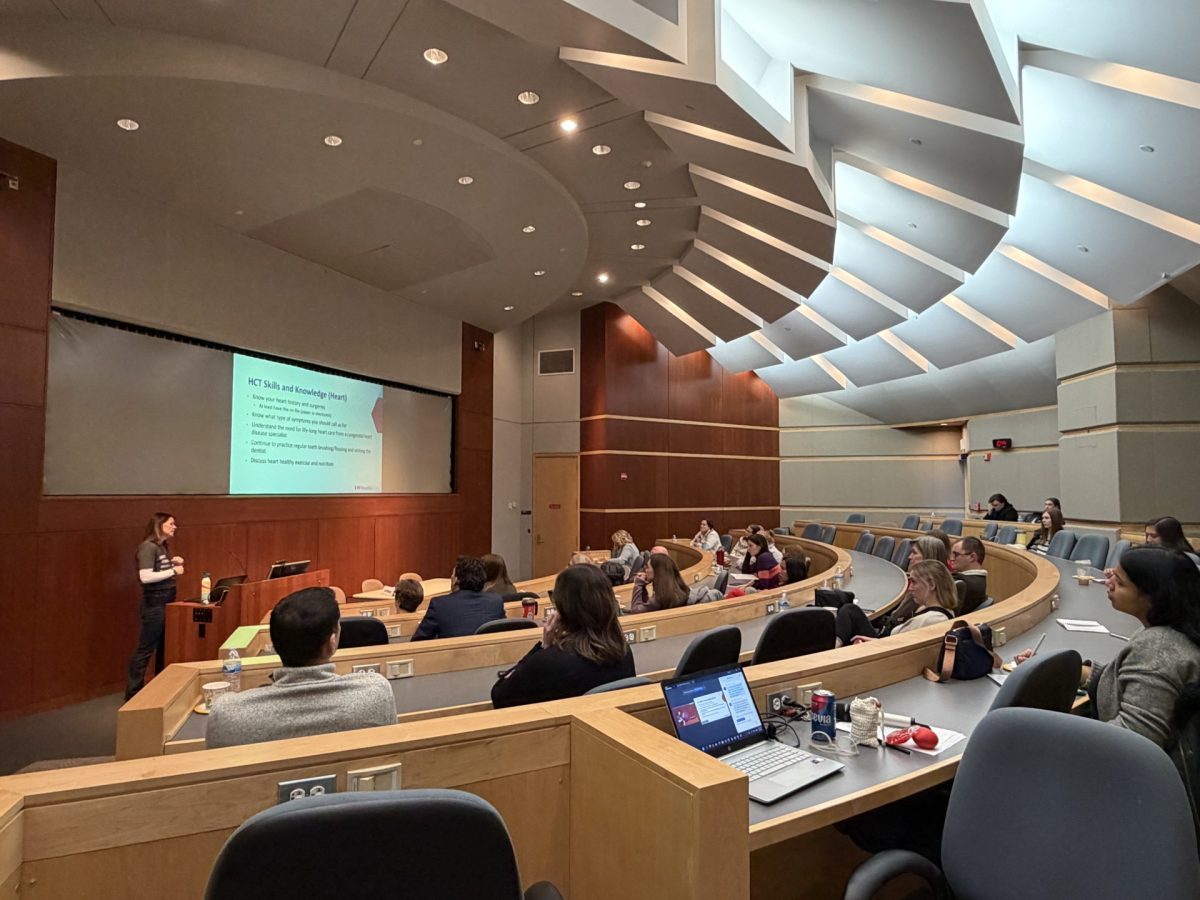
The Waisman Center hosts a successful first Day with the Experts on Congenital Heart Defects
On the first day of Congenital Heart Defects (CHD) Awareness Week, Waisman Center and UW Health Kids experts gathered to share their knowledge on the neurodevelopmental outcomes of congenital heart surgery with…
-
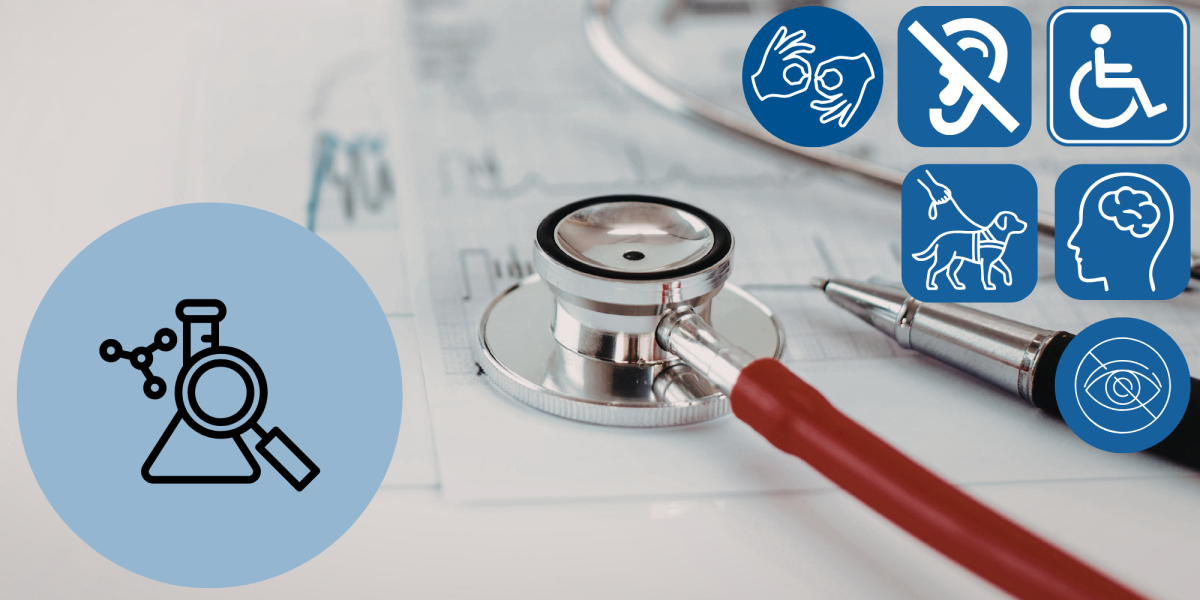
Understanding why individuals with disabilities continue to be left out of health research
Individuals with disabilities face significant health disparities, yet remain underrepresented in health research. There is substantial evidence that individuals with intellectual and developmental disabilities are systematically excluded from health research, even when…
-
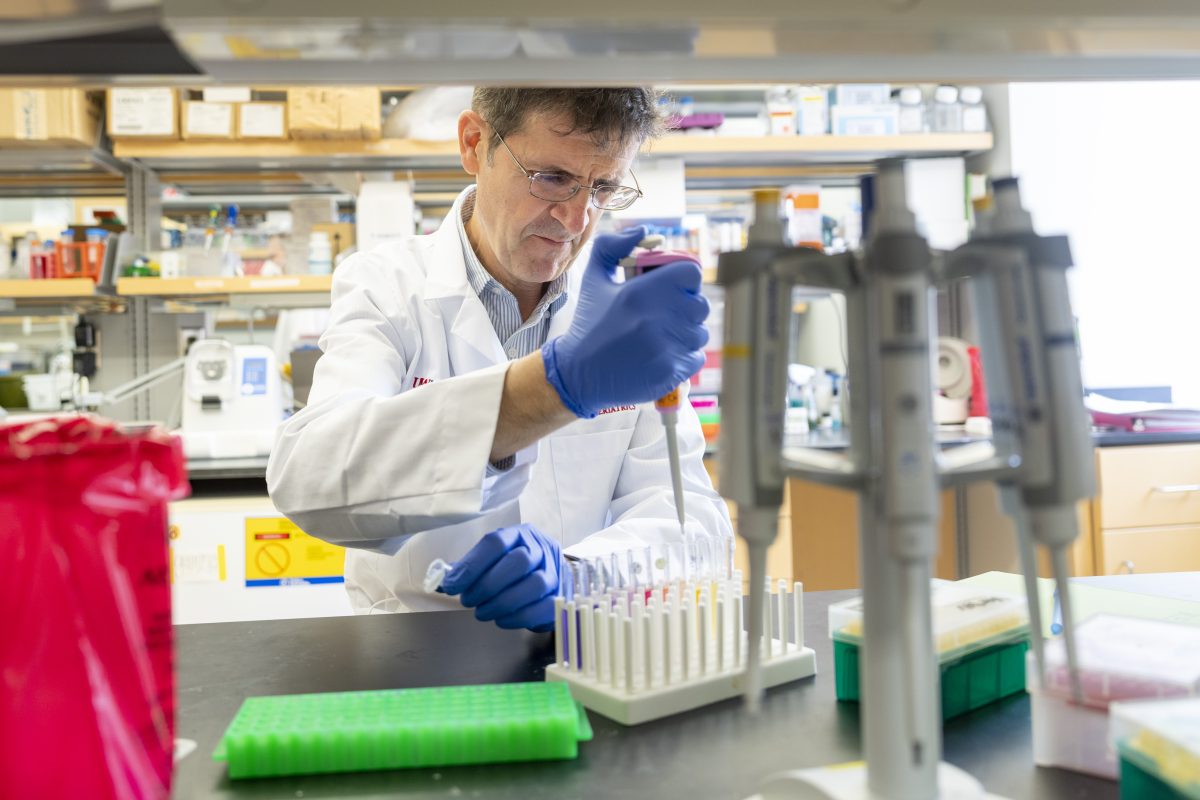
New research reinforces the link between a cellular quality control system and rare forms of autism
Just like a car factory relies on inspectors to ensure that every vehicle is built correctly, cells depend on internal quality control systems to keep proteins functioning as they should. New research…
-
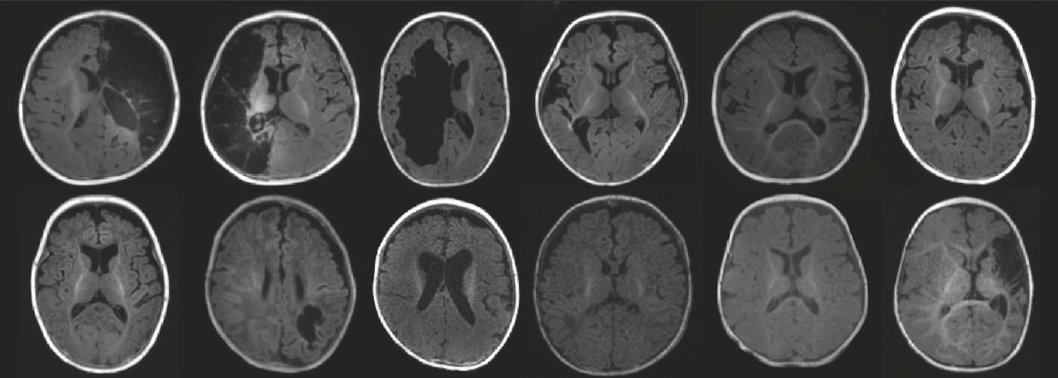
Atypical infant movements tied to cerebral palsy may signal differences in brain connectivity
Brain connectivity differences linked to atypical infant movements may aid the early prediction of cerebral palsy development after a perinatal brain injury, a new Waisman Center study shows.
-

Child’s rare condition diagnosed after 14 years of searching
Imagine how it would feel to have a child born seemingly healthy, but then he struggles to grow, walk, learn or talk – and no one can figure out why.
-

Let’s get moving: physical activity can be challenging but highly beneficial for individuals with developmental disabilities, a few modifications may help
Español By Charlene N. Rivera-Bonet | Waisman Science Writer The researchers interviewed for this story use identity-first language in alignment with the preferences of many of those in the autistic community. This story…
-
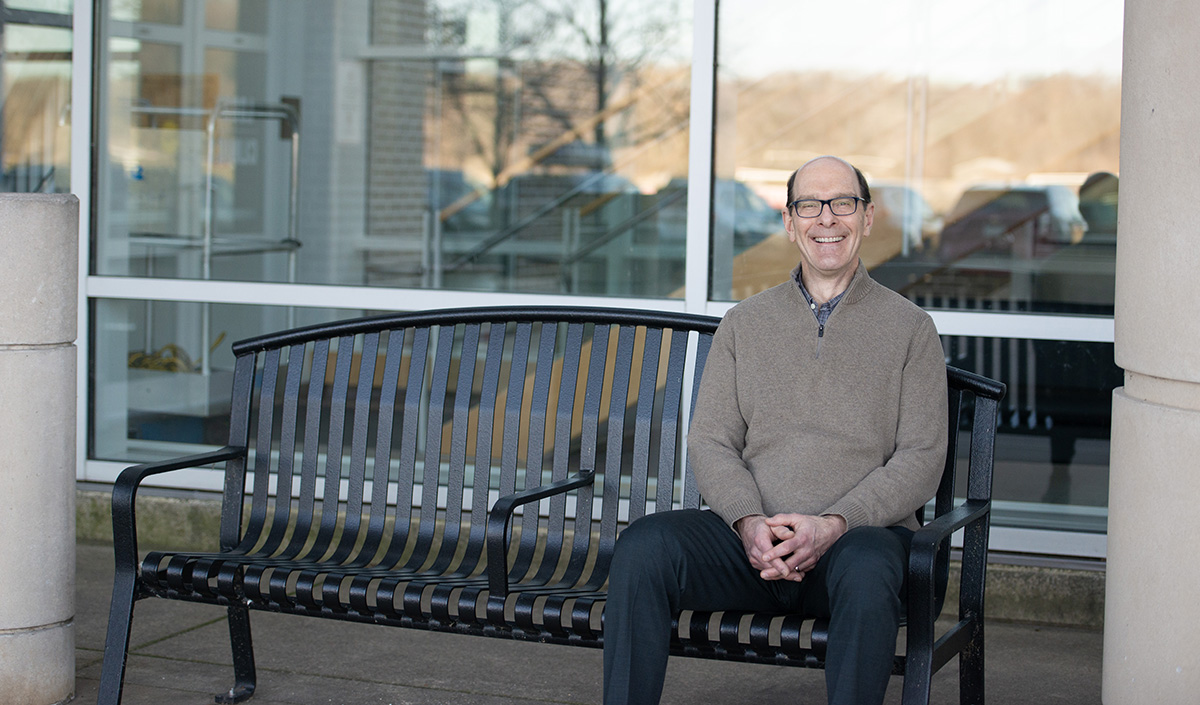
Physician, educator, mentor: After three decades at Waisman, Wargowski Retires
Wargowski, after three decades of providing exceptional patient care to hundreds of patients in the Medical Genetics Clinics at Waisman, is retiring at the end of June.
-
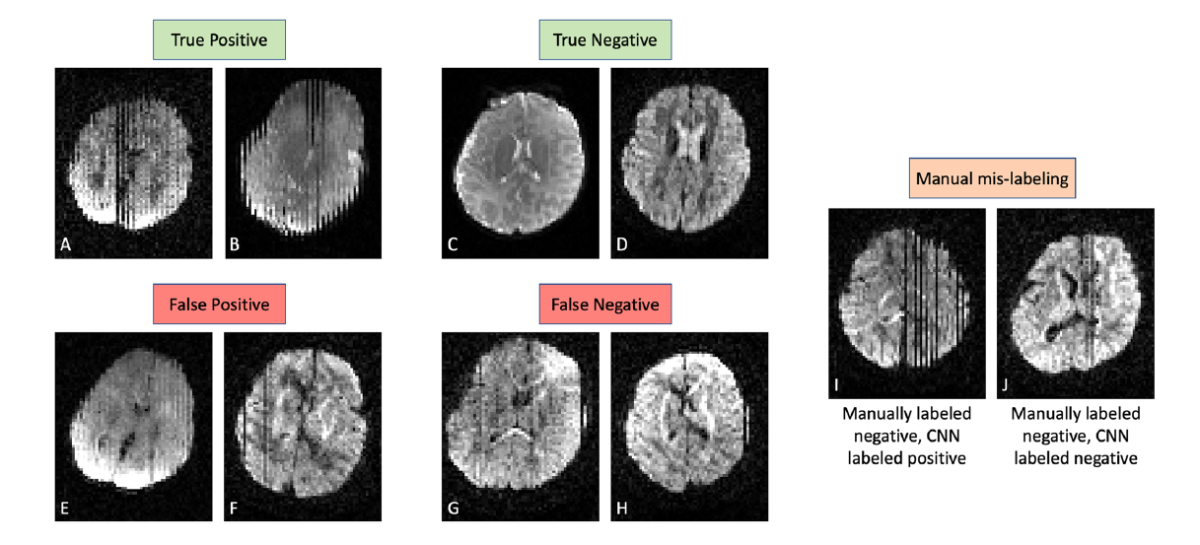
Developing a neural network to overcome the biggest enemy of MRI scans: movement
Movement is the arch nemesis of MRI (magnetic resonance imaging) scans.
-
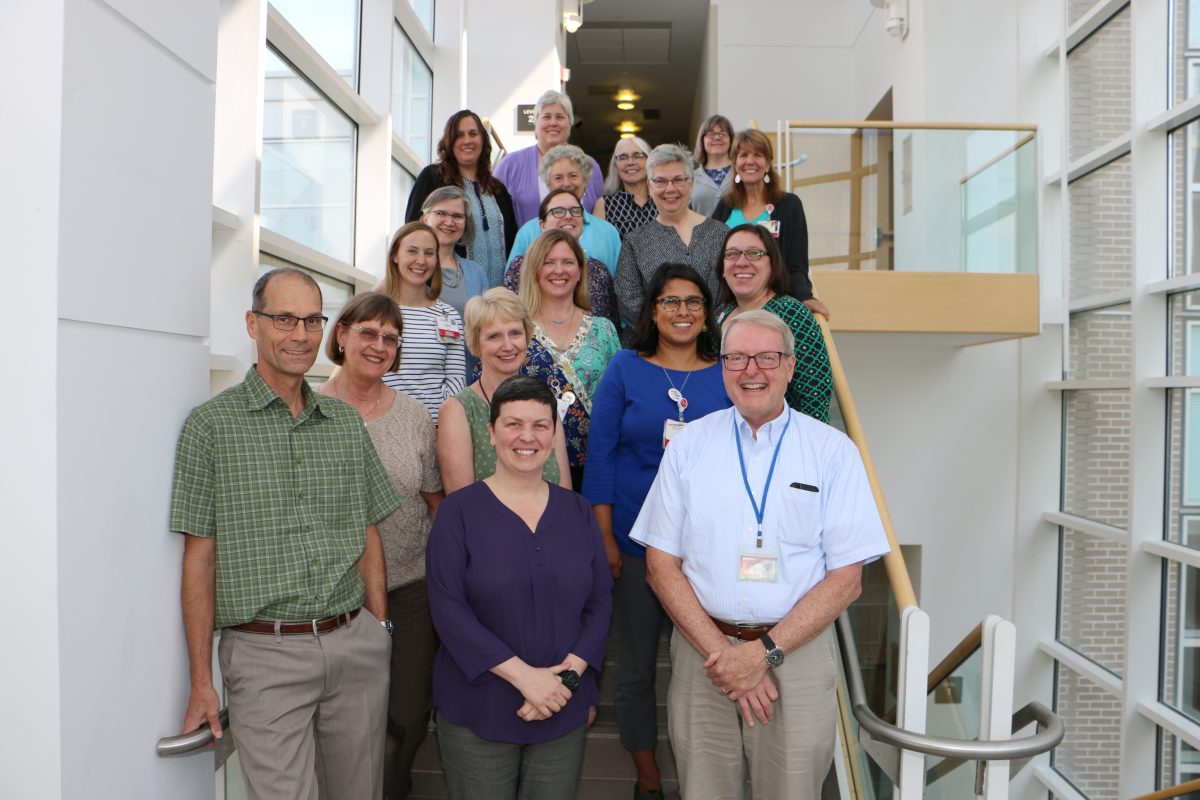
Branching out beyond where it’s planted: The story of the Waisman Center’s University Center for Excellence in Developmental Disabilities, Part 2
Former UCEDD director Bill MacLean with current director Leann DaWalt.
-
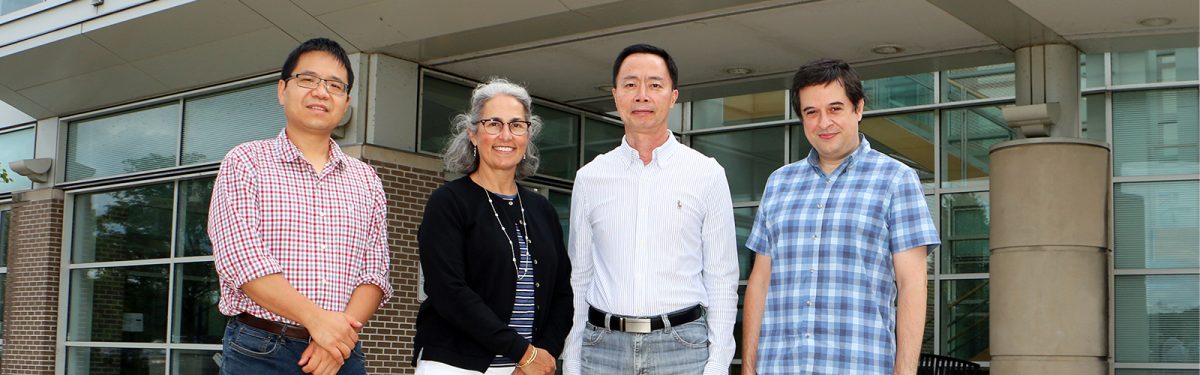
UW effort to map Down syndrome brain raises prospect of treatment for disorder
In a lab near UW Hospital, Megan Jandy grows stem cells from people with Down syndrome — 10 batches of cells, most in three-dimensional clusters, each batch featuring one group with the extra…
-
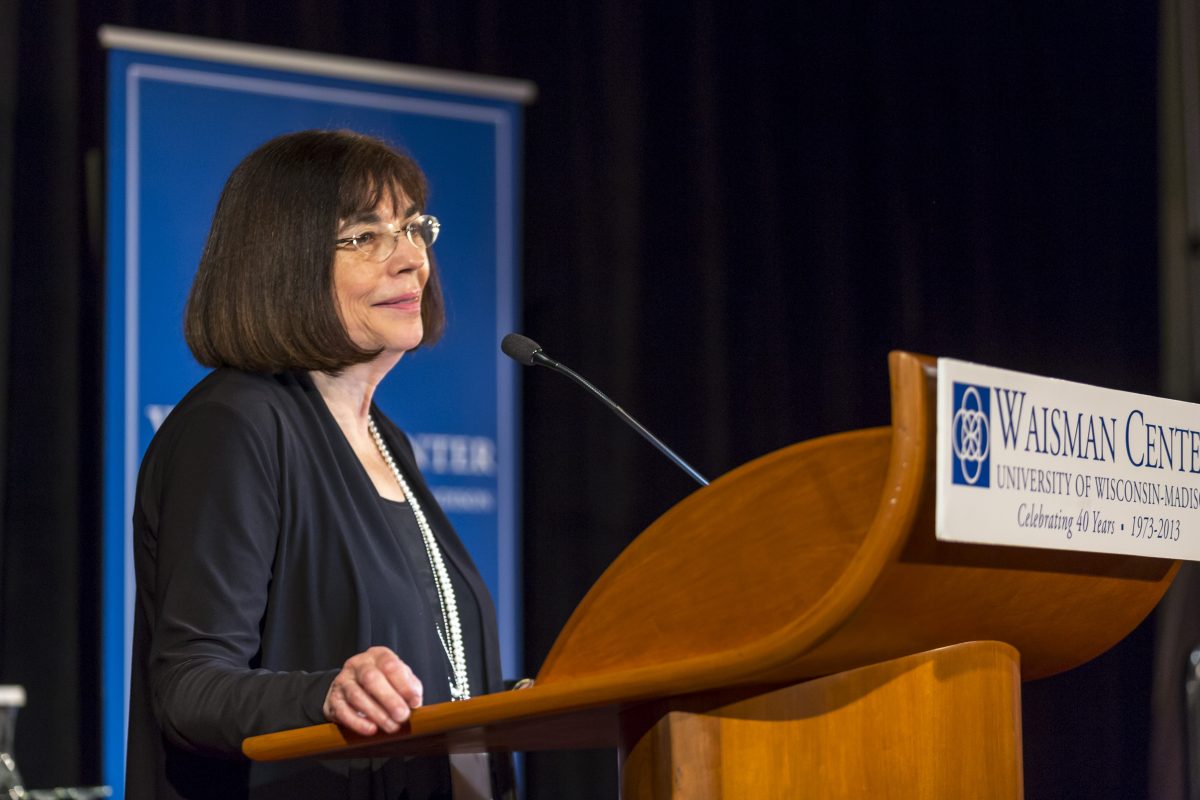
Building bridges between disciplines: Marsha Mailick’s interdisciplinary research and leadership at the Waisman Center
Multiple angles of vision all focused on a common question is what attracted Marsha Mailick, PhD, emeritus vice chancellor for research and graduate education at the University of Wisconsin–Madison, to the Waisman…
-
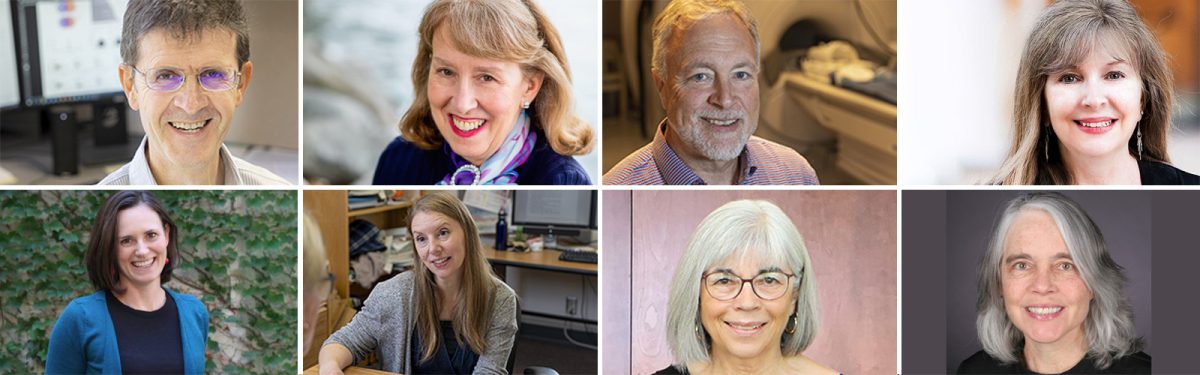
Understanding autism from the minute to the masses: Autism research at the Waisman Center
Autism spectrum disorder (ASD) is an intricate and complicated diagnosis. The spectrum of presentations and severity is as expansive as the theorized causes. Autism’s complexity and breadth of impacts on a person’s…
-
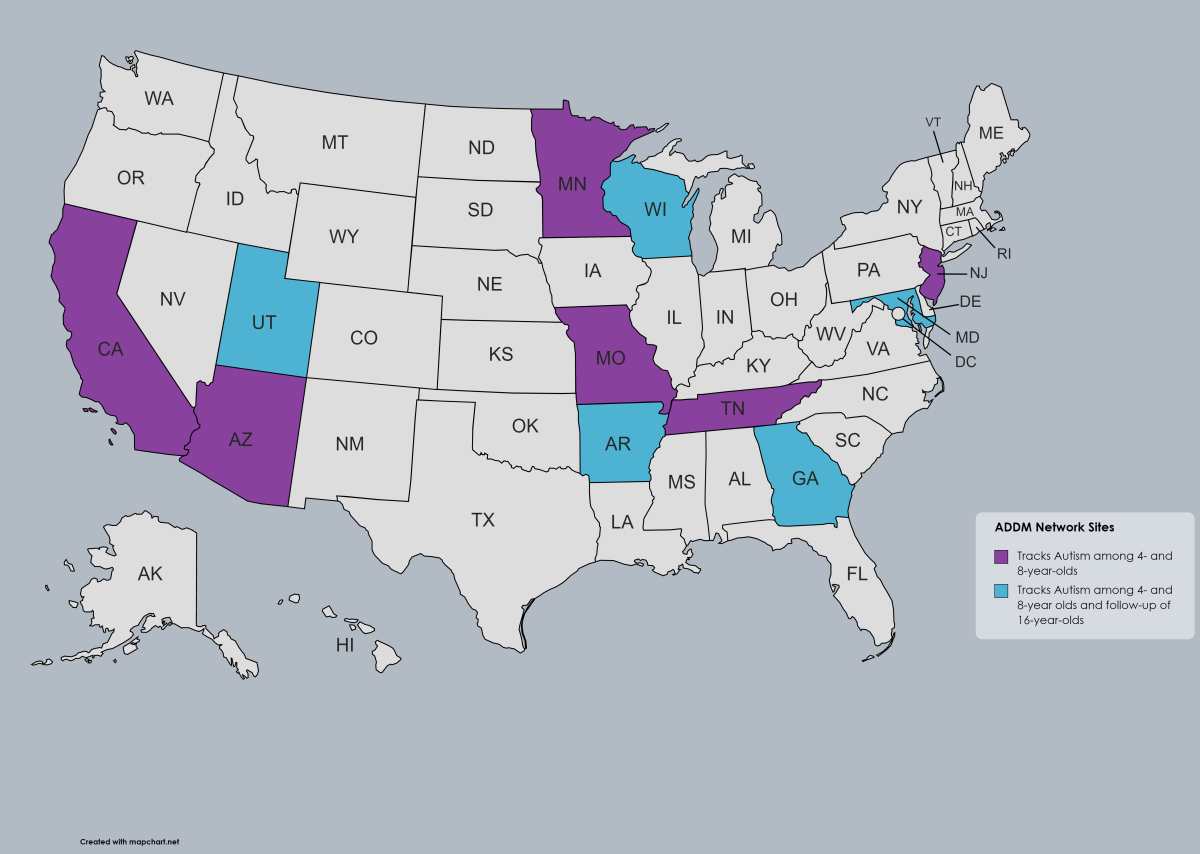
Let’s talk numbers: Epidemiology of intellectual and developmental disabilities research at the Waisman Center
In 2001, newborn screening of Hmong babies had an alarming number of positive results for an enzyme deficiency called MBADD.
-
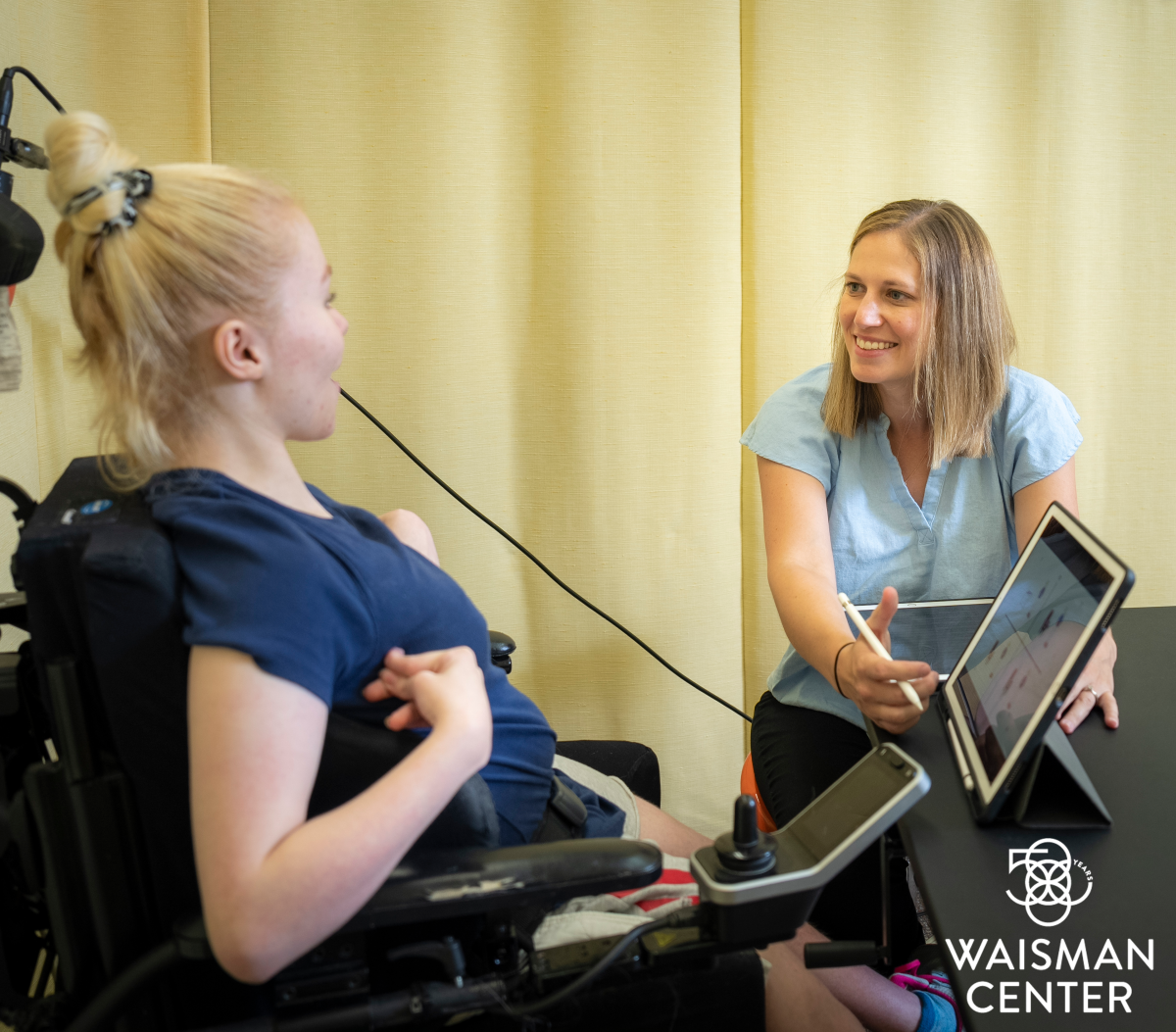
The Waisman Center’s comprehensive care and strides toward early interventions for children with cerebral palsy: Clinics and outreach
The clinics and the research laboratories of the Waisman Center intertwine to care for individuals with cerebral palsy. The mission is one: to improve the outcomes for individuals with cerebral palsy.
-
Alexander disease: A lifetime’s work in the hope of saving lives
Messing wanted to study if the overexpression of GFAP resulted in a certain reactive response in the brain.
-
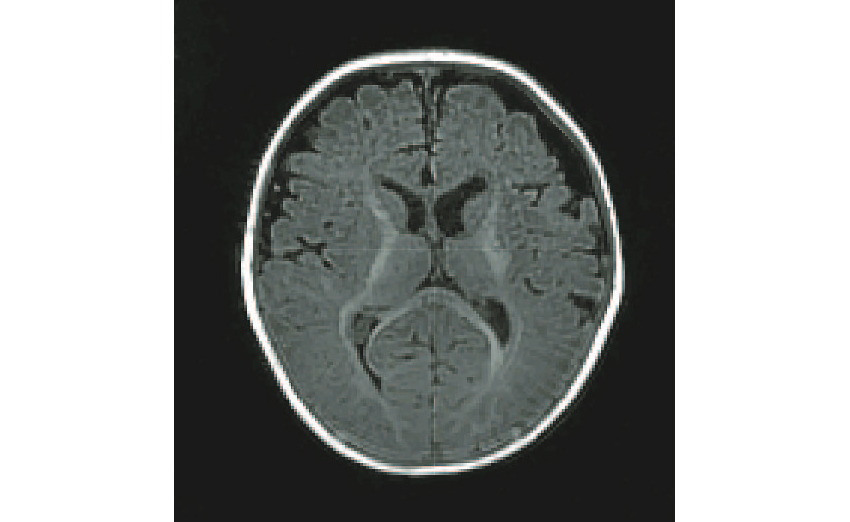
Understanding recovery and development in children
Early interventions in children with cerebral palsy can be pivotal to improving motor and cognitive outcomes. The focus of this study is to longitudinally assess, over the first two years of life,…
-
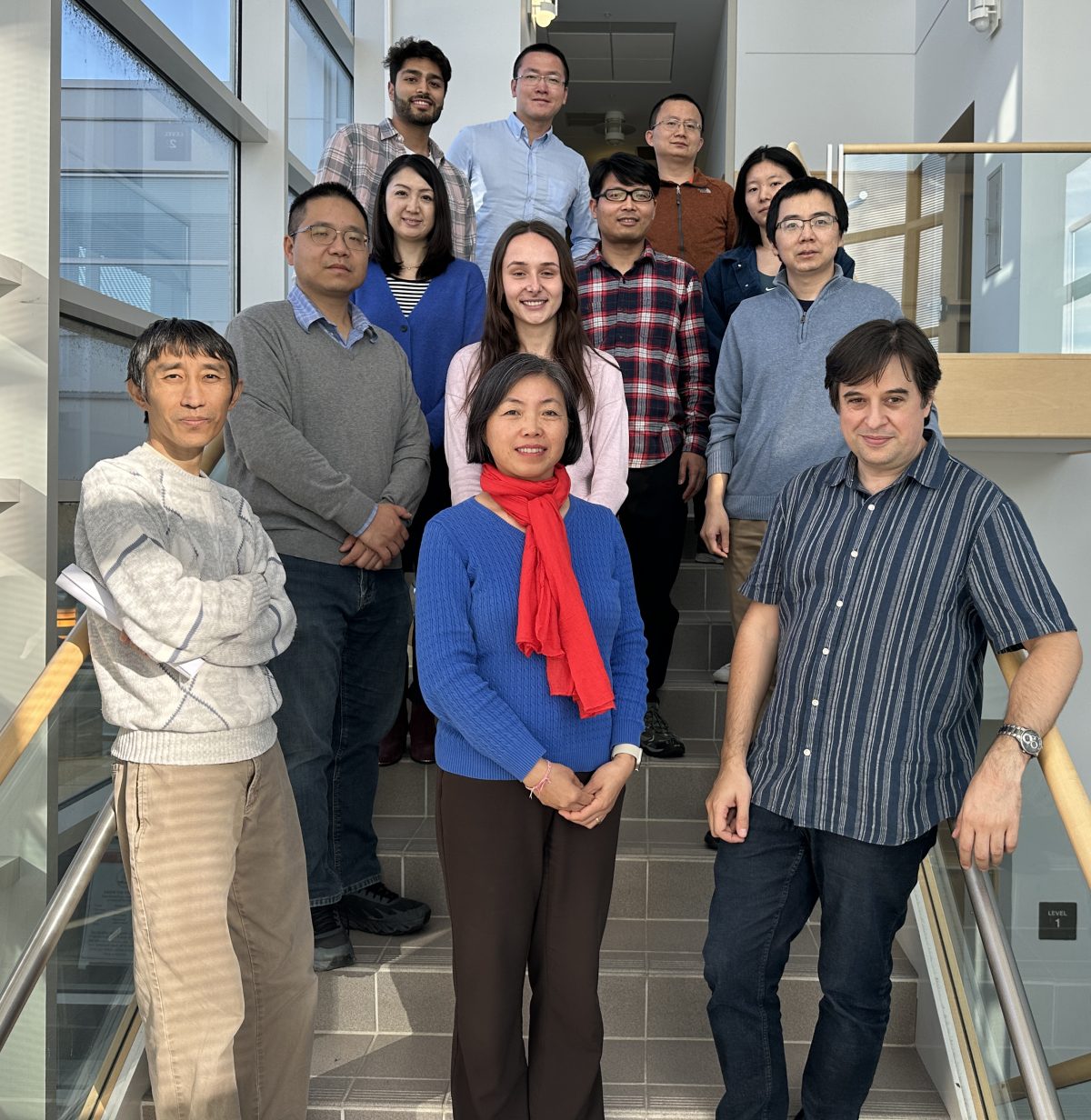
Four Waisman investigators receive prestigious Simons Foundation award to study autism
Four Waisman Center investigators will dig deeper into the function of genes implicated in autism and brain development with support from the prestigious Simons Foundation 2022 Pilot Award.
-
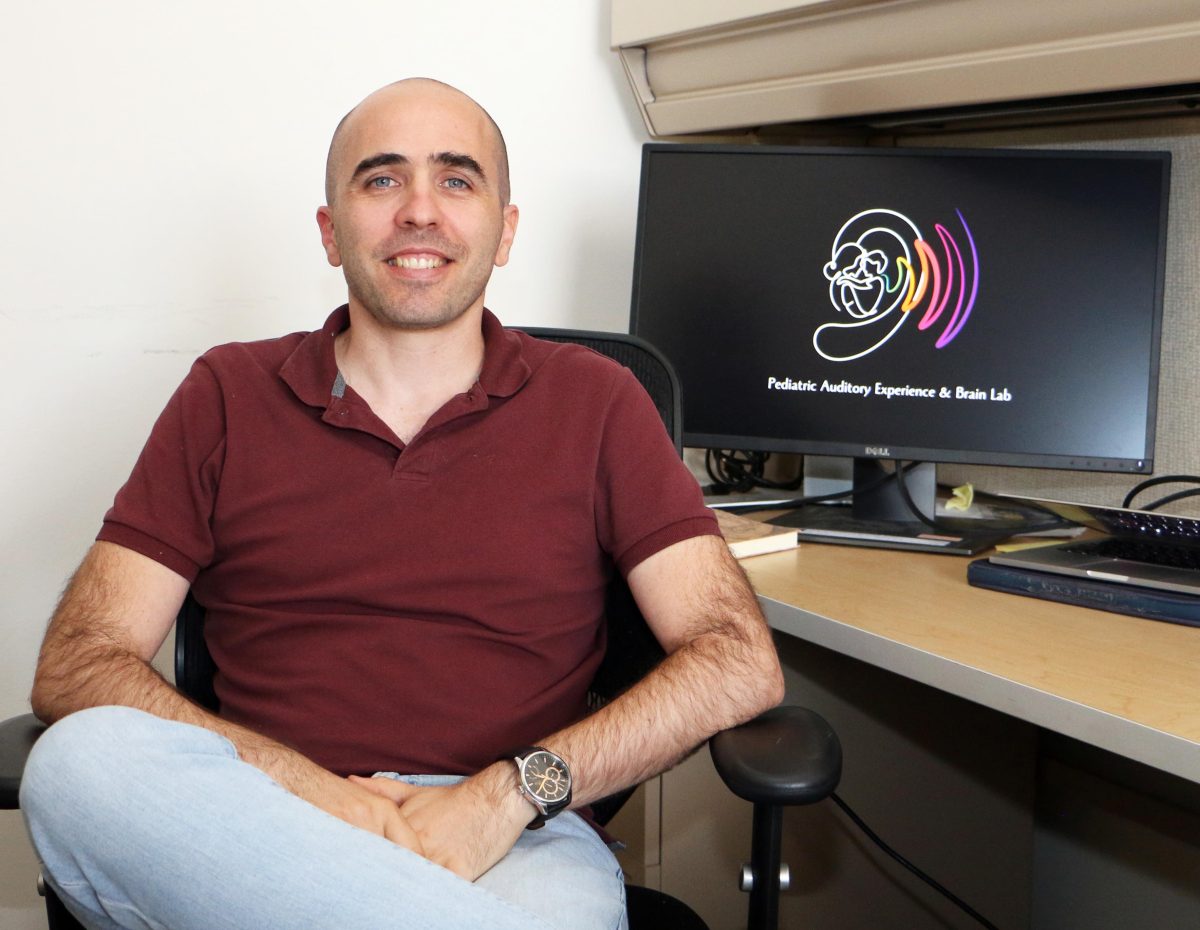
Waisman Center welcomes new faculty to study impacts of early auditory experiences and speech processing in kids
Carlos Benítez-Barrera, PhD, who leads the Pediatric Auditory Experience and Brain lab, is interested in the impact of early auditory experiences, language development, and speech perception in kids and brings new technical…
-
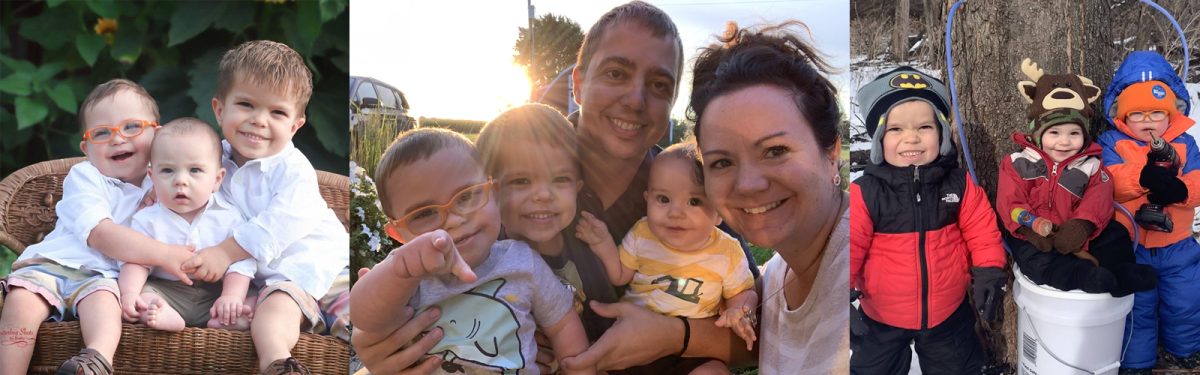
The Bone Dysplasia Clinic’s many decades of helping families
The start of the Waisman Center’s Bone Dysplasia Clinic was a case of serendipity. It was 1980 and Richard Pauli, MD, a pediatric geneticist, had just arrived at UW–Madison. Over the course…
-
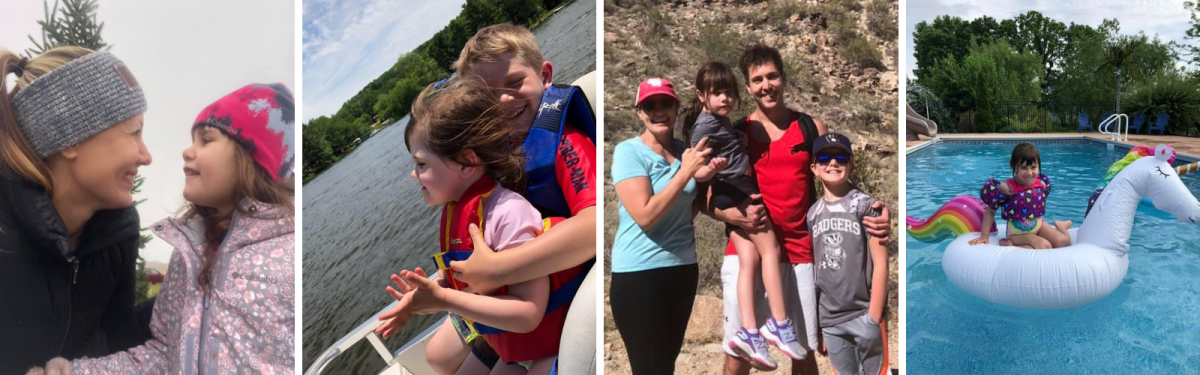
A life full of love and magic: Eva S. Borenitsch
Eva Susan Borenitsch was magical. She knew no limits. “We called her our little unicorn,” says her mom Emily Borenitsch.
-
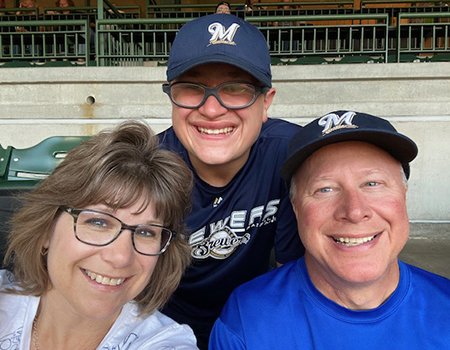
Celebrating the Manlick family’s ten years of research participation
James Manlick is going to homecoming this year and he simply can’t contain his excitement. A huge smile lights up his face as he talks about the dance.
-
UW–Madison’s Ausderau is awarded COVID-19 Response grant from Wisconsin Partnership Program
UW–Madison’s Karla Ausderau, an assistant professor in the School of Education’s Department of Kinesiology, has been awarded a COVID-19 Response Research and Education Award from the Wisconsin Partnership Program (WPP) at the…
-
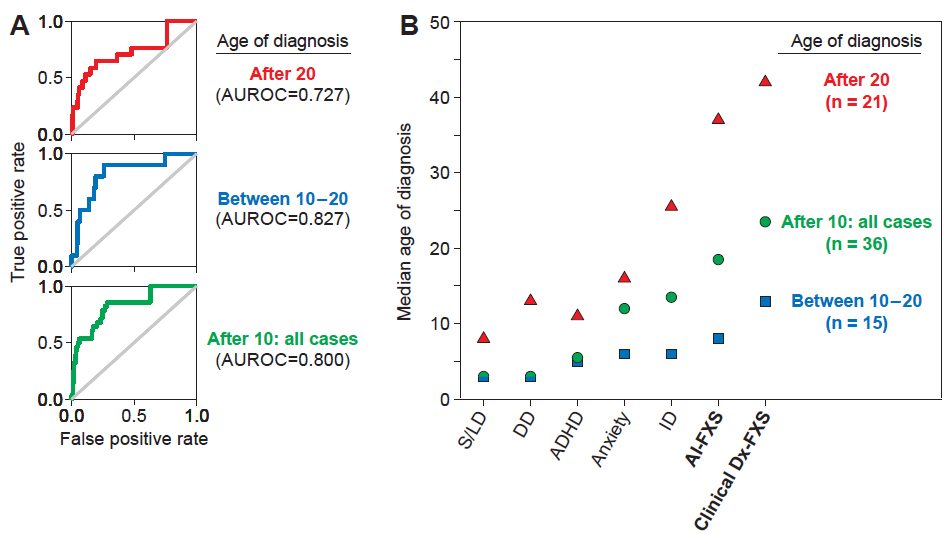
Artificial intelligence can accelerate clinical diagnosis of fragile X syndrome
An analysis of electronic health records for 1.7 million Wisconsin patients revealed a variety of health problems newly associated with fragile X syndrome.
-
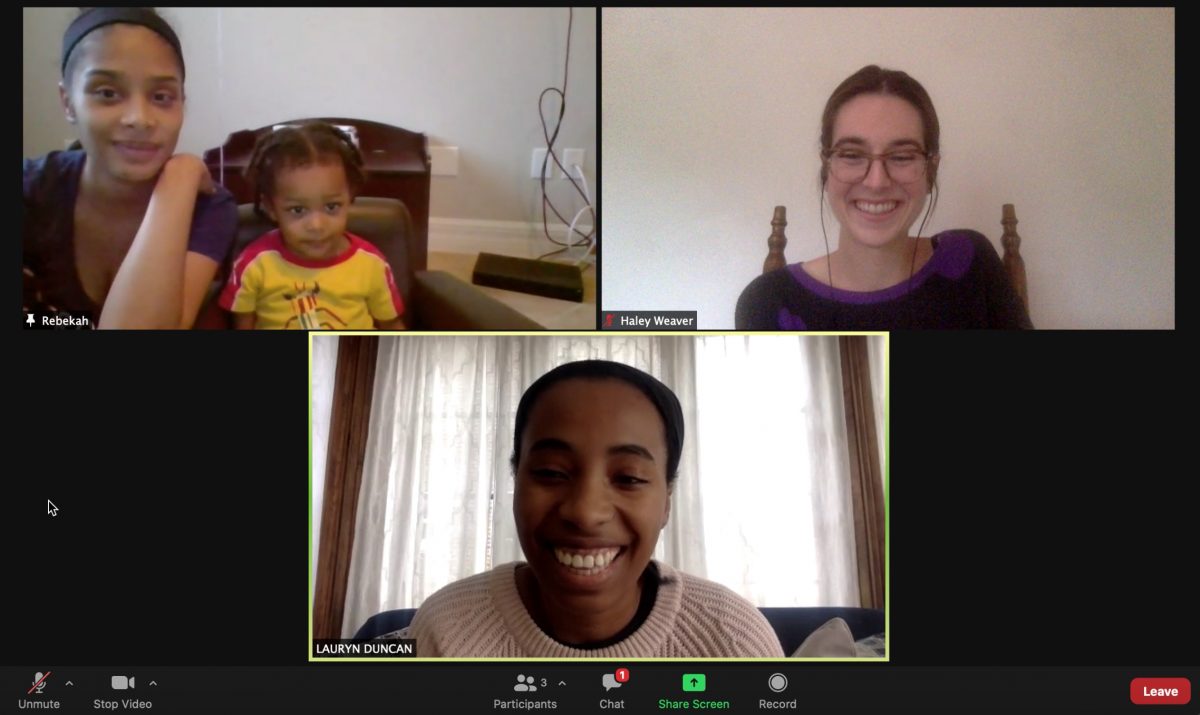
When research goes remote: adapting studies in the face of COVID-19
By Peter Jurich, Waisman Science Writer With every challenge comes new opportunities. When the COVID-19 pandemic hit the U.S. in March 2020, much of the country went on lock-down with only essential…
-
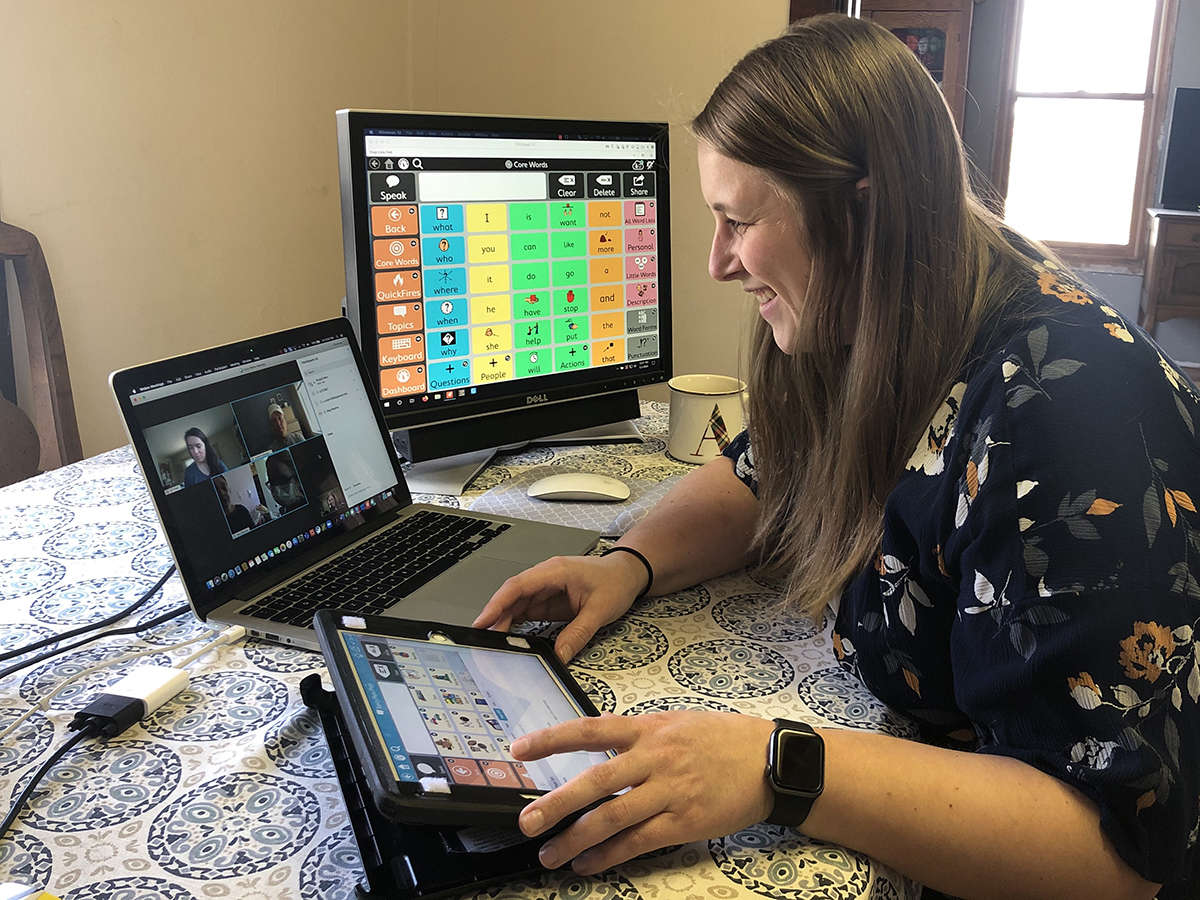
Serving during COVID-19: AAC outreach services
The Communication Development Program (CDP) is an outreach program of the Waisman Center UCEDD at University of Wisconsin, Madison. This program was developed over 30 years ago in partnership with the Dane…
-
Five language outcome measures evaluated for intellectual disabilities studies
A multi-university team of researchers found that expressive language sampling (ELS) can be useful in measuring outcomes in clinical trials targeting fragile X syndrome (FXS). According to their study, ELS, a set…
-

Expecting to learn: Language acquisition in toddlers improved by predictable situations
In an upcoming study in Current Biology, published online Aug. 16, researchers at the Arizona State University Department of Psychology and the Waisman Center report a factor that is important for language…
-

Using artificial intelligence for a big impact on neurodevelopmental research
Arezoo Movaghar earned her master’s degree in computer science and artificial intelligence. She built models based on the plentiful data found in medical records. So, when she came to UW–Madison as a…
-
Fragile X gene’s prevalence suggests broader health risk
The first U.S. population prevalence study of mutations in the gene that causes fragile X syndrome may be more common than previously believed.
-
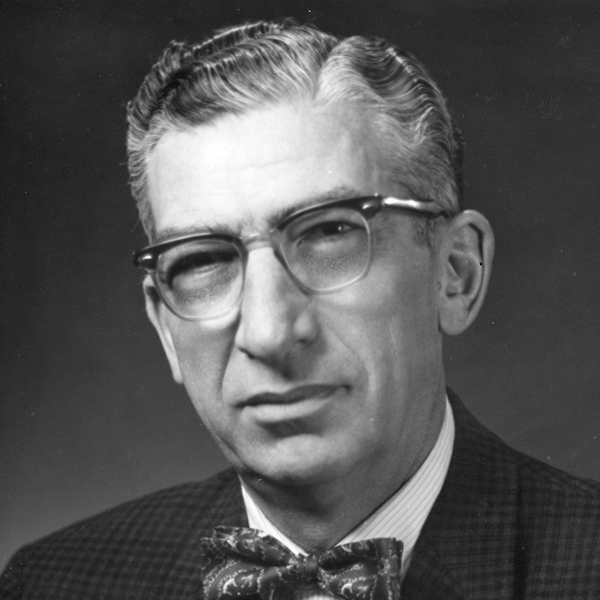
The Waisman Center: Decades later, what would Harry think?
Last fall, the Waisman Center at the University of Wisconsin–Madison bid successfully for the same National Institutes of Health core grant that the late Harry Waisman first won 45 years ago.
-
Waisman Center to participate in long-term study of children’s health
The Waisman Center will participate in the National Children’s Study, a decades-long study of the health and well-being of children.
-
Waisman Director Serves as Guest Editor on Special Journal Issue
The American Journal on Mental Retardation announced the publication of a special issue devoted to aging in individuals with developmental disabilities.
-
Baby Picked Good Time, Birthplace
Wisconsin Is In The Forefront Of Genetic Screening, So Infant’s Disorder Was Spotted And Treated. Patricia Simms, Wisconsin State Journal Reprinted by Permission Myles Tesky is an unlikely traveler on the frontier…